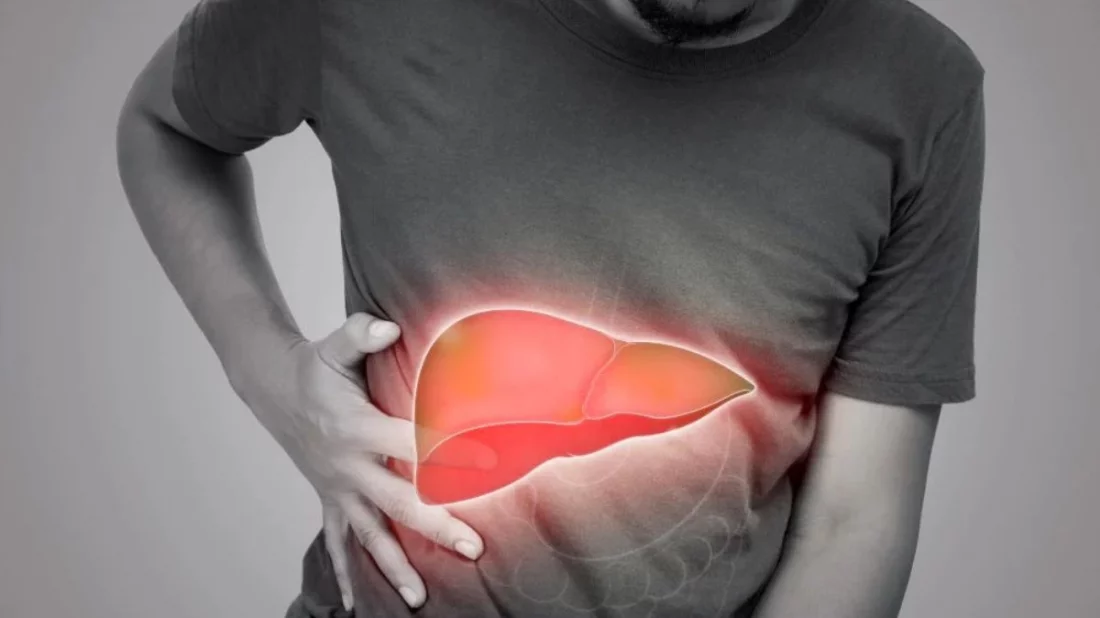
Sipping a cup of tea on waking, heading out to work without eating breakfast, or lying in bed idly scrolling social media for long stretches — these are extremely common, ordinary scenes from daily life. Though such behaviour may seem harmless on the surface, this everyday routine is quietly inviting serious trouble for one of the body’s most important organs: the liver.
The liver constantly manages a host of complex tasks — processing nutrients from food, regulating fat and carbohydrate metabolism, and clearing various medicines and alcohol from the body. But even when a serious problem develops in this organ, no clear symptoms appear at the early stage. According to health experts, however, a few very simple positive changes to one’s morning routine can help protect the liver from unwanted damage.
Regularly skipping breakfast
Driven by an intense urge to lose weight or to follow intermittent fasting rules, many people regularly skip breakfast. But keeping the stomach empty for long stretches isn’t suitable for everyone’s body. After the long overnight gap, the liver has to take on extra strain to maintain the desired blood sugar level. During this time, the liver comes under pressure as it breaks down stored glycogen to keep sugar levels balanced. Experts therefore advise that even without morning hunger, one should not stay completely unfed — light, nutritious food such as oats, boiled eggs, nuts or chia seeds is recommended instead.
Starting the day with sugary, high-fructose food
Eating excessively sugary food at the start of the day also causes serious harm to the liver. Sugary cereals, jam-spread bread, muffins or processed granola commonly found on breakfast tables contain large amounts of fructose. Research shows that excessive fructose intake directly accelerates the process of fat accumulating in the liver, which over time turns into a major risk of fatty liver disease. Many people use honey or natural sweeteners as an alternative to regular sugar, but these cannot fully protect the body from sugar’s harmful effects either.
Taking medicine and supplements on an empty stomach
The tendency to take vitamins, various food supplements or painkillers on an empty stomach right after waking, without a doctor’s advice, creates complications in the liver’s metabolic function. In particular, so-called herbal products marketed as “herbal cleanses” can be extremely risky for the liver. Experts advise avoiding multiple supplements on one’s own initiative without specific instructions from a doctor.
Lying idle for long stretches after waking
Turning off the alarm and spending long, idle stretches in bed without any physical activity disrupts the body’s overall metabolic process. Keeping the liver healthy doesn’t require heavy gym workouts — just 10 minutes of regular walking, light stretching or exercise after waking can effectively get the body moving.
Over-relying on ‘detox drinks’
Researchers also warn against regularly drinking various “detox drinks” that have become popular in recent times — mixtures of lemon, vinegar, turmeric or garlic. In their view, the liver is itself a self-sufficient filtration system, and the body is naturally capable of removing waste. Excessive herbal ingredients in these artificial drinks or products can actually harm the liver’s normal function. Rather than chasing so-called detox products, it is important to rely on adequate water intake and a balanced diet instead.
The previous night’s irregularities and lack of sleep
Morning physical wellbeing is closely tied to the previous night’s lifestyle. Sleeping late, eating heavy, fatty food right before bed, and spending time in the glow of a mobile phone or laptop late into the night seriously disrupt the body’s hormone and sugar balance. This disruption directly affects the liver’s metabolic capacity.
According to experts, caring for the liver doesn’t require expensive food supplements or miracle drinks. Through basic, disciplined habits — a moderate, balanced diet, adequate night’s sleep, regular normal physical activity, and avoiding unnecessary medication — this organ can be kept healthy over the long term.