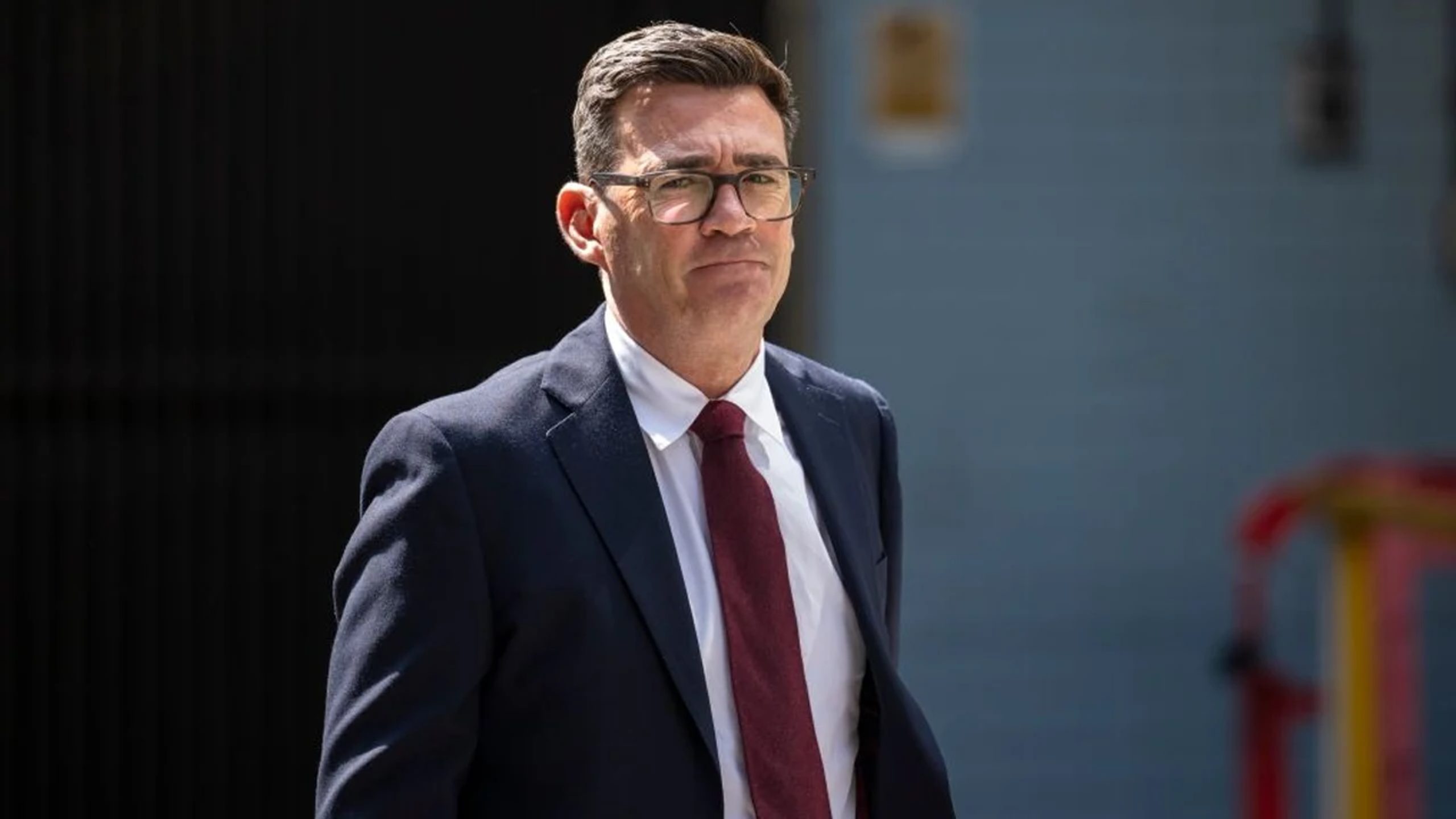
Andy Burnham formally takes office as the United Kingdom’s new prime minister on Monday. He becomes the country’s sixth prime minister since 2016 as he enters 10 Downing Street. From the outset he will have to tackle several major challenges, including a weak economy, a rising cost of living, a migration crisis and international instability.
Burnham, 56, succeeds the unpopular Keir Starmer. Only two years ago, Labour under Starmer’s leadership ended 14 years of Conservative rule with a landslide victory. After Starmer’s resignation last month, the Labour Party elected Burnham as its new leader.
After receiving a formal invitation from King Charles III to form a government, Burnham will give his first speech as prime minister outside 10 Downing Street on Monday, immediately after Starmer’s farewell address. In an interview with The Times published on Sunday, he said he was taking office aiming to end a decade of political instability and to run the country in a new way. “The way things have been done for so long has not worked,” Burnham said. “I will try to do things differently.”
His office said his first speech would focus on rebuilding trust between government and people, tackling the cost-of-living crisis, achieving economic growth and further devolving power to regional administrations. Key cabinet appointments could also be announced the same day, with attention on who will succeed Rachel Reeves as chancellor.
The former mayor of Greater Manchester, Burnham is known as the “King of the North.” Labour MPs believe he may be the party’s most effective leader in countering the growing popularity of the anti-immigration Reform UK. Labour deputy leader Lucy Powell said his experience as a mayor outside London’s central politics had given Burnham the ability to make practical and bold decisions.
Among the biggest challenges he faces are a sluggish economy, the high cost of government borrowing, rising welfare spending, the arrival of irregular migrants in small boats, and volatility in fuel prices caused by the US-Iran conflict. US President Donald Trump’s uncertain policies could also create fresh challenges for the British government.
Burnham said he would take a different approach to public spending and running the economy — creating opportunities for people to succeed through early investment and intervention, rather than bearing the cost of failure. He also pledged quick steps to reduce the cost of living, saying he had directly seen people’s financial strain during the campaign. Even before becoming prime minister, Burnham announced as his first major policy decision the scrapping of the Starmer government’s proposed national digital identity (Digital ID) scheme; his office said the roughly £1.8 billion the three-year project would have cost will instead be spent on the cost-of-living crisis and other priorities.
বাংলায় মূল প্রতিবেদন পড়ুন · Read the original Bengali report