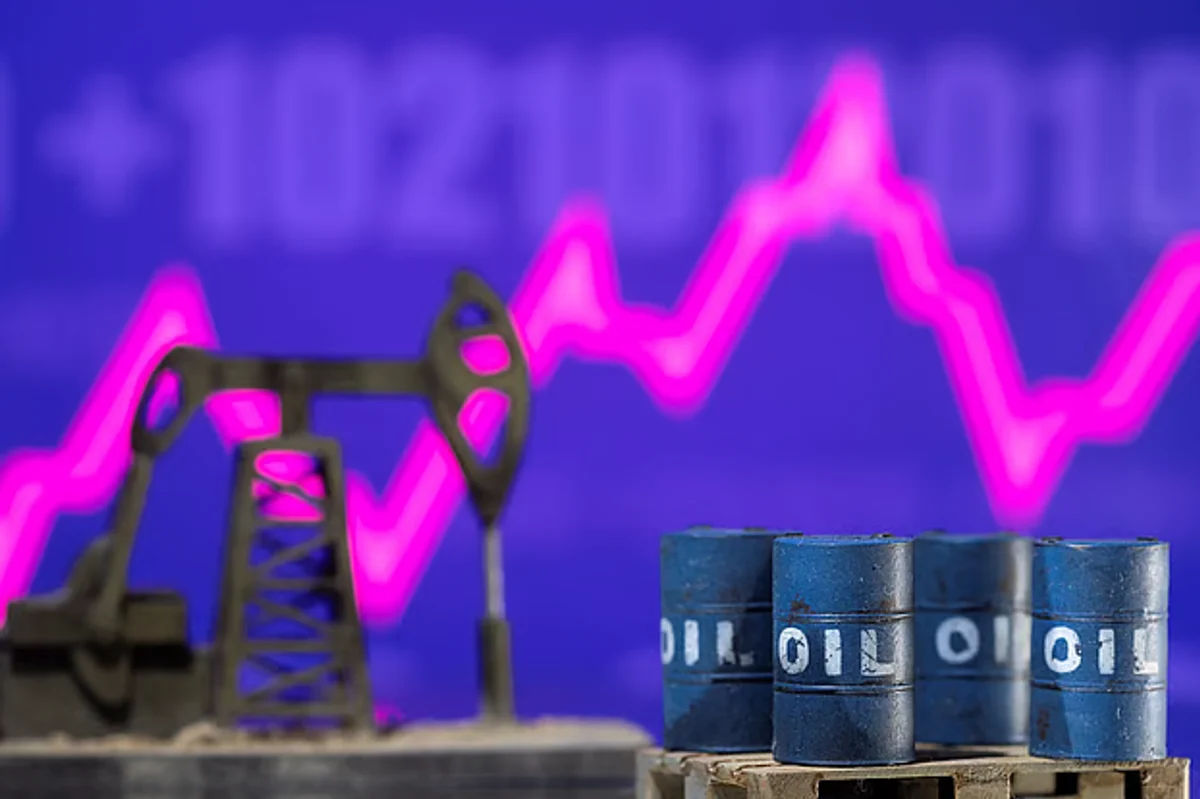
Global crude oil prices fell on Monday, the first trading day of the week, driven by two factors: OPEC and allied producers’ decision to raise output targets from August, and the gradual normalization of shipping through the Strait of Hormuz.
At the time of reporting on Monday morning, Brent crude fell 42 cents, or 0.58%, to $71.70 per barrel. The previous trading day, Brent had risen 0.45%. US West Texas Intermediate (WTI) crude dropped 27 cents, or 0.39%, to $68.42 per barrel. No official WTI settlement price was set on Friday as US markets were closed for Independence Day.
Both benchmarks were largely flat over the previous week, following several weeks of decline. Investors closely monitored US-Iran negotiations on Hormuz Strait shipping and the pace of export recovery from Gulf producers.
On Sunday, OPEC and allies including Russia agreed to raise their daily production target by a further 188,000 barrels from August — matching the same increase previously set for June and July.
However, the Iran war significantly disrupted implementation of these increases. The halt of tanker traffic through the Strait of Hormuz during the conflict constrained production and exports from major OPEC members including Saudi Arabia, Kuwait, and Iraq.
IG analyst Tony Sycamore said the production increase largely matched market expectations. But with the UAE having left OPEC on May 1 and post-war production still not fully normalized, the set quotas are largely symbolic and not being met in practice.
Gulf member states have begun restarting supply that was shut during the Iran conflict and are increasing exports. A Reuters survey found that OPEC oil output in June rose by 3.3 million barrels per day to 10.943 million barrels per day — the most significant recovery in over two decades.
June exports from Gulf states rose by more than 3 million barrels per day compared to May, exceeding 10 million barrels per day. However, exports remain approximately 40% below pre-war levels.
Industry sources reported that crude oil exports from Russia’s western ports hit record highs in June, a trend that may continue into July. Ukrainian drone strikes on several Russian refineries have forced the country to increase crude exports rather than refining domestically.
বাংলায় মূল প্রতিবেদন পড়ুন · Read the original Bengali report