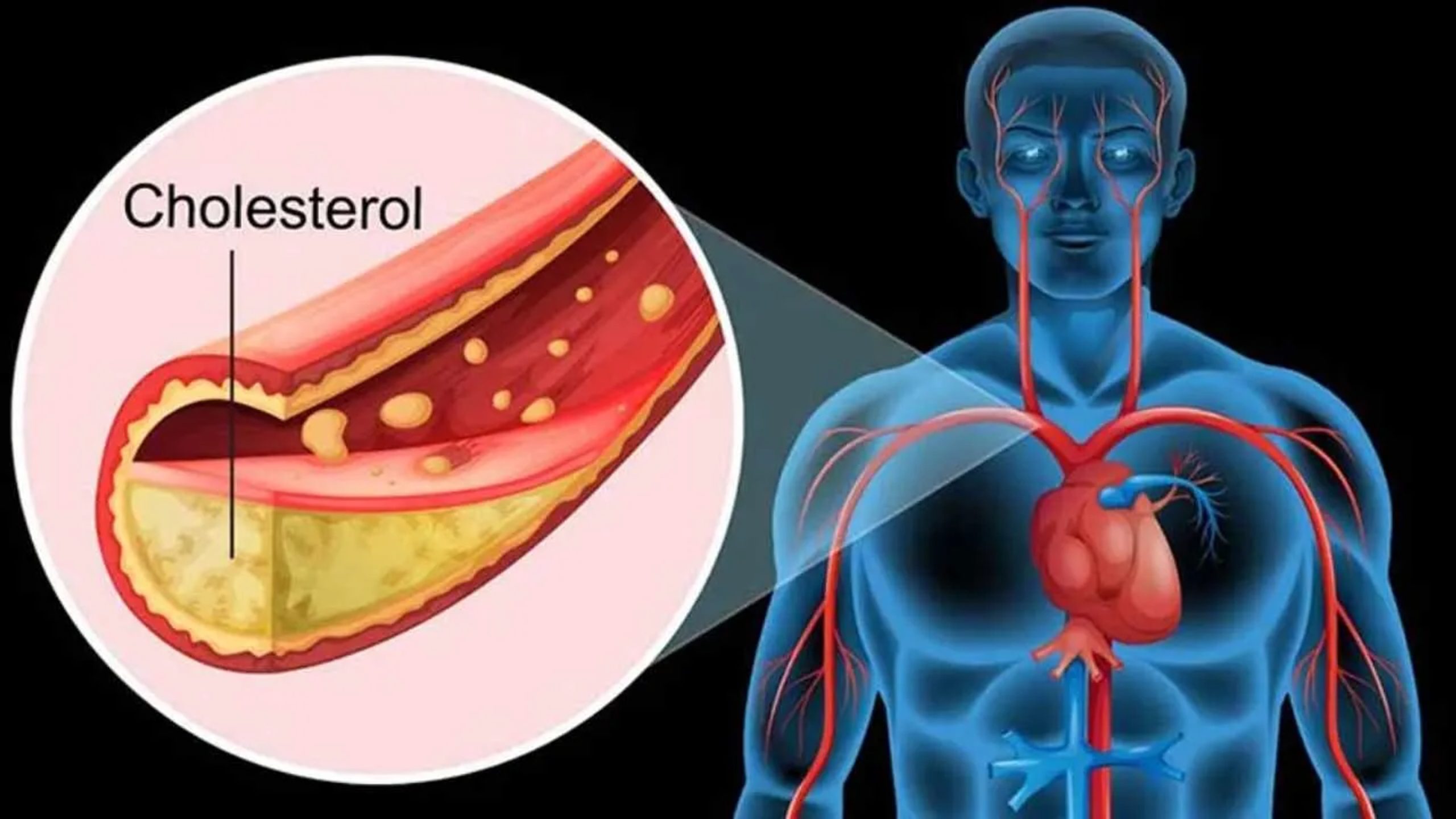
Many people know that high cholesterol is harmful to health. But a survey conducted on residents at the Cleveland Clinic in the United States found that very few people could say what cholesterol actually is, or how it relates to heart health. Dr. Robert Greenfield, a cardiologist at the MemorialCare Heart and Vascular Institute, says cholesterol isn’t inherently harmful. It’s a normal, harmless component of the body that is being mismanaged or misused by our current lifestyle. Even though cholesterol is an extremely necessary and familiar component for the body, many misconceptions persist about it.
What is cholesterol? Cholesterol is a waxy, fat-like substance. According to the American Heart Association, the liver itself produces cholesterol in the body. Cholesterol is necessary for the body’s normal functioning. But not all cholesterol is the same. Dr. Seth Shay Martin, director of the Advanced Lipid Disorders Program at Johns Hopkins Medicine, explains that cholesterol is a substance that helps the body build cell membranes, various hormones and vitamin D. Beneficial cholesterol, known as HDL or high-density lipoprotein, clears excess cholesterol from the bloodstream. Harmful cholesterol, known as LDL or low-density lipoprotein, builds up on artery walls and can create blockages that raise the risk of heart attack or stroke.
The body needs cholesterol to stay healthy and function. Many of us assume that if we have a cholesterol problem, our diet must be the main cause. But according to the Mayo Clinic, eggs can be eaten freely at breakfast. A Chinese study even found that eggs may play a protective role for the heart. According to Healthline, unless someone has a chronic condition like diabetes, research has found that high-cholesterol foods like eggs have very little effect on blood cholesterol levels. Dr. Kate Kirley, director of chronic disease prevention at the American Medical Association, says the amount of cholesterol we consume in food actually has very little effect on our body’s cholesterol levels. That’s because the body produces its own cholesterol regardless of the circumstances.
Misconception: Only overweight people have high cholesterol, others don’t Johns Hopkins Medicine confirms that losing weight — even just 10 pounds — can help lower LDL, or “bad” cholesterol, and triglycerides (a type of fat in the blood) in your body. Sometimes just changing diet and lifestyle brings this benefit. But for some people, controlling lipid or cholesterol levels can be quite complicated, and weight isn’t always a major factor. According to Dr. Edo Paz, a cardiologist at K Health, your cholesterol levels can be abnormal even if your weight is normal or healthy.
According to Yale Medicine, dietary changes and regular exercise can help many people. But if you have a genetic mutation causing high LDL cholesterol from birth, lifestyle changes alone won’t be enough. This hereditary condition is called familial hypercholesterolemia. According to the American Heart Association, one in every 200 adults in the U.S. has this condition. Most people with FH show no visible symptoms. Everyone’s cholesterol levels rise somewhat with age, but those with FH start with high LDL levels from early on, which continue rising over time.
Misconception: Nothing can be done about high cholesterol Many people panic when diagnosed with high cholesterol. But it can be controlled through diet and exercise. While diet is not the sole or even primary cause of high cholesterol, changes to food and lifestyle can still bring about significant improvement in cholesterol levels.
The Cleveland Clinic advises cutting saturated fat, sugar and refined flour from your diet as much as possible. Replace them with plenty of fiber-rich foods and nuts. Lose excess weight (5-10 pounds, or about 2.3-4.5 kilograms) and stay active through regular exercise. If you smoke, quit — smoking can narrow arteries and increase the risk of heart attack.
Misconception: Children don’t need to worry about cholesterol High cholesterol is generally diagnosed in people aged 40 to 50. But according to Prevention, a significant number of young people and children aged 6 to 19 also have high cholesterol.
Dr. Nivedita Patni, a pediatric endocrinologist at Children’s Health in Dallas, Texas, and assistant professor at UT Southwestern Medical Center, says obesity is one of the main causes of high cholesterol in children. More than 43% of children with obesity have high cholesterol, compared with less than 14% of children who aren’t obese. Experts say, however, that men may be at higher risk of high cholesterol than women, because elevated estrogen levels during childbearing years give women comparatively higher HDL, or “good” cholesterol, which helps lower their heart-disease risk until middle age.