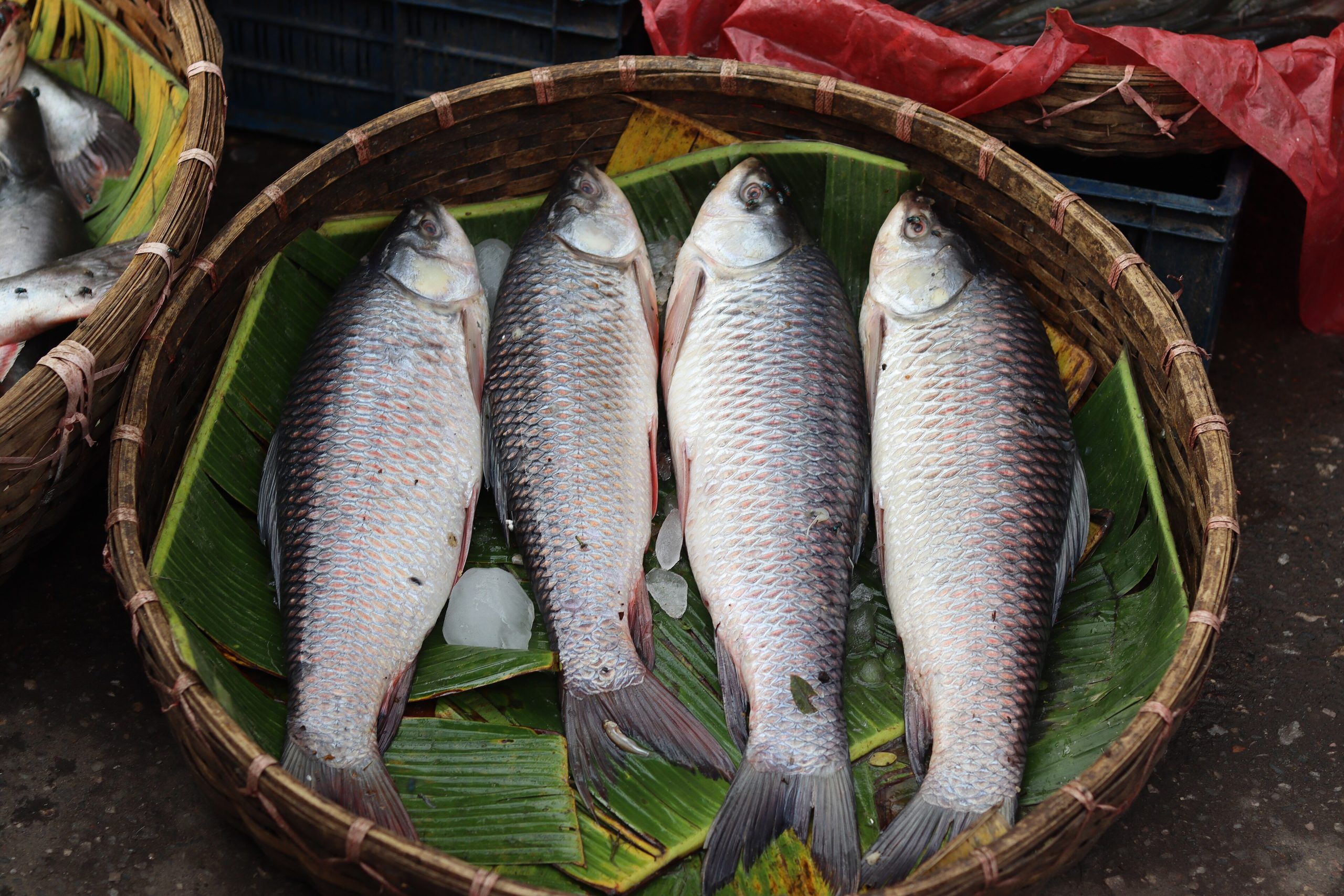
Jashore produces more than three times its local fish demand and is one of the largest contributors to the country’s overall output. But the once-profitable sector is now in distress as the cost of fish feed, fry production inputs, fuel and electricity has risen sharply, squeezing both hatchery owners and fish farmers.
Of the district’s 82 hatcheries, 44 have already shut down, according to the Jashore District Hatchery Owners’ Association. The district fisheries office puts the number of active hatcheries at 42.
Hatchery owners say industrial-rate electricity billing has been the biggest blow. They have long demanded a switch to the lower agricultural rate but have been ignored. Without a subsidy or rate change, they say, keeping operations going is becoming untenable.
Association president Zahidur Rahman Goldar said rising diesel and electricity prices have pushed up costs at every stage. “The price of fry has not risen proportionally, so hatchery owners are absorbing losses,” he said.
Fish farmers echo the distress. The price of oil-cake has reached Tk 3,300 to 3,500 per bag, while a 20-to-25-kilogram bag of feed now costs up to Tk 2,200 — an increase of Tk 300 to 400 per bag. Pond lease costs are also climbing annually.
Mizanur Rahman Bablu, senior vice-president of the Fish Farmers’ Welfare Association’s Jashore chapter and owner of Falguni Fish Farm, said: “Input costs keep rising across the board — labor, feed, medicine, fertilizer, oil-cake, leases. Profits are shrinking and it is becoming difficult to sustain the business.”
Despite the difficulties, Jashore farmers continue to produce far beyond local demand. The district’s annual fish requirement is 67,661 metric tons, but annual production stands at 248,194 metric tons — a surplus of 180,533 metric tons. Some 8,293 metric tons are exported. Active hatcheries still produce over 150,000 kilograms of fry annually.
Association general secretary Shamsuddin Chowdhury Sumon said he lost more than Tk 15 lakh (about $12,500) last year alone. “If the government does not introduce subsidies or switch us to the agricultural electricity rate, hatcheries will not survive,” he said.
District fisheries officer Monirul Mamun said a recommendation to switch hatchery electricity billing to the agricultural rate has been forwarded to the relevant authorities and the ministry is aware of the issue.
বাংলায় মূল প্রতিবেদন পড়ুন · Read the original Bengali report