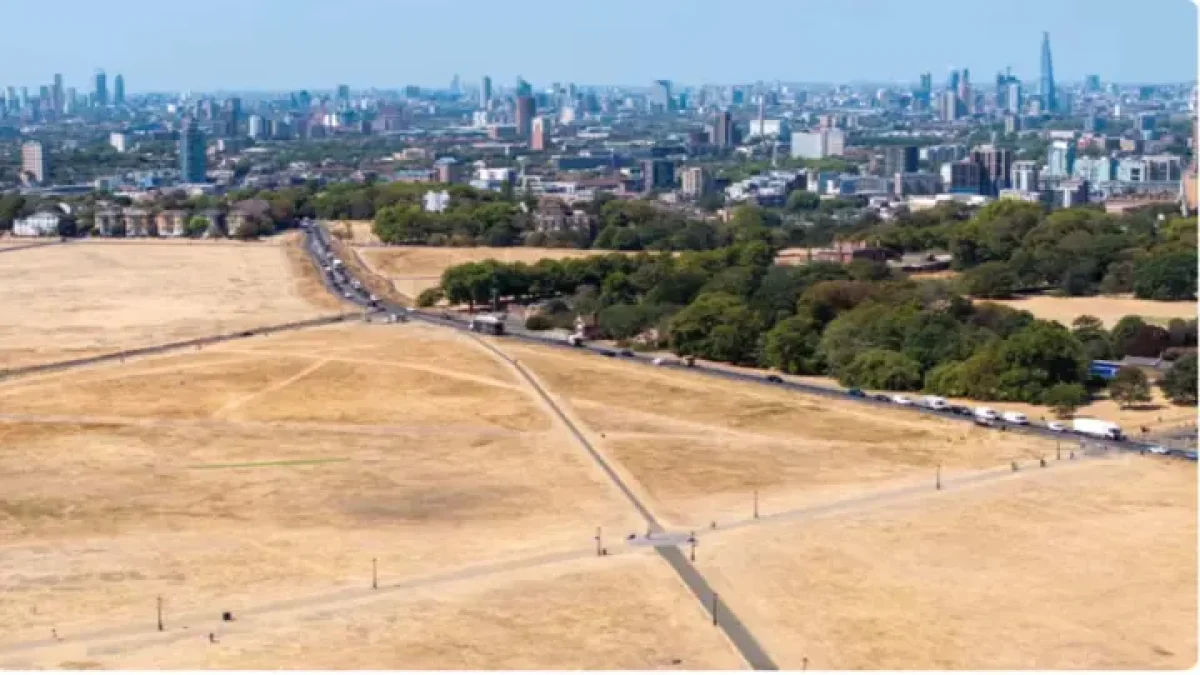
Researchers estimate that more than 50,000 people died in Europe’s severe heatwaves in the summer of 2026. About two-thirds of these deaths are attributed to human-caused climate change, especially the global warming caused by burning fossil fuels. The researchers say this year brought Europe its worst toll of heat-related deaths in 26 years.
The estimate is based on two studies published in the journal Nature Health. Researchers at Imperial College London and the London School of Hygiene and Tropical Medicine analysed temperatures and mortality risk in 854 cities in 30 European countries.
An estimated 50,391 people died from heat-related causes in these cities between June and August. More than 32,600 of those deaths were directly linked to human-caused climate change. In other words, a large share of them could have been avoided had burning fossil fuels not raised the planet’s temperature.
The figure is not a count of recorded deaths. The researchers reached the estimate by analysing temperature, population and the relationship between high temperatures and death rates. The cities in the study represent about 40 per cent of the total population of the countries concerned, so the effect of heat on people living outside cities is not included.
A record-breaking summer
One heatwave after another struck Europe in the summer of 2026. From late May to the end of August, parts of the continent had unusually hot weather. In western Europe the average summer temperature was about 2.9 degrees Celsius above the 1991 to 2020 average. On some days, temperatures in several countries rose as much as 12 degrees Celsius above the historical average.
The situation became especially severe during an intense heatwave from 17 June to 1 July. By the researchers’ calculations, the average temperature in the cities studied was 5.3 degrees Celsius above normal during that period. About a third of the estimated heat deaths for the whole summer are linked to it.
The researchers say that while western and southern Europe were hit hardest, heat deaths were also significant in parts of northern Europe, traditionally seen as relatively cool. This shows the risk of extreme heat is no longer limited to Europe’s warm regions.
Most deaths in Italy
By country, Italy had the highest estimated number of heat deaths, at 13,303 by the researchers’ count, followed by France, Spain and Germany.
The study’s estimates by country are: Italy 13,303, France 7,268, Spain 6,824, Germany 6,340 and the United Kingdom 4,354.
Of the estimated deaths in the UK, 2,535 were linked to human-caused climate change. In Spain, the study attributes about 77 per cent of heat deaths to climate change.
Older people most at risk
Older people were hit hardest by the heatwaves. By the study’s estimate, about 22,502 people aged 85 or over died, about 45 per cent of all estimated deaths.
But the danger of extreme heat was not limited to older people. The researchers estimate that about 6,000 people under 65 also died from heat-related causes, including more than 800 people aged 20 to 44.
Excessive heat disrupts the body’s ability to control its temperature. This can lead to dehydration and heatstroke and put strain on vital organs such as the heart and kidneys. People with existing heart disease, breathing problems or other long-term illnesses are at greater risk. Besides older people, outdoor workers, homeless people and those without air conditioning are especially vulnerable in extreme heat.
The climate’s growing role
The role of climate change in heat deaths has grown significantly over the past two decades. At the start of this century, about 40 per cent of heat deaths were linked to human-caused warming. In the summer of 2026 that share rose to about two-thirds.
This means that even when hot weather has natural causes, global warming driven by human activity is making the heat more intense and more deadly. Burning fossil fuels is raising the concentration of greenhouse gases in the atmosphere. This drives up global temperatures and makes heatwaves more intense, longer and more frequent.
Clair Barnes, a researcher on climate and extreme weather at Imperial College London, said the summer of 2026 may have been the worst on record for heat deaths in many parts of Europe. Ever hotter and more extreme weather is putting growing pressure on public health, she said, and behind these figures are people who lost their lives and grieving families.
Pierre Masselot, a researcher at the London School of Hygiene and Tropical Medicine, also warned that the effects of climate change are no longer confined to Europe’s traditionally warm regions. Parts of western and northern Europe are also facing unprecedented temperatures and health risks.
Urgent call to adapt and cut emissions
The researchers say governments need to act quickly and in a coordinated way to reduce the harm from heatwaves. The focus should be on protecting older and vulnerable people, early warning systems, more health care capacity and cooler cities.
More trees and green space in cities, fewer heat-absorbing surfaces, enough shade and water, and safe cooling shelters during extreme heat could all help. Making homes and hospitals able to cope with intense heat is also urgent.
But the researchers warn that adaptation alone cannot fully prevent the risk. In the long term, reducing heat deaths requires using less fossil fuel and cutting greenhouse gas emissions quickly.
Europe’s summer of 2026 has shown that climate change is not a distant future threat; it is already costing lives. Without effective action to cut emissions and protect public health, Europe may face even deadlier summers.
বাংলায় মূল প্রতিবেদন পড়ুন · Read the original Bengali report