More than 1,100 Muslim families have been evicted in two days in a drive to clear forest and government land in the Indian state of Assam. Most of the evicted families are Bengali Muslims. The drive was carried out in Nagaon, Golaghat and Hojai districts.
The operations took place in Nagaon, Hojai and Golaghat on 17 and 18 October. Most of those affected are Bengali-speaking Muslims. Chief Minister Himanta Biswa Sarma said more than 638 hectares of land had been cleared in recent drives in the three districts. On social media he called it the administration’s “fierce form” (rudra rup).
The drive
According to officials and media reports, 547 families were evicted in the three districts on 17 October alone: 336 in Nagaon, 152 in Hojai and 59 in Golaghat. The next day, 18 October, the homes of another 500 to 600 families were razed in the Lutumari-Longjap reserved forest in Nagaon. Many residents left with their belongings before the excavators arrived. Drives were also carried out in the Jamuna-Mouldanga reserved forest in Hojai and in the No. 2 Negheribil area of Golaghat.
The biggest operation on Sunday was in the Lutumari forest. Officials say about 314 hectares were cleared there and 563 families evicted. One report says 1,669 structures were demolished that day, five of them mosques. Forest officials are now securing the boundary so that nobody tries to occupy the land again. Officials said the drive to clear forest land could continue.
What the government says
The Assam government says the drive is to free forest and government land from illegal occupation. Forest officials say residents were told by loudspeaker in August to leave the area, and as a result about 90 percent of the “alleged encroachers” left on their own before the drive. They say the whole process followed court orders.
The court
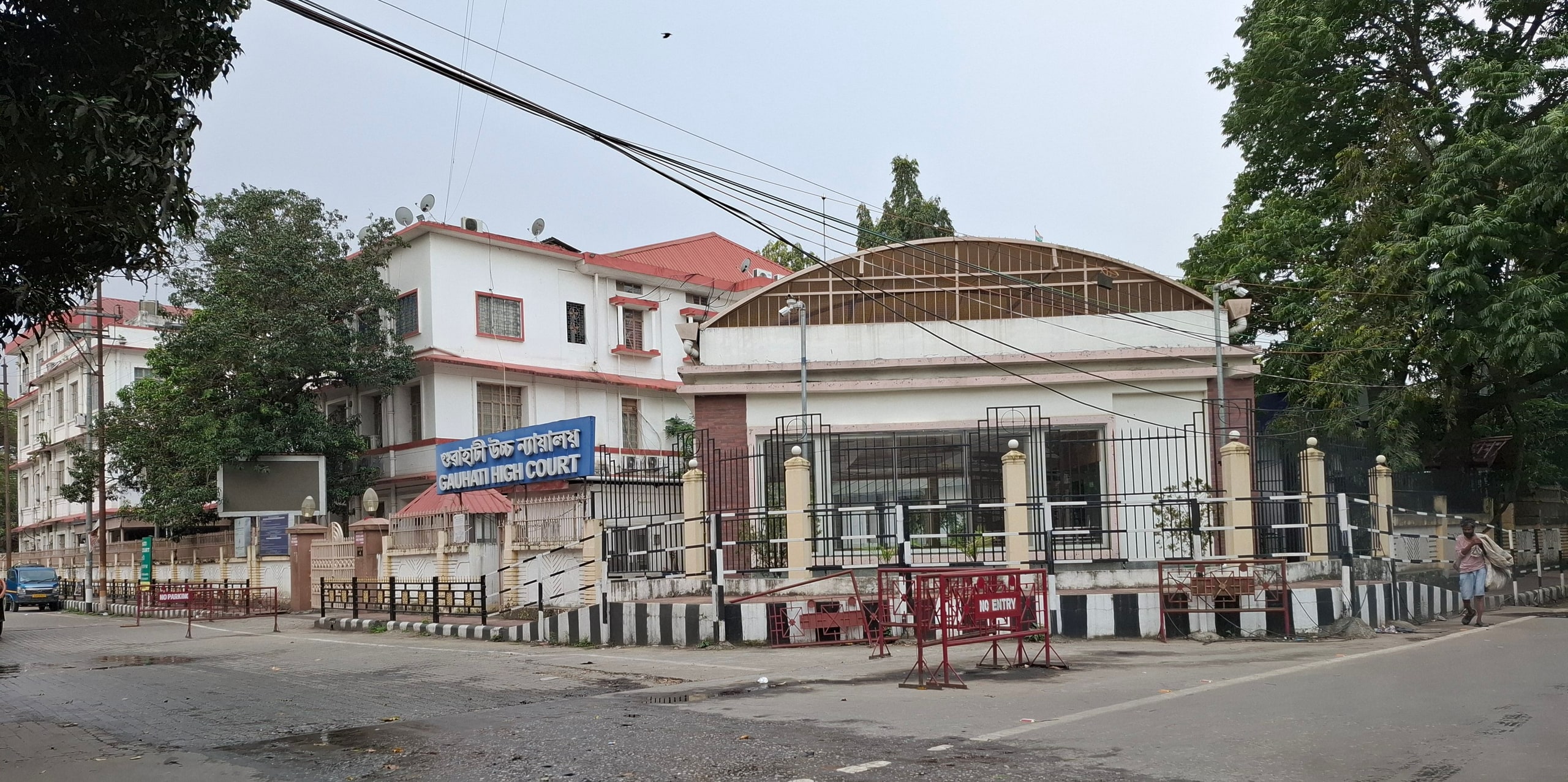
The affected families went to the Gauhati High Court but got no relief. In June the court ordered them to leave the area within 30 days. It said the public interest in protecting the reserved forest outweighed individual claims to live there. It also ordered electricity connections cut after the deadline passed.
What residents say
Residents of Lutumari reject the label “illegal encroachers”. They say their forebears were forest department workers whom the government itself allowed to settle there under the British-era “taungya” system. Abdul Nur, who was evicted, said his family was given the land in 1974. He said more than 10 mosques were demolished in the drive.
The All Assam Minority Students’ Union (AAMSU) has accused the government of bias. Its president, Md. Imtiaz Hossain, said that of about 500 families facing eviction in Lutumari, around 300 had been settled there by the government itself in 1973, 177 of them Muslim families. The union says that while the government cites court orders, it is targeting one particular community. Local and other student groups have also voiced anger.
Earlier drives and the wider picture
A separate eviction drive in Lutumari last November affected about 1,700 families. According to a tally compiled from government sources, about 19,000 families have been evicted from government land in Assam during the BJP’s decade in power. The report says most of them are Muslim.
বাংলায় মূল প্রতিবেদন পড়ুন · Read the original Bengali report