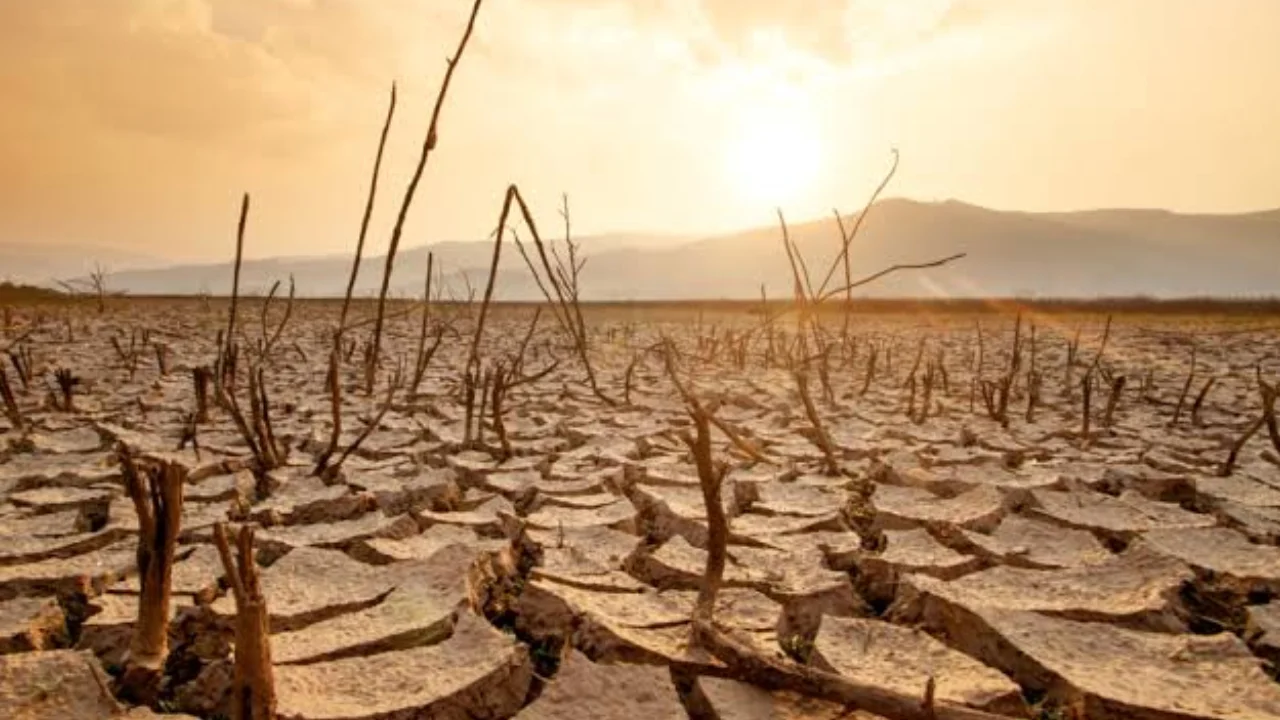
El Nino is set to strengthen rapidly between July and September, increasing the risk of extreme weather events worldwide, the United Nations weather agency warned on Friday.
The World Meteorological Organization (WMO) said El Nino conditions have already formed and will intensify quickly over the coming months, urging countries to prepare for potential impacts.
El Nino is a naturally occurring climate phenomenon in which sea surface temperatures in the central and eastern equatorial Pacific Ocean rise above normal levels. This disrupts wind patterns, air pressure, and rainfall across the globe. It typically occurs every two to seven years and lasts approximately nine to 12 months.
The WMO’s monthly ‘Global Seasonal Climate Update’ said El Nino is forecast to reach ‘strong’ intensity — the third-highest category on the organization’s four-tier scale of weak, moderate, strong, and very strong — between July and September.
“El Nino conditions have developed in the tropical Pacific. The phenomenon is expected to strengthen rapidly over the coming months, increasing the risk of extreme weather events in many regions of the world,” the Geneva-based agency said.
Sea surface temperature anomalies in key monitoring regions could exceed 2 degrees Celsius above normal, the WMO said, adding that multiple climate models show significant agreement, giving high confidence in the forecast.
The agency said El Nino would continue to strengthen through the northern hemisphere autumn, with its effects extending to many parts of the world. Temperatures in the equatorial Atlantic basin are also expected to remain above normal.
The most recent El Nino contributed to 2023 being the second-warmest year on record and 2024 becoming the warmest, at approximately 1.55 degrees Celsius above the 1850-1900 pre-industrial average.
El Nino typically reaches peak intensity between November and February, though its temperature effects become more pronounced afterward, the WMO said.
বাংলায় মূল প্রতিবেদন পড়ুন · Read the original Bengali report