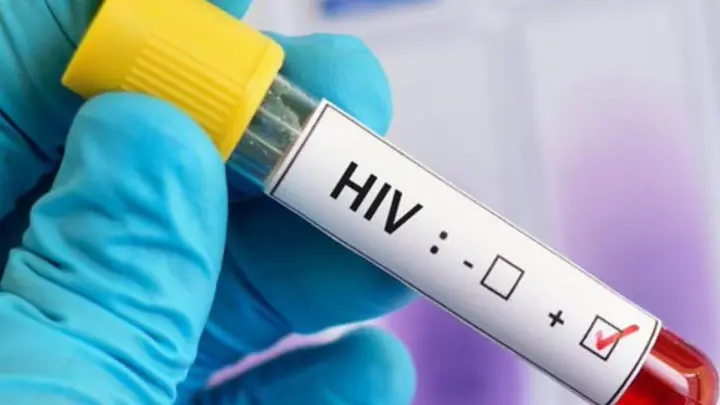
HIV infections are rising rapidly in Fiji. Given the severity of the situation, the country’s government has declared a national HIV emergency. According to health ministry data, 2,016 new HIV cases were detected in 2025, 16 times more than in 2019. Roughly one in every 60 adults in the country is now believed to be living with HIV.
Fiji’s health minister, Atonio Lalabalavu, said the government is taking a “coordinated and comprehensive” response to tackle the situation. Alongside expanding free HIV testing, preventive medication and treatment services, harm-reduction programmes for drug users will also be scaled up. According to the UN’s AIDS agency, UNAIDS, more than half of infections have occurred through sexual contact and more than 42 percent through injecting drug use. Of 59 babies born with HIV in 2025, 18 died before reaching their first birthday.
UNAIDS has welcomed Fiji’s initiative. The country is also planning legislation to launch a needle and syringe supply programme. Australia, New Zealand, India, the Global Fund and the United Nations are supporting Fiji in tackling the crisis. UNAIDS officials say the infection situation has grown more complicated as drug flows have increased through Fiji and other Pacific island nations, which are being used as transit routes for drug trafficking.