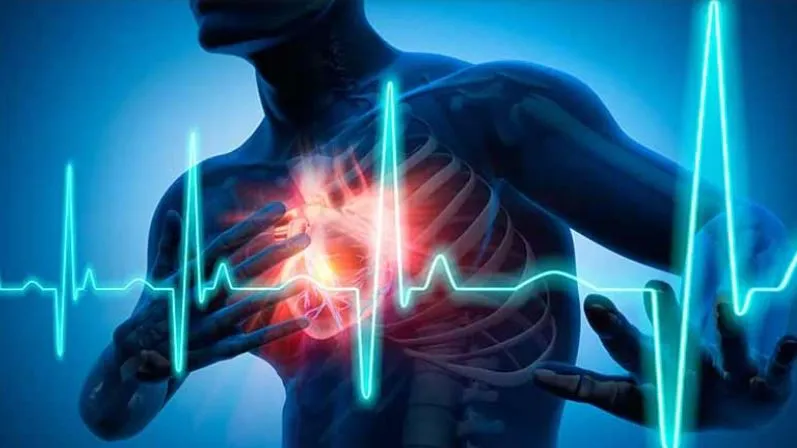
A heart attack is often thought of as a sudden illness. But the body often gives warning signs beforehand. In women, however, the symptoms of heart disease may not always be as obvious. Instead of chest pain, some lesser-known signs — unusual fatigue, shortness of breath, nausea or trouble sleeping — can also serve as early warning signals of heart trouble. An NDTV report said unusual, unexplained fatigue can appear in women even weeks before a heart attack. Many women mistake this symptom for everyday busyness, stress, aging, menopause or sleep problems, which can delay seeking medical advice.
Heart attack symptoms in women don’t always look the same as in men. While men are more commonly known to experience intense chest pain or a feeling of pressure in the chest, women may show comparatively subtler signs. These symptoms are often mistaken for gas trouble, anxiety, work overload or ordinary tiredness, which can delay diagnosis of heart disease.
The silent symptom that shouldn’t be ignored
Unusual fatigue in women has been flagged as an important warning sign. If fatigue occurs that shouldn’t follow from normal activity, or if unusual weakness and tiredness persist even after adequate rest, it’s worth taking seriously. That said, fatigue alone doesn’t mean a heart attack is occurring — fatigue can have many other causes. It’s important to consult a doctor if it appears alongside other symptoms.
Other signs that may appear
Possible warning signs of a heart attack in women include: shortness of breath or sudden breathlessness; pressure, discomfort or heaviness in the chest; pain in the jaw, neck, shoulder, back or arm; dizziness or feeling weak; cold sweats, nausea or a feeling of indigestion; unusual changes in sleep patterns; and unusual, unexplained fatigue. Not all symptoms appear together, and they can vary from person to person.
Who is at higher risk
Factors that can raise a woman’s risk of heart attack include high blood pressure, diabetes, high cholesterol, excess weight or obesity, smoking, lack of physical activity, a family history of heart disease, menopause, excessive and prolonged mental stress, and a diet high in salt and processed food. If sudden chest discomfort or pressure occurs along with shortness of breath, cold sweats, dizziness, nausea, or pain spreading to the jaw, neck, back or arm, emergency medical care should be sought without delay — especially if symptoms last more than a few minutes or keep worsening, in which case getting to a hospital quickly is essential. In women, dismissing such symptoms as mere gas, stress or fatigue can be risky.