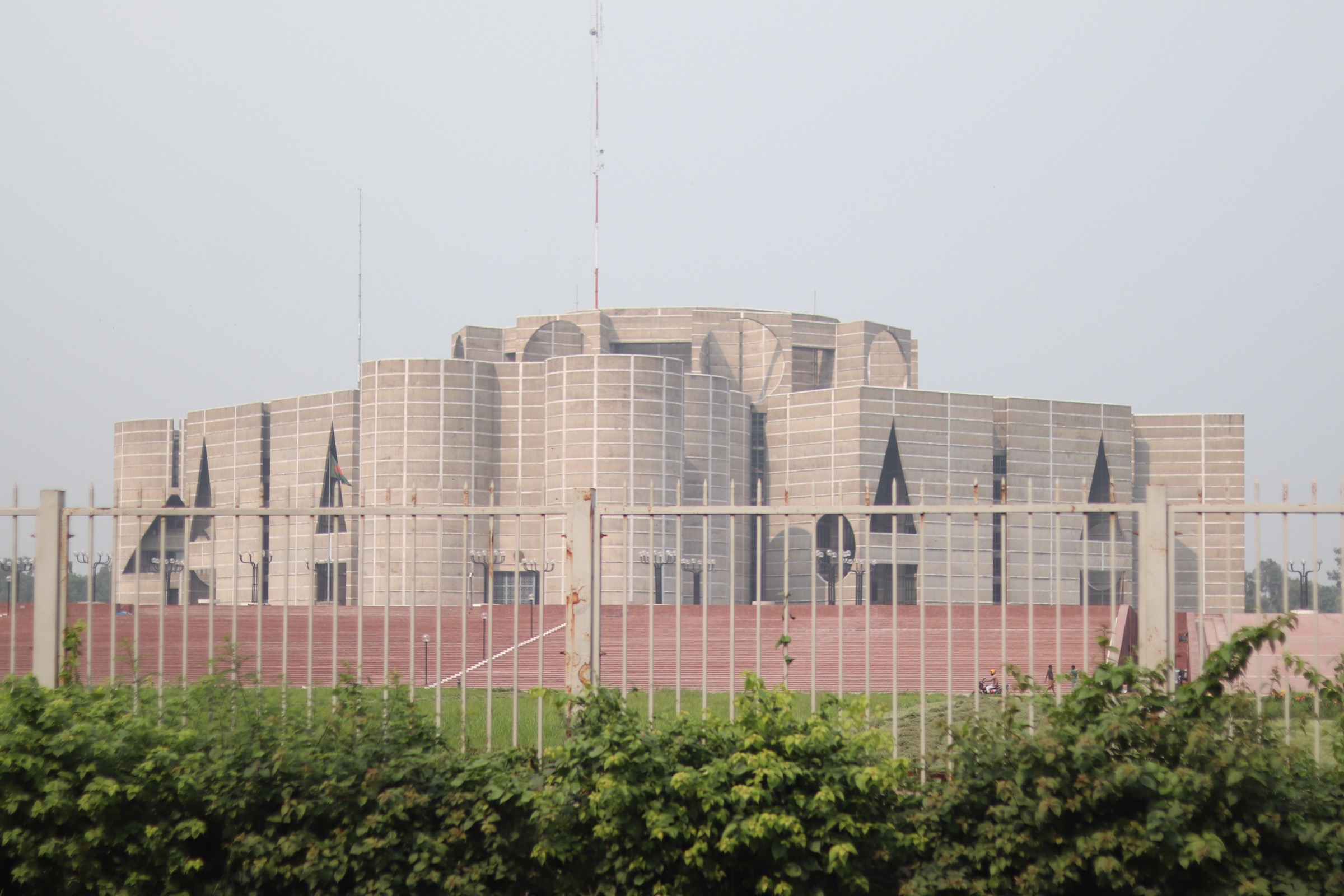
The Jamaat-e-Islami-led opposition bloc will not take part in the “Special Committee on Constitution Amendment” that the BNP-led ruling alliance has proposed for the constitution’s 18th amendment. The bloc will instead press its demand for constitutional reform in line with the referendum result.
The opposition argues that, with a two-thirds majority, the government can amend the constitution however it wishes, and that if the opposition’s “note of dissent” is ignored there is nothing it can do. During the interim government, the parliamentary committee that vetted ordinances did not accept the opposition’s notes of dissent; though it was decided to debate these later in parliament, that was not done.
Opposition leaders say joining the committee merely to lend “legitimacy” is meaningless, so they see the solution on the streets.
From 13 June to 25 July, the Jamaat-led 11-party alliance will hold rallies in six divisional cities. It held its first rally in Rajshahi on 15 May and plans a large gathering in Dhaka in August.
Law Minister Md Asaduzzaman proposed forming the special parliamentary committee on 29 April, saying it would have 17 members — seven of them BNP MPs, five from Gano Odhikar Parishad, Ganasamhati Andolan and independents, and five more from the opposition.
Opposition leader Shafiqur Rahman told parliament that day that the bloc had a conceptual difference over forming the committee and would decide after its own discussions. The opposition wants “reform,” while the ruling party wants an “amendment” of the constitution.
The law minister said he would have no difficulty waiting until the next session for the opposition’s decision; the budget session begins on 7 June. Jamaat assistant secretary general Hamidur Rahman Azad told Samakal there was no scope to join the committee, saying past experience showed that whatever the ruling party wants prevails by force of majority, making participation meaningless and nothing more than granting legitimacy.
The then-opposition BNP did not join the special parliamentary committee formed in 2010 for the constitution’s 15th amendment. That 15-member committee — chaired by the Awami League’s Syeda Sajeda Chowdhury with Suranjit Sengupta as co-chair — included one MP each from the Jatiya Party, Workers Party and JSD; the then-ruling Awami League had proposed three members from the BNP.
That committee proposed 51 amendments, including inserting a “Father of the Nation” provision, removing the referendum requirement, making the constitution harder to amend, and providing the maximum penalty for violating it — but it did not recommend abolishing the caretaker-government system.
Then-prime minister Sheikh Hasina later moved to scrap the caretaker system, citing a court ruling. According to Shushashoner Jonno Nagorik (Sujan), all 15 committee members had already changed their position, unanimously recommending the caretaker system’s abolition.
Citing that precedent, Azad — an MP in that parliament — told Samakal on Wednesday the same would happen again. Jamaat and the 11-party bloc have no demands of their own, he said: the constitution must be reformed exactly as the referendum decided, which requires a Constitution Reform Council, not a committee. Today’s prime minister sought a “yes” vote in the referendum during his campaign, he added; backing away from that and not reforming the constitution in line with the July Charter would be a betrayal, and Jamaat will not be a party to it.
NCP member secretary Akhtar Hossain stated the same position. The referendum-approved July National Charter implementation order, he said, spells out clearly how the constitution is to be reformed, yet the ruling party is calling the people’s approved order illegal. The NCP will not accept anything that betrays the referendum, nor take part in it.
Ruling-party sources say the constitution-amendment work will proceed even if the opposition does not join. Azad and Hossain told Samakal the government can do so by force of majority, but the outcome will be good for no one. Asked whether there was any discussion with the government, Hamidur Rahman said there had been talks on other matters but none on amending or reforming the constitution.
The National Consensus Commission drew up the July National Charter through dialogue among political parties; 48 of its proposals relate to the constitution. The BNP has notes of dissent on proposals including the formation method of the caretaker government, forming parliament’s upper house in proportion to votes, and appointing the Public Service Commission, Anti-Corruption Commission, ombudsman and Comptroller and Auditor General through a constitutional committee. Jamaat, the NCP and other partners favour implementing the charter’s constitution-related proposals exactly as written, arguing that 68.6 percent of voters said “yes” in the referendum — which calls for reform, not amendment, of the constitution.
বাংলায় মূল প্রতিবেদন পড়ুন · Read the original Bengali report