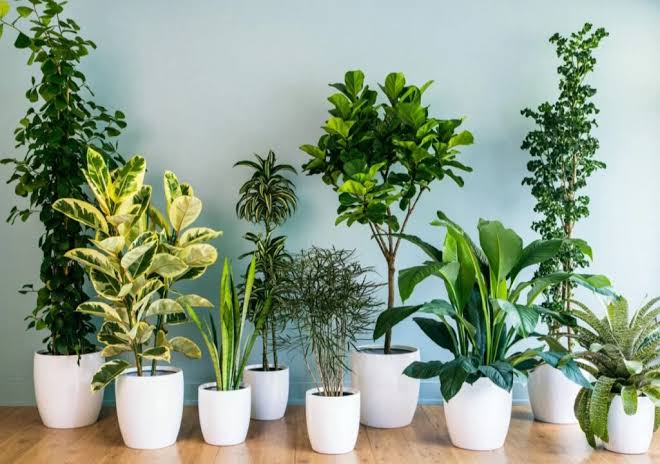
Indoor plants offer many benefits. They don’t just add beauty to a home — they come with numerous physical and mental health advantages. From reducing stress and boosting focus to improving productivity and air quality, indoor plants play a role in all of it. Before bringing indoor plants into your home, let’s look at their benefits.
Our lives are becoming increasingly mechanical by the day. Life is getting boxed in by urban brick, wood and concrete. Taking a full breath of clean air feels difficult. That’s why indoor plants, slowly but steadily, have become increasingly popular as a way to bring life into homes. Plants that can grow naturally when kept indoors are generally considered indoor plants. These plants not only enhance a home’s beauty, but are also good for physical and mental health.
Indoor plants purify the air
NASA research has found that certain indoor plants remove harmful substances such as carbon monoxide, formaldehyde, ammonia, carbon dioxide and more. These are commonly known causes of headaches, fatigue, illness and allergies. Adding some indoor plants to a home can improve air quality and make the air cleaner.
Reduces stress
The color green brings calm to both body and mind. Plants around us bring a kind of mental peace. Indoor plants also help reduce stress and lower blood pressure. According to a study published in the Journal of Physiological Anthropology, being near plants has a calming effect on both body and mind. Study participants who were near indoor plants showed reduced heart rate and blood pressure. In contrast, those who completed stressful computer tasks showed a marked rise in these stress indicators.
Boosts focus
When it comes to boosting focus, real plants outperform artificial ones. In a study published in MDPI, 23 students studied in classrooms with different plant setups, including real plants, fake plants and pictures of plants. Brain scans showed that students studying around real plants were more focused than those surrounded by artificial plants or pictures. If you want to boost your focus, real plants may be the key.
Home decor
If you want to break up a monotonous home decor, indoor plants are hard to beat, given the variety of colors and shapes they offer. A small cactus in the corner of a bookshelf, or a large palm tree filling an empty corner of a room, can transform the beauty of a space.
Saves money
Plants can save you a small amount of money. Beyond decor, many plants also have practical uses — aloe vera for sunburned skin and hair care, oregano for cooking, citronella for repelling mosquitoes, tomatoes for eating, and so on. Instead of air fresheners, you could plant lavender, rosemary or mint.
Speeds recovery from illness
Plants aren’t just for decoration — they can also help you recover faster after illness or surgery. Patients recovering in environments with natural elements like plants have been shown to need less pain medication and spend less time in the hospital compared with patients in rooms without plants.
Therapeutic benefits
Indoor plants aren’t just for leisure — they can also be therapeutic. People struggling with anxiety, depression and even dementia have found relief through horticultural therapy. This kind of therapy involves planting and caring for plants, which has been shown to improve mood and overall well-being.
Boosts productivity
It’s not just about reducing stress — plants can boost productivity too. People working in spaces with plants tend to be more creative and productive. Keep plants in your workspace. They can help you work faster and more efficiently, while also reducing stress and distraction.