Many senior BNP leaders have questioned the Indian government’s role in giving Bangladesh’s ousted former prime minister Sheikh Hasina a chance to speak at a news conference in New Delhi.
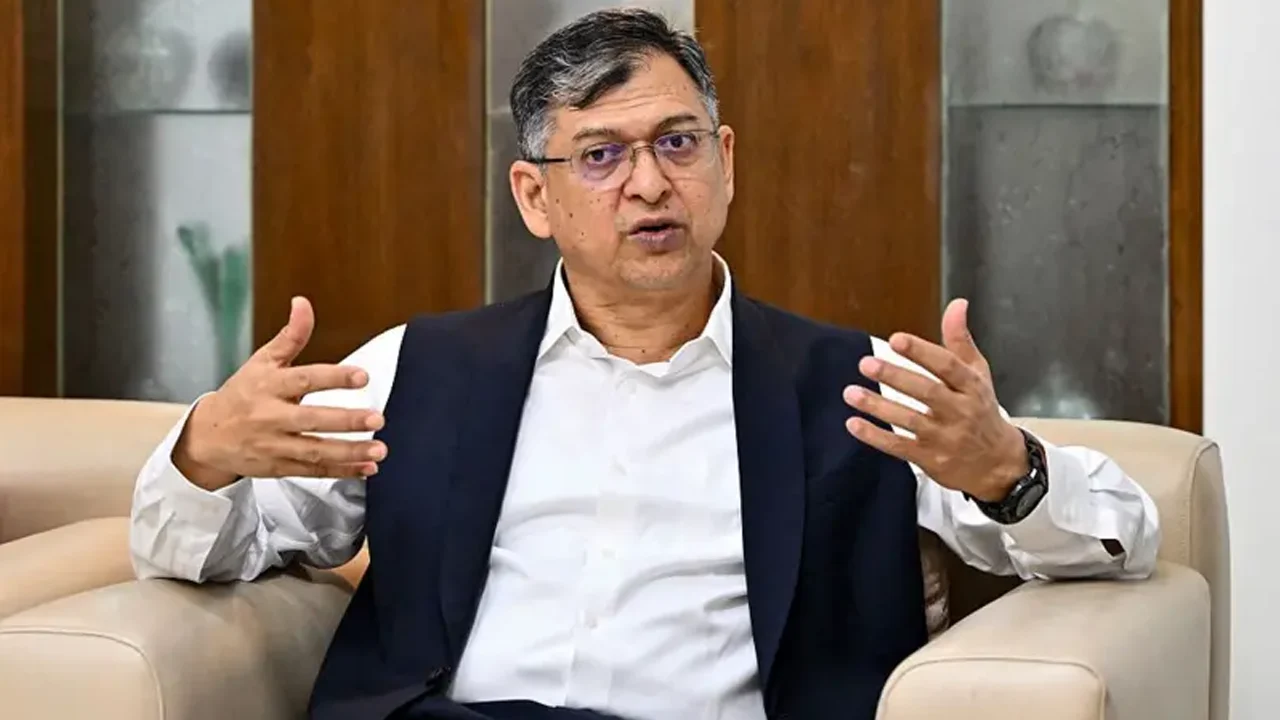
The party’s standing committee member and Bangladesh’s home minister Salahuddin Ahmed told BBC Bangla: “Why did the Indian government give Sheikh Hasina a chance to speak in the media — that is our question.”
Sheikh Hasina has been sheltering in India since being ousted in the July uprising. On that point, the home minister said: “India has given her shelter. But from there, Sheikh Hasina is carrying out political activity concerning Bangladesh; she was given a chance to speak directly in the media.” He also asked why the Indian government would give a chance for such political activity to Sheikh Hasina, who is in India under a death sentence for crimes against humanity in Bangladesh.
On 5 August, the second anniversary of the fall of the Awami League’s long rule in the July uprising, Sheikh Hasina spoke by audio call at a news conference organised in New Delhi by the South Asia Foreign Correspondents’ Club (FCC South Asia), answering various questions.
Bangladesh’s foreign ministry has also reacted angrily. Many BNP leaders say there has been an angry reaction within the ruling party’s leadership too.
At the New Delhi news conference, Sheikh Hasina avoided journalists’ questions about whether she would express regret or apologise for the killings during the July movement. Her son Sajeeb Wazed Joy, who joined virtually, said one side had been given indemnity over the killings during the July movement, and that if one side got indemnity, the other side had that right too.
With the leaders of the party ousted two years ago showing no remorse, Bangladesh’s currently active political parties have been reacting angrily. BNP leader Salahuddin Ahmed told BBC Bangla: “They (the Awami League government) carried out mass killing during the July movement. But they have not expressed regret or apologised to this day. They have no remorse at all.” He added: “Rather, sheltering in India, they are carrying out activity against the people of Bangladesh. The people are angry with them.”
When the Awami League government fell two years ago, the interim government formed at the time banned the party’s activities through an ordinance. That ordinance added a provision to ban all activities of any entity involved in terrorist activity under the anti-terrorism law. After BNP formed a government through the parliamentary election, it passed an amendment to the anti-terrorism law in parliament, so the Awami League’s activities remain banned.
At the New Delhi news conference, Sheikh Hasina demanded that the ban on her party’s activities be withdrawn. Salahuddin Ahmed said: “As a party, the Awami League is under investigation for crimes against humanity. It will be tried before the International Crimes Tribunal. That provision has been added to the relevant law.” He said: “BNP does not want to ban any political party’s activities by executive order. But the Awami League’s activities are a matter for the court’s decision. They (the Awami League) have not gone to court. The government will act as the court decides.”
The home minister also said: “The people will judge too. They (the Awami League government) carried out mass killing during the July movement. In their long rule, they suppressed the opposition and dissenters; they carried out enforced disappearances and killings. So the people have no confidence in them, and the people will judge them too.”
When reports that Sheikh Hasina might join the New Delhi news conference virtually first came up, the BNP government conveyed its concern to India. Last Monday, India’s high commissioner Dinesh Tribedi met the prime minister’s foreign-affairs adviser in Dhaka, who sought the Indian government’s cooperation to stop Sheikh Hasina from carrying out political activity in Delhi. The same day, state minister for foreign affairs Shama Obaed called on the Indian government to clarify its position. Answering journalists’ questions at the foreign ministry, she said organising a news conference around the president of the banned Awami League could harm efforts to normalise relations between the two countries.
On Tuesday, citing court directives, the Bangladesh government issued a statement requesting that Sheikh Hasina’s remarks not be broadcast in Bangladeshi media. The prime minister’s information adviser Zahed Ur Rahman had also warned about this and spoken of taking legal steps.
Although the Indian government said the news conference was being organised privately, that it had no connection to it, and that it did not endorse the remarks made there, the news conference still went ahead in New Delhi despite reactions from various levels of the Bangladesh government, with Sheikh Hasina speaking directly and answering questions. Several BNP government sources say that, whatever the Indian government says, they believe such a news conference could not be held in New Delhi without its support — which is why angry reactions have come from the government and top party leaders.
বাংলায় মূল প্রতিবেদন পড়ুন · Read the original Bengali report