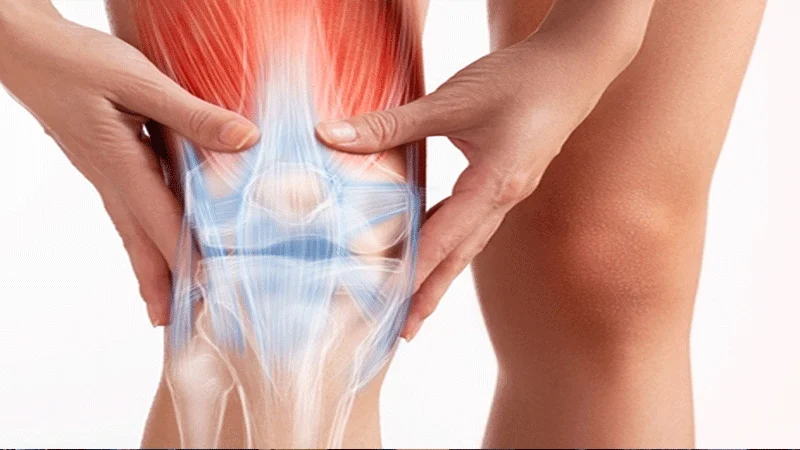
Almost everyone grows up hearing that drinking milk makes bones strong. Specialists say, however, that milk alone is not the answer: a balanced diet, adequate calcium, vitamin D and protein, and regular physical activity are the main keys to keeping bones healthy and strong over the long term.
According to specialists, the foundations of weak bones are laid long before any symptoms appear. Kate Ward, a professor of global musculoskeletal health at the University of Southampton in the United Kingdom, said the stronger the “bone reserve” built up in childhood and adolescence, the lower the risk of bone loss as a person ages.
Bone density naturally begins to fall with age. About 50 crore people worldwide currently have osteoporosis, a condition in which bone gradually becomes thin and brittle. Julie Thompson of the Royal Osteoporosis Society described it as a “silent disease,” because it usually produces no symptoms until something major such as a fracture occurs.
Hip fracture is a particular health risk among people over 55. More than one crore people worldwide are affected by it each year. Complications such as pneumonia or heart disease can follow a fracture. The risk rises further for women after the menopause, but men can develop osteoporosis too.
Bess Dawson-Hughes, a professor at Tufts University, said osteoporosis was once considered a women’s disease alone, but its incidence among men is now rising as people live longer.
What to eat for healthy bones
Milk, yoghurt and cheese. Dairy foods are among the best sources of calcium, protein and vitamin D. A 200-millilitre glass of milk contains about 260 milligrams of calcium. One study found that regularly eating more dairy food can cut the risk of falls among older people by 11 percent and the risk of hip fracture by up to 46 percent. Specialists say ordinary adults need about 700 to 1,000 milligrams of calcium a day. For women after the menopause the requirement can be as high as about 1,200 milligrams.
Soya and tofu. Calcium needs can be met even without dairy foods. Every 100 grams of tofu contains about 200 milligrams of calcium. Isoflavones, plant compounds found in soya, act in a similar way to oestrogen and may help maintain bone density, particularly in women after the menopause. Tempeh, a fermented soya food, also helps the body absorb calcium.
Chia seeds. Chia seeds contain calcium, magnesium, phosphorus and omega-3 fatty acids. A single tablespoon of chia seeds provides about 95 milligrams of calcium. Omega-3 can help slow bone loss by reducing inflammation in the body.
Dried fruit. Dried fruits such as prunes, figs and apricots contain calcium, magnesium and antioxidant-rich polyphenols. Research has found that women who ate prunes regularly for a year lost comparatively less bone.
Tinned sardines and salmon. Tinned sardines eaten with the bones are one of the best sources of calcium. Sixty grams of sardines contain about 240 milligrams of calcium. These fish also contain vitamin D and high-quality protein, which helps keep muscle as well as bone strong. Specialists say strong muscles reduce the risk of falling and therefore the risk of fracture.
Are supplements necessary?
Researchers say vitamin D or calcium supplements are not necessary for everyone. They should mainly be taken on a doctor’s advice by people who do not get enough calcium in their diet, or who are deficient in vitamin D through lack of sunlight.
Specialists warn that taking too much vitamin D can also be harmful and may increase the risk of falls. It is therefore better not to take more supplements than are needed.
Vegans should make sure to include calcium-rich green vegetables, sesame, pulses and calcium-fortified foods in their diet. Supplements can also be taken on a doctor’s advice if necessary.
According to specialists, the most effective way to keep bones healthy is to maintain a balanced and varied diet, take regular weight-bearing exercise and ensure adequate vitamin D. That can substantially reduce the risk of bone loss and fracture as a person ages.
বাংলায় মূল প্রতিবেদন পড়ুন · Read the original Bengali report