Snakebite is a significant public health problem in Bangladesh, with particularly high risk in rural areas and regions near farmland and wetlands. After a snakebite, a patient’s condition can worsen due to panic, visits to traditional healers or spiritual practitioners, cutting the wound, attempting to suck out the venom, or tying a tight cord around the limb. One key point to remember about snakebites: not all snakes are venomous, and not all venomous snakebites produce the same symptoms. Rather than guessing the type of snake and attempting home treatment, the victim should be taken quickly to a hospital equipped to provide emergency care and, if necessary, anti-snake venom.
What to do first after a snakebite
The first priority for the patient and those with them is to avoid panic and arrange to get to a medical facility quickly. Panic and unnecessary movement can speed up how quickly venom spreads through the body. The patient should be kept as calm and still as possible. If possible, immobilize the affected limb with a splint or other suitable support. The patient should not walk to the hospital; carrying them or using a stretcher is preferable if possible. Since the bite site may swell, any rings, bangles, anklets, or other tight-fitting items on the affected limb should be removed quickly.
What must never be done
Some commonly practiced methods after a snakebite can be extremely harmful.
* Do not tie a rope or tourniquet tightly around the limb. This can cut off blood flow, damaging tissue and even risking severe damage to the limb. Doctors specifically advise against applying force this way.
* Do not cut the wound with a blade or knife. This increases the risk of excessive bleeding, infection, and tissue damage.
* Do not try to squeeze the wound to force out venom.
* Do not try to suck the venom out with your mouth.
* Do not attempt treatment with black stones, herbal remedies, chemicals, fire, or hot objects.
* Do not delay going to the hospital by relying on traditional healers, spiritual practitioners, or incantations.
* Doctors advise avoiding wound-cutting, venom-sucking, “black stone” treatment, and other unproven methods, and getting the patient to a hospital quickly instead.
Caution on bandaging or applying pressure
Confusion often arises over the rules for using bandages after a snakebite. Applying a tight bandage is not safe or appropriate for every type of snakebite. In particular, for snakes whose venom causes severe local tissue damage and swelling, applying pressure incorrectly can cause harm.
After arriving at the hospital
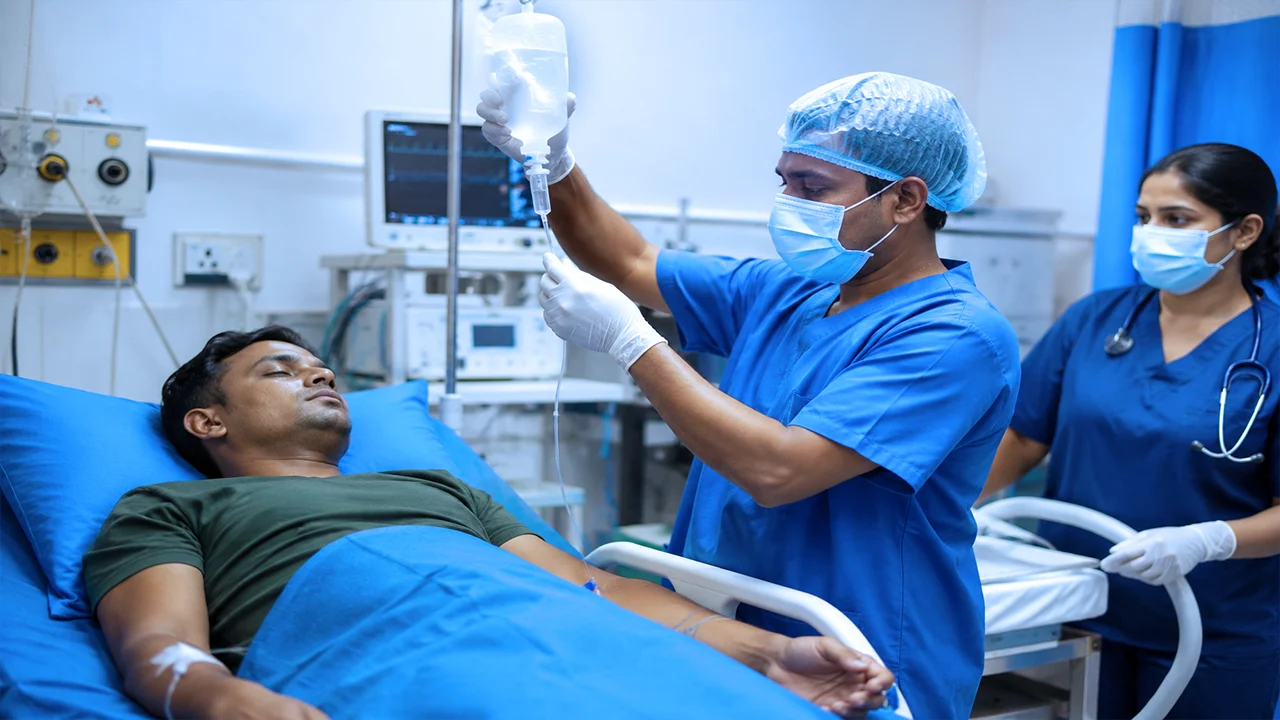
When a snakebite patient reaches the hospital, doctors first assess whether the patient’s life is in danger. Doctors typically:
* Check whether the airway is open.
* Monitor breathing and oxygen levels.
* Check blood pressure, pulse, and other vital signs.
* Assess the patient’s neurological condition.
* Examine the bite site and other parts of the body for swelling, bleeding, or tissue damage.
* Place an intravenous cannula if necessary.
* Run various blood and urine tests.
For neurotoxic venom, doctors specifically watch for signs such as drooping eyelids, difficulty speaking or swallowing, and weakening of the breathing muscles, since severe neurotoxic envenomation can cause breathing to stop, in which case rapid, life-saving intervention may be needed.
What kinds of envenomation can occur
The effects of snake venom vary by species. Among the medically significant snakes in Bangladesh and South Asia are cobras, kraits, and various viper species.
Neurotoxic venom
The venom of some snakes, such as cobras and kraits, primarily affects the nervous system and breathing muscles, which can be severe. Symptoms can include:
* Drooping or sagging eyelids.
* Double vision.
* Difficulty speaking or swallowing.
* Weakness in the facial and neck muscles.
* Progressive difficulty breathing.
* Respiratory paralysis in severe cases.
Rapid treatment is extremely important for such patients. Breathing support, including a ventilator, may be needed if necessary.
When antivenom is needed
Antivenom is the primary, life-saving specific treatment for snakebite. However, it does not mean every patient who has been bitten by a snake must receive antivenom.
When there is clinical evidence of envenomation, such as:
* Neurotoxic symptoms.
* Weakened breathing.
* Severe blood-clotting problems.
* Significant or progressive local swelling and tissue damage.
* Severe bleeding.
* Shock or a severe drop in blood pressure.
* Evidence of venom-related kidney damage.
the doctor decides whether to administer antivenom. The type, dose, mixing, and timing of repeat doses of antivenom cannot be specified the same way for everyone. These are determined based on the likely snake species, the type of envenomation, the patient’s clinical condition, the manufacturer’s guidance for the antivenom used, and local national treatment protocols.
বাংলায় মূল প্রতিবেদন পড়ুন · Read the original Bengali report