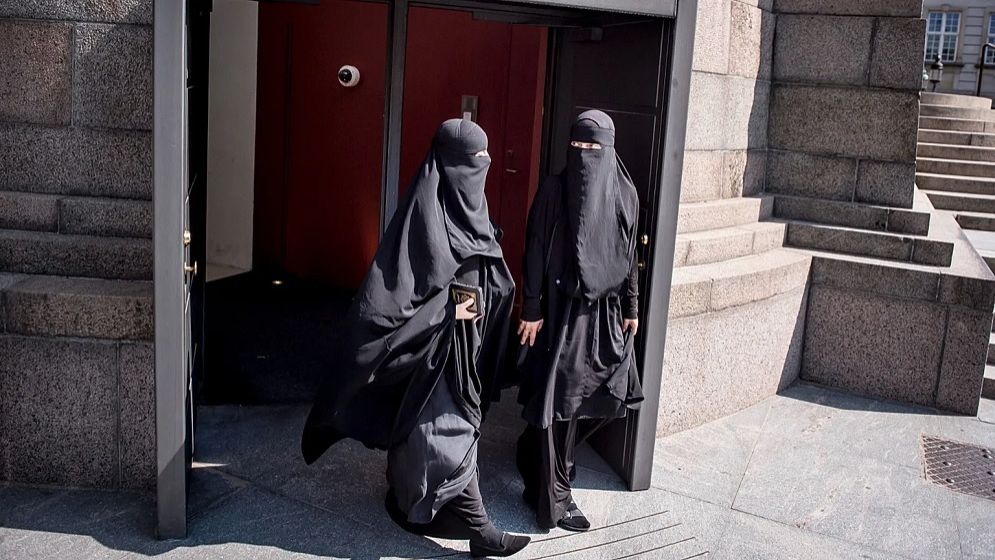
A new law banning face-covering clothing in public has taken effect in Portugal. The law has triggered widespread controversy, with critics saying it will affect Muslim women who wear the burqa and niqab.
Under the new law, wearing clothing that conceals one’s identity or obstructs identification in public can result in fines ranging from 150 to 3,000 euros. However, exemptions apply in certain cases, including for health, occupational, and artistic reasons, weather conditions, and places of religious worship.
Supporters of the law say it is necessary for public safety and identity verification. Rights activists, on the other hand, argue that the ban could harm religious freedom and women’s right to choose their own clothing.
Meanwhile, a similar proposal to ban the burqa and niqab is also advancing in Spain’s Balearic Islands. The country’s right-wing Vox party and the People’s Party first brought the proposal forward. It calls for fines of up to 30,000 euros for repeat violations, and a prison sentence of up to four years for forcing someone to wear such clothing.
As a result, the debate over burqa-niqab bans in Europe is intensifying further, centered on three overlapping issues: security, religious freedom, and women’s rights.
বাংলায় মূল প্রতিবেদন পড়ুন · Read the original Bengali report