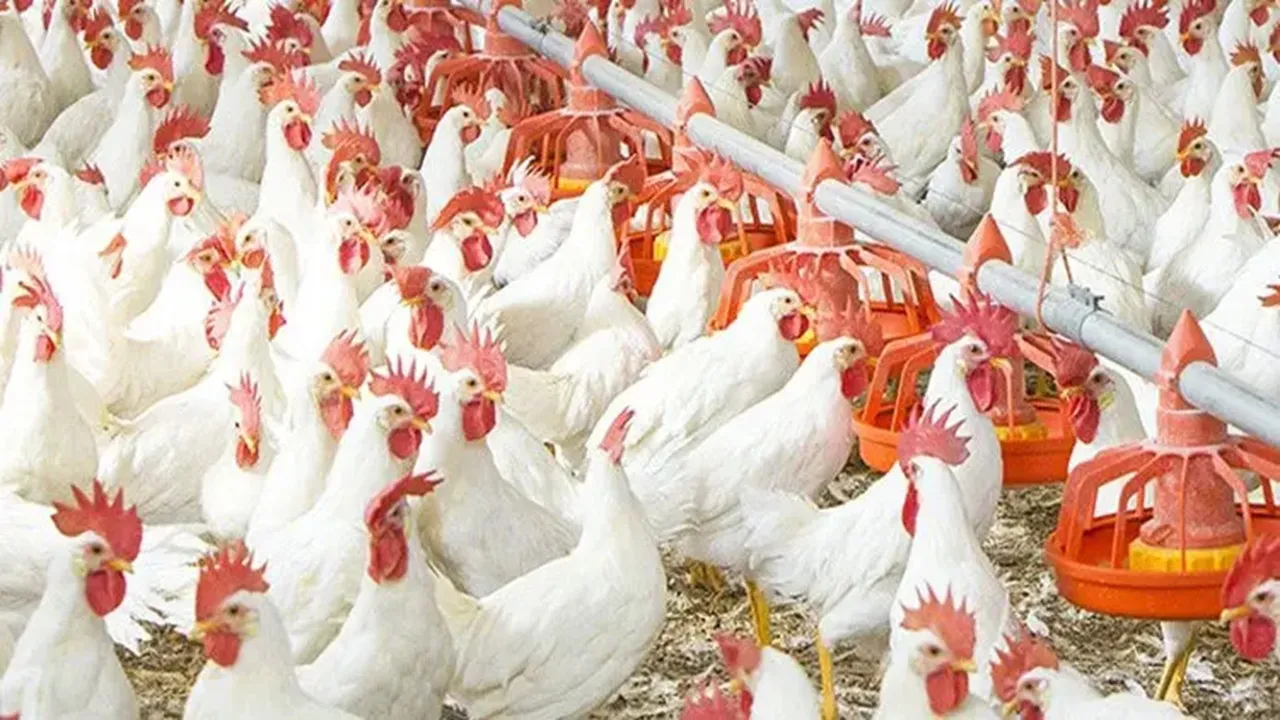
Antimicrobial “residues” have been found in poultry chicken meat from Bangladesh, India and Vietnam, according to a new study. The study, by London’s Royal Veterinary College (RVC), said some samples contained antimicrobials at levels above international standards. Various research institutions in South and South-East Asia collaborated on the study, the UK outlet Poultry News reported.
Antimicrobial resistance (AMR) has become a growing global public-health concern. The use of antimicrobial drugs in meat-producing animals is a root cause of the problem. If a set waiting period is not observed after the drugs are given to an animal, traces can remain in the meat even after slaughter, and these residues can pose health risks to people.
The United Kingdom and the European Union (EU) follow strict rules, so finding antimicrobials above safe limits is rare in these regions. But there is little data on how prevalent it is in the developing world, where awareness of antimicrobial presence is also low.
Against this backdrop, the Royal Veterinary College carried out the study, led by Ludovic Pelligand, professor of veterinary clinical pharmacology and anaesthesia. Staff from various research institutions in Bangladesh, India and Vietnam were also involved. As part of the study, 558 chicken breast samples from these countries were analysed in 2021-22.
The meat samples were sent to Nanyang Technological University in Singapore, where they were tested for 69 types of veterinary antimicrobial. EU standards were followed in the testing.
Some of the meat samples were taken from retail outlets and the rest from farms. The farm chickens were ready for sale. The study found that several samples contained antimicrobials above the safe limit.
Between 3.7 percent and 8.6 percent of samples from some retail outlets contained antimicrobials above the safe limit. In EU countries in 2021-22, the average rate was 0.05 to 0.09 percent.
Researchers say the rates found in developing countries suggest antimicrobial drugs may be applied even just before slaughter.
Professor Pelligand said: “We hope this study will raise awareness of antimicrobial residues in veterinary use and improve food safety at the local level.” The study was funded through the One Health Poultry Hub by the UK Research and Innovation Global Challenges Research Fund.
বাংলায় মূল প্রতিবেদন পড়ুন · Read the original Bengali report