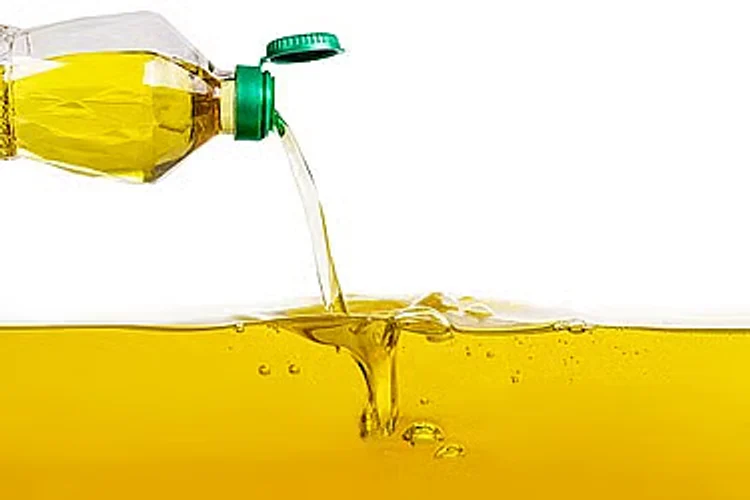
MRT Agro, a Mymensingh company, is producing oil from corn. Manufacturing oil from a new source like corn, the firm has won a contract to supply oil to the state-run Trading Corporation of Bangladesh (TCB).
It is to sell 20 lakh litres (2 million) of oil to the TCB. But a 10 percent VAT has created a complication: 17.5 taka in VAT must be paid per litre, pushing the company into losses. Operations have been partly suspended for two months and are on the verge of shutting down entirely, so MRT Agro wants the VAT withdrawn.
Company officials said the oil’s production cost was 170 taka, and that with all costs it was now having to subsidise 20 taka per litre — an unsustainable position. The company has already supplied about 15 percent of the total contract, or 3 lakh litres (300,000).
MRT Agro director Rafiqul Islam said the market price of corn oil was 190 taka a litre, and that it was no longer possible to keep the business running while subsidising every litre. If the problem was not solved, the company would have to shut down completely in two months, he said. As a local producer it should not have to pay VAT, he said, but because the oil is not named in the relevant statutory regulatory order (SRO), it is not being given the VAT exemption.
Commerce ministry’s recommendation
It is not only MRT Agro: the commerce ministry and the TCB have also written to the National Board of Revenue (NBR) recommending the VAT be withdrawn, in a letter on 20 July. The oil producer had written to the commerce ministry on 9 June.
The letter said the supply price had been set at 175 taka per litre, and that 15 percent of the oil had been supplied on that basis. But when it came to drawing the bill, it emerged that VAT would be deducted at 10 percent per litre, bringing the price down to 157 taka a litre — a loss-making level.
According to the company, palm oil costs 185 taka a litre, so it is not possible to supply corn oil at 157 taka. It therefore demanded a VAT withdrawal like that for rice-bran and mustard oil, arguing this would boost domestic firms’ oil-production capacity and cut import dependence, and encourage many new firms to take up corn-oil production.
Agricultural extension officials also see potential in corn oil. As corn output rises in the country, oil produced from it will reduce import dependence, they say.
Kamrul Islam, an agriculturist at the Department of Agricultural Extension, said corn oil’s nutritional value was similar to that of other oils, with saturated and unsaturated fatty acids on par with soybean and sunflower oil. If its marketing was sorted out, the product had good prospects, he said.
TCB and ministry also want VAT withdrawn
Besides MRT Agro, the state-run TCB and the commerce ministry have written to the NBR recommending the VAT be withdrawn.
A letter signed by the TCB chairman said VAT could be withdrawn to develop domestic industry and create investment opportunities for local businesses, which would cut import dependence and create jobs. Without VAT, corn oil would also be cheaper than rice-bran oil, it said. The TCB could not be reached for an official comment.
The commerce ministry’s letter, meanwhile, requested, on instruction, that VAT be withdrawn at the production and trading stages for oil produced in the country. The TCB needs about 12 crore litres (120 million) of oil each month; in the last fiscal year, a decision was taken to procure 20 lakh litres of corn oil for the first time.
With the budget already passed, however, such a concession is now difficult, the NBR says. Asked about the overall matter, an official of the relevant department, speaking on condition of anonymity, said many such recommendations were taken up at budget time, but that it was difficult to accept such a proposal now; a decision would be taken after reviewing the matter.
বাংলায় মূল প্রতিবেদন পড়ুন · Read the original Bengali report