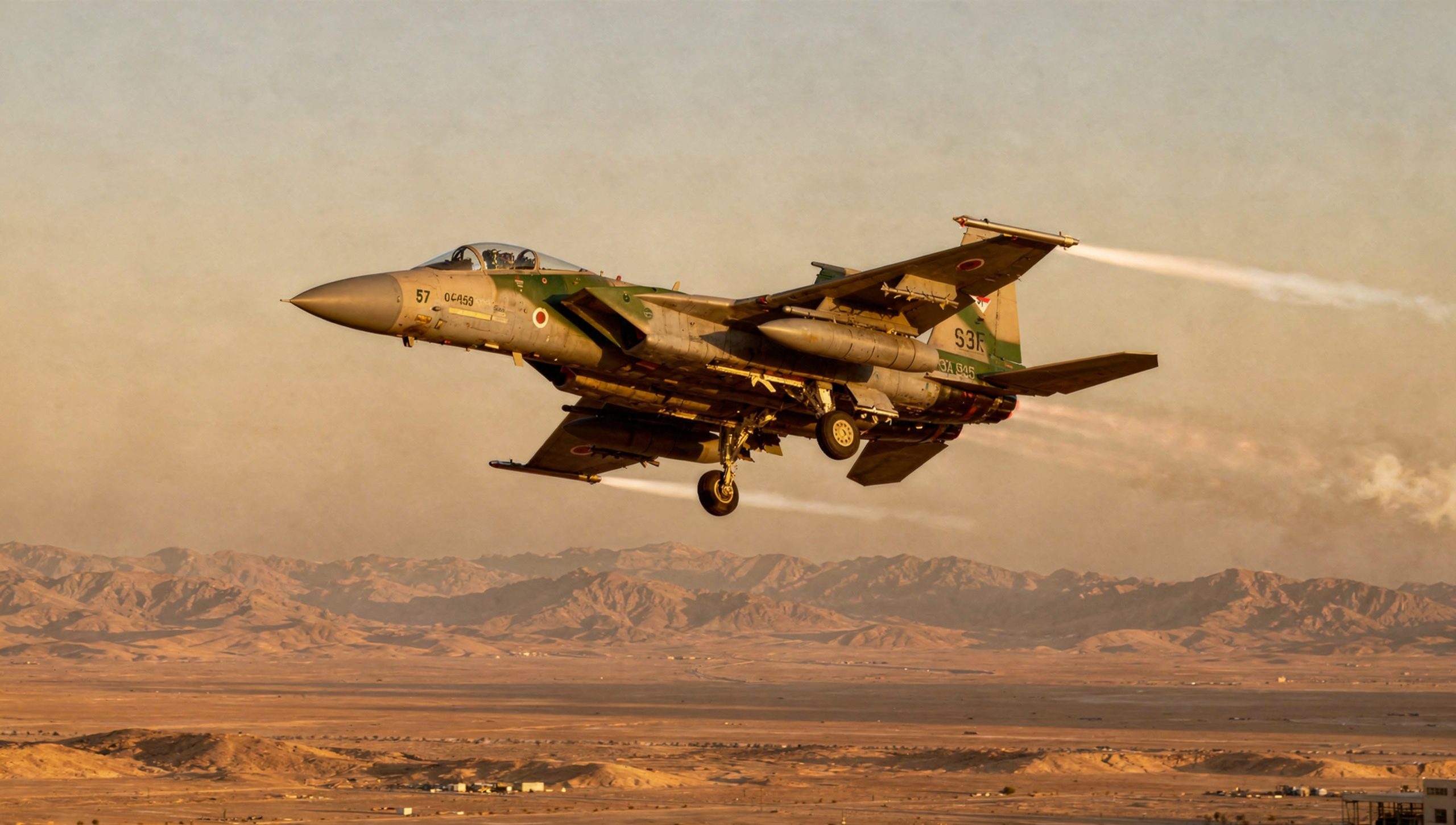
RIYADH — Saudi Arabia conducted a series of covert airstrikes on Iran in late March in retaliation for attacks on Saudi territory during regional fighting, Reuters reported, citing multiple sources.
The strikes marked the first confirmed instance of Saudi Arabia carrying out a direct military operation on Iranian soil and represent a significant shift in Saudi policy in the Gulf, according to the report. On Feb. 28, the United States and Israel launched airstrikes on Iran. In the weeks that followed, Iran fired missiles and drones at the six member states of the Gulf Cooperation Council (GCC), damaging U.S. bases, civilian areas, airports and oil infrastructure, and triggering a closure of the Strait of Hormuz that disrupted global trade.
Saudi Arabia, a close military ally of the United States, found itself exposed to attack as the U.S. security umbrella did not fully shield it, the report said. Citing a Western official, Reuters said the Saudi air force strikes were retaliatory counterstrikes. The Wall Street Journal separately reported that the United Arab Emirates also carried out military strikes on Iran. The actions of the two Gulf states indicate that tensions with Iran spread on both overt and covert tracks. Saudi Arabia kept lines of communication with Iran open even as it sought to manage the situation.
The Saudi government also notified Iran about the strikes, which led to increased diplomatic exchanges between the two countries and warnings about further retaliation, the report said. The exchanges produced an informal understanding to gradually wind down tensions. Ali Vaez, Iran project director at the International Crisis Group, said the de-escalation after the Saudi counterstrikes reflects a pragmatic decision by both sides. The arrangement is based not on trust but on a shared interest in keeping the conflict in check so it does not spiral into a wider regional war, he said.
According to the report, Saudi Arabia faced more than 105 drone and missile attacks during the week of March 25 to 31. That number fell to just over 25 between April 1 and April 6. On March 19, in a Riyadh news conference, Saudi Foreign Minister Prince Faisal bin Farhan said the kingdom reserved the right to take military action if necessary. Saudi Arabia later expelled several Iranian diplomats. A senior Saudi Foreign Ministry official said the country will continue to support de-escalation, restraint and stability, which are essential for regional security and prosperity.
বাংলায় মূল প্রতিবেদন পড়ুন · Read the original Bengali report