Months of continuous conflict in the Middle East have sharply reduced the Pentagon’s stockpile of missile-defense interceptors, and US military planners have begun reconsidering whether they can sustain the current tempo of counterstrikes and operations.
The information emerged in a report by the US network Fox News.
According to data compiled by the Washington-based think tank the Center for Strategic and International Studies (CSIS), the United States held roughly 2,300 Patriot interceptors before the conflict began. That stock has now fallen alarmingly to below 827.
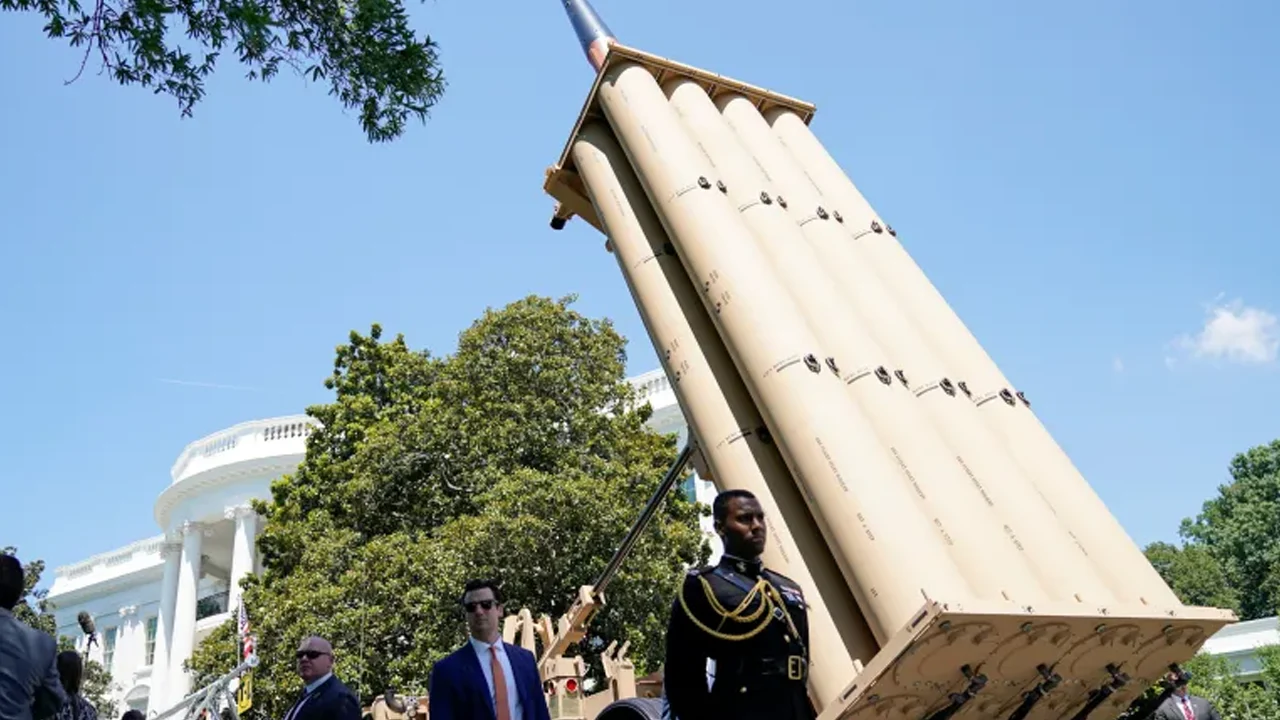
The stockpile of another advanced US system, the Terminal High Altitude Area Defense (THAAD), has also fallen rapidly — from 452 THAAD missiles previously to below 278 now.
CSIS warned that replenishing this critical shortfall could take the United States at least three years. As a result, acute concern has arisen over its ability to guarantee the safety of American military personnel and bases should a new crisis suddenly erupt in the Pacific region or elsewhere in the world.
To ease the crunch, the Pentagon has proposed a $67 billion emergency fund for the 2026 fiscal year. Of that, at least $18.2 billion would be spent on restocking Patriot missiles, the navy’s Tomahawk cruise missiles and the THAAD system.
The report also said the Pentagon’s preliminary fiscal 2027 budget emphasizes lower-cost weapons. Nearly half of all the munitions proposed are relatively inexpensive types, each priced at $600,000 or less.
বাংলায় মূল প্রতিবেদন পড়ুন · Read the original Bengali report