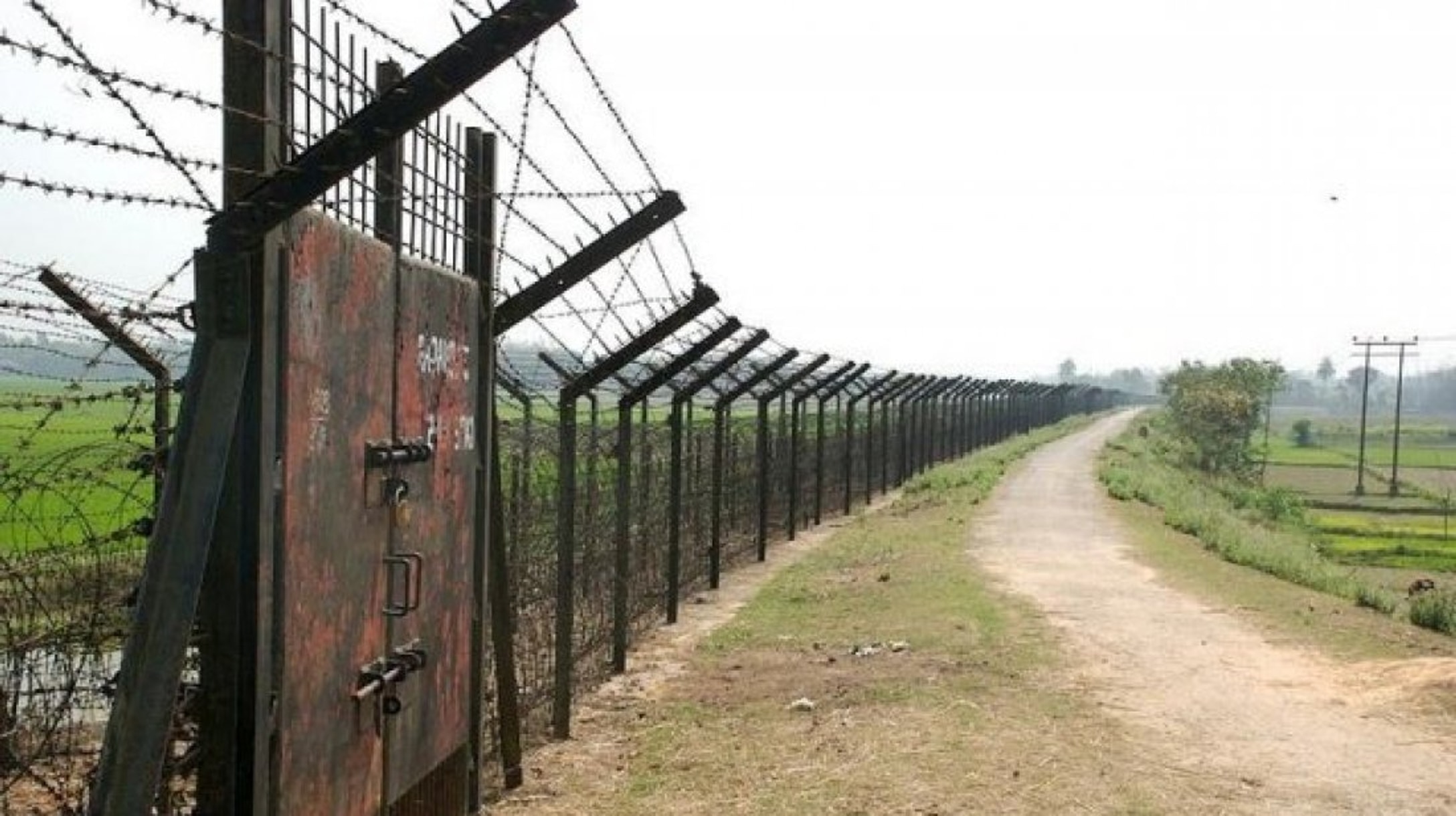
NEW DELHI — Indian authorities have taken up a controversial plan to release crocodiles and venomous snakes along sections of the Bangladesh border where barbed-wire fencing cannot be erected, in what is being called a “natural barrier” measure to deter infiltration and smuggling through riverine areas.
Analysts and rights activists have expressed concern over the Indian government’s plan to deter refugees and migrants. Anshuman Choudhury, who researches India’s northeastern and eastern border states, said the plan was completely irrational. “Let us say venomous snakes or crocodiles are released. But how will these animals distinguish between a Bangladeshi and an Indian?” he said.
According to Choudhury, the move would amount to extreme cruelty against undocumented migrants. It is essentially a new method of weaponizing nature and animals against humans, which can be called “biopolitical” violence. Choudhury told Al Jazeera that rivers are the weak points along the India-Bangladesh border. Building permanent fencing along river routes is virtually impossible. This long-standing recognition by the Border Security Force (BSF) is behind the plan.
India shares a 4,096-kilometer border with Bangladesh, parts of which are in highly inaccessible areas. New Delhi says it is nearly impossible to build permanent fencing along several stretches of this long border. On March 26, India’s Border Security Force (BSF) sent an internal communication to its eastern and northeastern front headquarters directing them to examine the “feasibility of reptile deployment” along unfenced riverine sections of the border.
But if implemented, the plan could pose severe security risks to local residents on both sides of the border. Ordinary people who depend on the rivers could lose their lives. Releasing large predators artificially in a specific area also risks throwing the ecosystem out of balance.
‘No sense in pushing them to the crocodiles’
Rathin Barman, head of strategy and liaison at the Wildlife Trust of India, told Al Jazeera that crocodiles do not live in the riverine areas of the India-Bangladesh border. If these animals are brought to the border, they will not survive.
“First, these animals will die quickly. The same applies to the so-called venomous snakes,” Barman said. The wetlands along the border are often flooded, raising the risk that venomous snakes could spread into populated areas. That would put local residents, especially those who fish for a living, at risk, he said.
Indian human rights activist Harsh Mander said such a policy reflects the cruelty of the Indian state. There can be no rational justification for pushing a migrant in a river to crocodiles, snakes or guns, he said.
What is behind the plan?
The India-Bangladesh border areas run alongside the states of West Bengal, Tripura, Assam, Meghalaya and Mizoram. New Delhi has already built barbed-wire fencing along about 3,000 kilometers of the border. The remaining sections are mainly wetlands and riverine areas where populations live on both sides of the border.
The government of Prime Minister Narendra Modi has long maintained that undocumented migrants pose a major threat to India. The government says these migrants are changing India’s demographic composition.
According to human rights observers, the Modi government has used this narrative as a shield to harass India’s religious minorities, particularly Bengali Muslims in the country’s east and northeast. There have been reports of BSF officers forcing Indian Muslims into Bangladesh at gunpoint.
There are no official figures on the number of undocumented migrants currently in India. Human rights activist Harsh Mander said that even if the number of undocumented migrants had grown, India should have negotiated with the Bangladesh government and handed them over through legal processes. But India has now chosen “extrajudicial methods” to deal with them.
Rights activists allege that the Indian government conflates ordinary minorities, particularly Muslims, with migrants, and has taken up this new plan as a pretext to mistreat them.
Any precedent in the world?
There is no modern precedent in the world for deploying natural predators to guard international borders. After becoming president for the first time, Donald Trump was said to have discussed such an idea in the United States.
Reports at the time said Trump had spoken about plans to dig trenches at the border filled with snakes or alligators. But Trump denied the reports, calling them “fake news.” He said at the time, “I can be tough on border security, but not that tough.”
বাংলায় মূল প্রতিবেদন পড়ুন · Read the original Bengali report