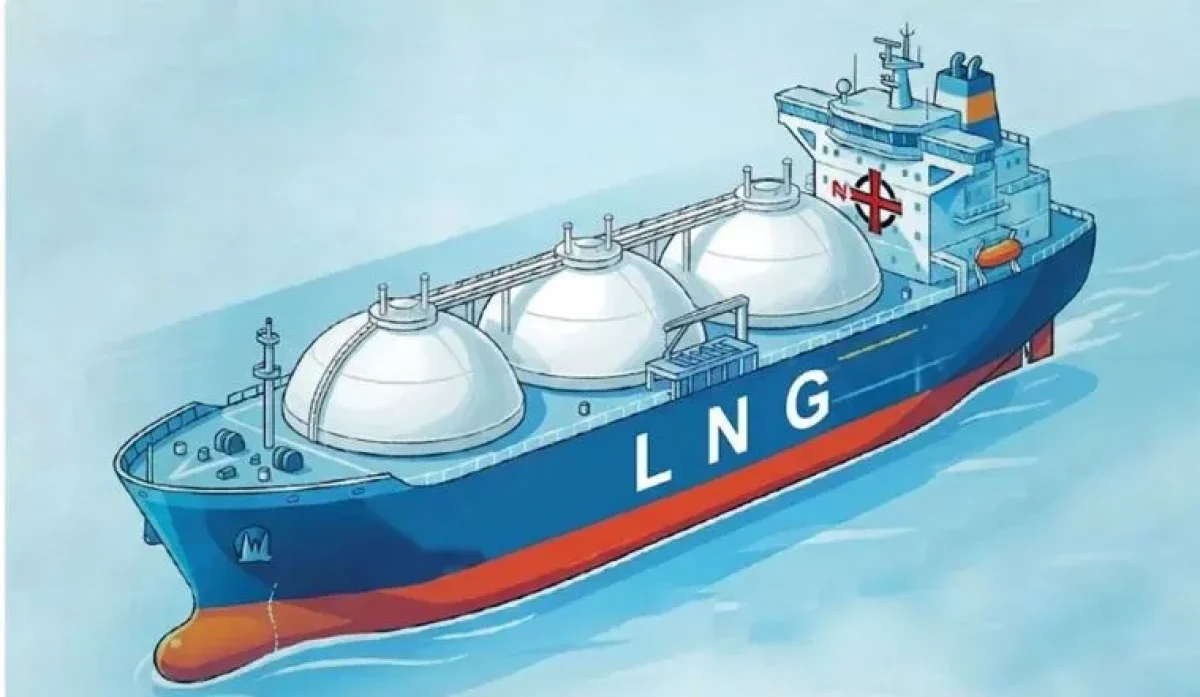
In the first two and a half months of the current fiscal year, the government had to provide Tk10 thousand 300 crore in subsidies to the liquefied natural gas, or LNG, sector. Yet only Tk6 and a half thousand crore had been allocated for the sector for the entire fiscal year.
The pressure has been created because LNG has had to be bought at higher prices from the spot market due to the war in the Middle East and disruptions in supply under long-term contracts.
Alongside LNG, the government’s financial pressure is also increasing in the fuel oil and power sectors.
Over the past six and a half months, Bangladesh Petroleum Corporation, or BPC, has incurred losses of Tk22 thousand 875 crore. Although fuel oil prices were raised by Tk20 per liter on September 20, diesel is still being sold at a loss of about Tk70 per liter.
Because prices of coal, furnace oil and LNG have risen, losses in the power sector in the current fiscal year may exceed Tk60 thousand crore, it is feared.
According to Petrobangla, additional spending in the LNG sector over the past six and a half months, beyond the designated subsidy, has amounted to another Tk17 thousand 400 crore.
People concerned say that if the current fuel price and supply situation in the international market continues, spending on LNG imports in the current fiscal year could exceed Tk90 thousand crore. This could increase the government’s subsidy requirement several times.
Petrobangla director for finance AKM Mizanur Rahman said, “Because of the impact of the war, an additional Tk17 thousand 400 crore has been spent over the past six and a half months beyond the designated subsidy. In addition, about Tk10 thousand 300 crore in subsidies has been received for LNG over the past two and a half months.”
Bangladesh’s LNG imports depend on the spot market as well as long-term contracts. Because of supply disruption caused by the Middle East war and the suspension of LNG supply from Qatar under long-term contracts, gas has to be bought from the spot market at higher prices. Although LNG was bought at $10 to $12 per MMBtu at the beginning of this year, the price rose to about $30 in September.
State Minister for Power, Energy and Mineral Resources Anindya Islam Amit said, “To manage the energy crisis, the government is being forced to buy LNG from the spot market at higher prices. Because long-term contract suppliers declared force majeure, LNG has to be bought from the spot market. Although this increases costs, the government is taking the risk considering people’s suffering and damage to industries and factories.”
Meanwhile, BPC’s losses cannot be fully handled even after raising fuel oil prices. During the price adjustment on September 20, BPC and the Energy Division said importing diesel costs an average of about Tk205 per liter. After the new price adjustment, diesel is being sold in the country at Tk135. As a result, the loss is about Tk70 per liter.
BPC chairman Dr Md Rafiqul Islam said the organization’s average monthly loss over the past six and a half months has been about Tk3 thousand 800 crore. Alongside higher oil prices in the international market, import costs including freight and premiums have also risen. The Tk20 price increase may cover about one-fourth of BPC’s losses.
State Minister Anindya Islam Amit said BPC incurred losses of Tk22 thousand 875 crore from March to August because fuel oil prices were not adjusted. Without price adjustment, the government’s loss on diesel alone in one year would have been about Tk40 thousand crore, and including all types of fuel oil it would have stood at about Tk50 thousand crore.
Cost pressure is also rising in the power sector. Because of the gas shortage, the use of furnace oil in power generation has been increased. Recently, a decision was taken to generate up to 4 thousand megawatts of electricity from furnace oil-fired plants. Coal prices and transport costs have also risen. As a result, Bangladesh Power Development Board, or BPDB, fears that the power-sector loss estimate of Tk45 thousand crore for the current fiscal year could rise above Tk60 thousand crore.
Energy experts say that if international fuel prices and the supply situation do not normalize, the government will have to handle additional pressure from subsidies and losses at state agencies. In the long term, they advised increasing the use of electricity in transport and agriculture and expanding solar power-based systems to reduce import dependence.
বাংলায় মূল প্রতিবেদন পড়ুন · Read the original Bengali report