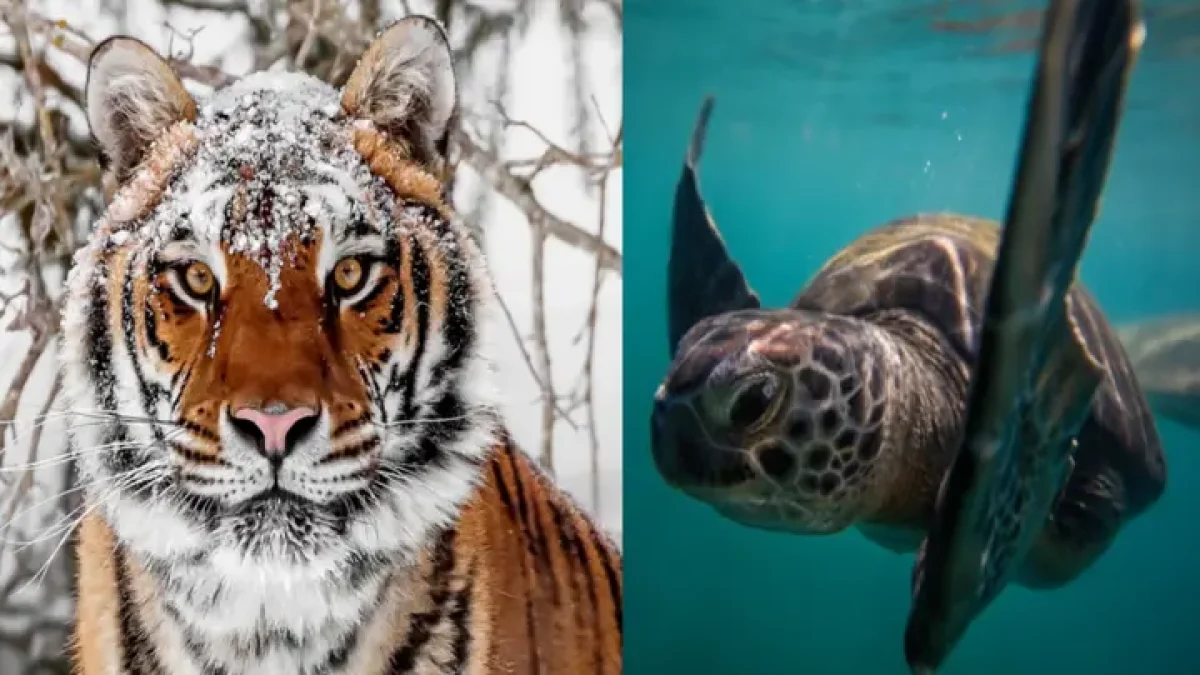
The World Wildlife Fund (WWF) has called for major changes in the way food is produced in order to halt the collapse of biodiversity worldwide. A new report by the organisation says wildlife numbers are falling at an alarming rate, and that if this continues it could have a major effect not only on the environment but on the world economy, food security and people’s lives.
According to WWF’s Living Planet Report for 2026, the average size of monitored populations of wild vertebrates fell by 73% between 1970 and 2022. The figure is based on an analysis of 35,803 populations of 5,790 vertebrate species.
The situation is worst in Latin America and the Caribbean, where the average size of land and freshwater wildlife populations fell by 95% between 1970 and 2022. The decline was 80% in Africa and 49% in Asia-Pacific. It was 23% in Europe and Central Asia and 28% in North America.
By ecosystem, freshwater animals have suffered most. The average size of monitored populations of river and lake animals has fallen by 85%. For land animals the decline is 69% and for marine animals 59%.
WWF says the biggest driver of biodiversity loss is the destruction and degradation of habitat caused by food production and the expansion of farming. Overhunting and overharvesting, climate change, pollution, invasive species and diseases add to the pressure on nature. In the organisation’s view, the way the world produces and consumes food is the single biggest cause of biodiversity loss.
The report says the loss of nature is no longer only an environmental crisis; it also poses a major risk to the global economy. About half of the world economy, or activity worth about $58 trillion, depends in one way or another on nature and the services it provides. A widespread collapse of species and ecosystems could therefore threaten economic stability, geopolitical security and human wellbeing.
Tanya Steele, chief executive of WWF-UK, said the loss of nature is not only a crisis for wildlife; it is already affecting food security, water supplies, the economy and the ability to withstand climate shocks. In her view the world now stands at a point where it will either go on paying the rising price of nature’s loss, or invest in nature’s recovery and build a future in which people and wildlife live side by side.
The organisation says efforts must be stepped up for nature-friendly farming, cutting food waste and ending the destruction of forests and habitats. Large companies must also adopt credible plans to protect the climate and nature, and investment must be directed to activities that help restore nature instead of destroying it.
বাংলায় মূল প্রতিবেদন পড়ুন · Read the original Bengali report