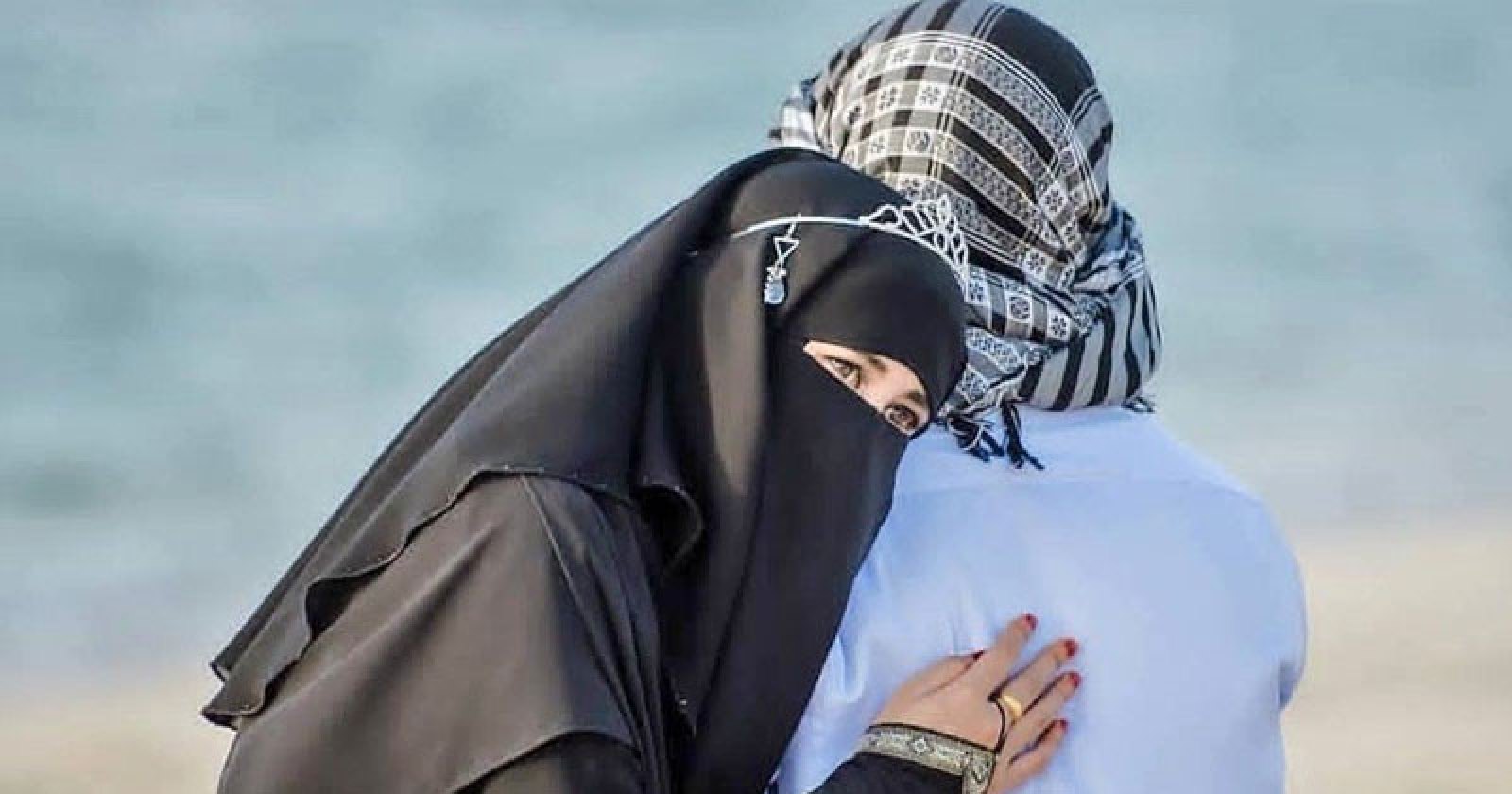
Is purdah limited to what a woman wears, or does it also cover how a man looks and behaves? In our society, whenever purdah comes up, the talk almost always turns to women’s clothing, movement and modesty. Yet in Islam the rule of purdah applies to men and women alike. In the Holy Quran, Allah first addresses men with a clear instruction on modesty.
Allah says in the Holy Quran: “Tell the believing men to lower their gaze and guard their private parts.” (Surah An-Nur, 30) The next verse turns to women: “And tell the believing women to lower their gaze and guard their private parts, and not to display their adornment.” (Surah An-Nur, 31) The order of these verses makes plain that building a decent society begins with the restraint of men’s eyes and is completed by women’s modesty. The duty of purdah, in other words, is not women’s alone; men too must keep their gaze and conduct in check.
A real example comes from the Farewell Pilgrimage. Fadl ibn Abbas (may Allah be pleased with him) was riding on a camel behind the Prophet (peace be upon him). When a very beautiful woman of the Khath’am tribe came to ask the Prophet a religious question, Fadl kept looking at her. The Messenger of Allah turned Fadl’s face the other way. (Sahih al-Bukhari, hadith 1513) The episode shows that the Prophet took care to teach men to restrain their gaze towards women.
In a hadith narrated by Jarir ibn Abdullah (may Allah be pleased with him), he asked the Messenger of Allah about a sudden, unintended glance at a woman, and was told to turn his eyes away. (Sahih Muslim) In the same way, the Prophet told Ali (may Allah be pleased with him) not to follow one glance with another, because a first, unintended look and a second, deliberate one are not the same. (Sunan Abu Dawud) These teachings make clear how much weight is placed on men keeping their gaze in check.
Picture a common scene. A woman is walking down the street in modest clothes, and a man calls out a crude remark at her or treats her with disrespect. The question then is whether the lesson of purdah lies only in her clothing, or whether it should also show in that man’s eyes and conduct. Islam teaches that every person is answerable for their own actions. A woman’s clothing can never be an excuse for someone else’s misconduct.
Sadly, in our society it is often the woman who faces criticism if she does not observe purdah, while men’s part in leering, crude comments and harassment is largely ignored. Purdah is not just an outer covering; it includes restraint of the gaze, decency, self-control and moral conduct. Just as a woman keeps purdah by staying modest, a man keeps it by restraining his gaze and protecting a woman’s dignity.
So the discussion of purdah should rise above one-sided criticism. Men’s gaze, conduct and moral responsibility deserve the same attention as women’s clothing. Purdah is not a rule imposed on one sex; it is a lesson in self-restraint, decency and purity for men and women both. A society that watches women’s purdah closely but stays silent about men’s restraint has not taken in what purdah truly teaches.
বাংলায় মূল প্রতিবেদন পড়ুন · Read the original Bengali report