The number of nursing institutions in the country has grown, but the quality of the education they give is in question. Their curricula have not been drawn up to international standards, and they cannot guarantee proper training and skills. This shows in nurses’ working lives: there are complaints of unprofessional behaviour and neglect of duty. A lack of skills also means they cannot win openings in labour markets abroad.
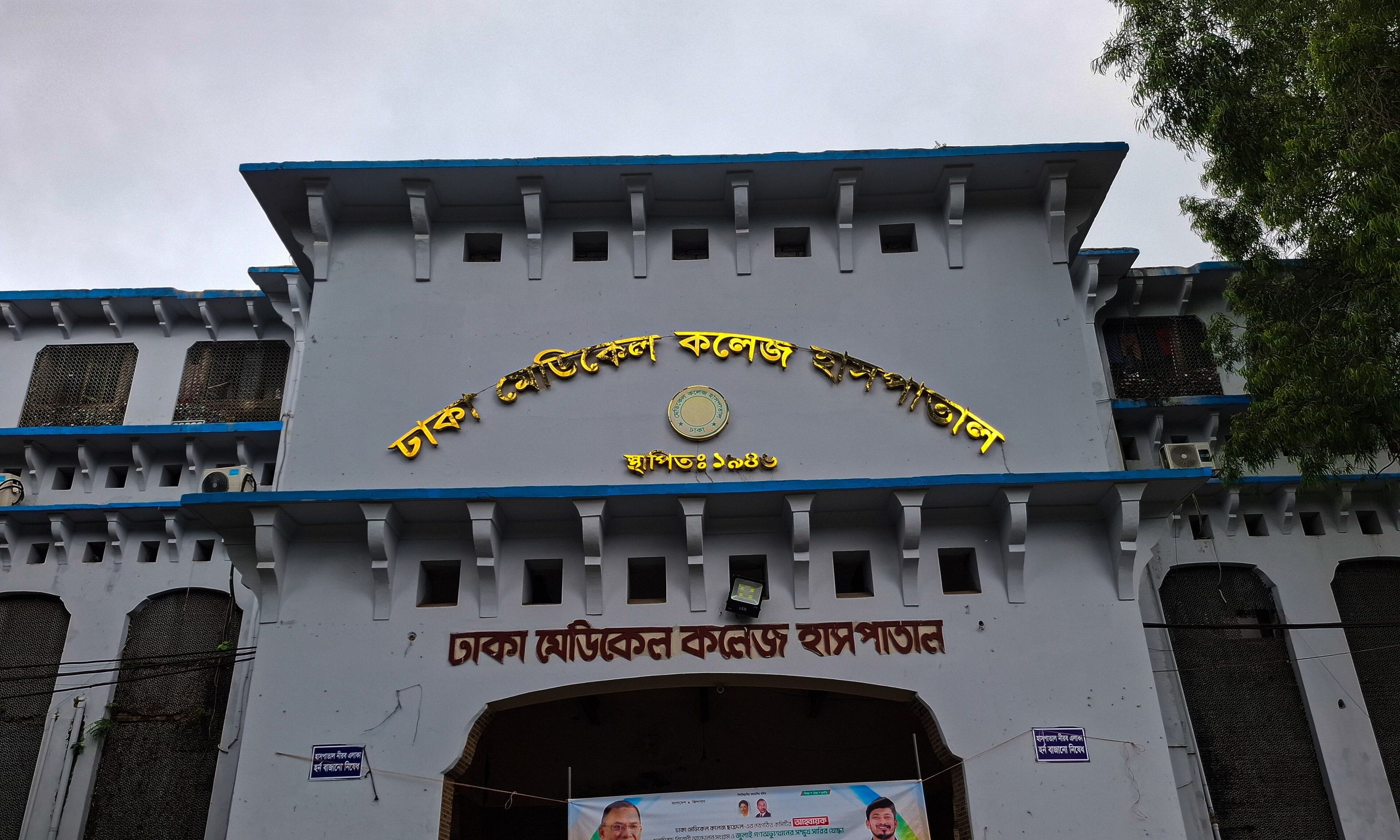
Dhaka Medical College and Hospital is the country’s largest healthcare institution. It has about 2,600 nurses against some 3,200 doctors. International standards call for three nurses for every doctor, which means the hospital needs about 9,600 nurses: a shortfall of about 73 percent.
The picture is not confined to Dhaka Medical. Many government and private hospitals in the country have fewer nurses than they need, so the workload on those in post is rising. On top of that come a poor working environment, limited chances of promotion, a lack of skilled staff and inadequate pay.
Patients’ relatives are unhappy with nurses’ service in government hospitals. There are complaints of unprofessional behaviour, lack of skill and neglect of duty, and of nurses not responding even when called several times. Sometimes there are serious incidents, such as avoidable deaths from wrong care. So while staff shortages are putting pressure on nurses, questions are also being raised about the quality of their care.
According to the Bangladesh Nursing and Midwifery Council, there are 1,53,613 nurses, midwives included, against 1,36,793 registered doctors in the country. International standards call for 4,10,379, which leaves a shortfall of 2,56,766, or 62.6 percent.
There are 44,858 nurses in government service. The rest work in the private sector or are unemployed. There are currently 1.12 nurses for every doctor.
Against the population the situation is more worrying still. The World Health Organization (WHO) standard is 23 nurses for every 10,000 people; Bangladesh has only about six, against some 42 in Nepal and 50 in the Maldives. In South Asia only Pakistan and Afghanistan have fewer nurses than Bangladesh.
A survey by the Society for Nurses Safety and Rights (SNSR), which works on nurses’ protection and rights, found that 92 percent of working nurses suffer from some kind of mental health problem, and 96 percent are paid less than their work merits.
People in the sector say the shortage of nurses is affecting the quality of healthcare. Nursing schools have multiplied but the quality of the teaching is in question. Many posts in government hospitals are vacant and are not being filled for want of an effective plan for recruiting the staff needed and of regular recruitment. If proper training and skills could be ensured, this workforce could meet the country’s needs and also find openings in the international labour market.
More institutions, no smaller shortfall
Opportunities for nursing education have grown in the past decade and a half. The government has given the nursing profession second-class status and also created first-class posts. More than 36,000 students enrol in nursing each year, but a large share remain out of work after training. Some find jobs in private hospitals but lose interest because of low pay and the limits of their skills.
According to the Bangladesh Nursing and Midwifery Council, there are now 464 nursing institutes and colleges in the country, against 87 in 2010. The number has grown more than fivefold in 15 years, but the shortage of nurses has not come down in proportion.
According to the nursing institutions, about 50,000 nurses who have passed their professional exams are waiting for government jobs. In the council’s professional registration exam for nurses on 25 September, 21,624 sat. Even if 70 percent pass, the number of unemployed nurses will exceed 65,000. According to the report of the former interim government’s Health Sector Reform Commission, only 56,734 nurses are working in the country, a shortfall of about 82 percent against need.
A senior nurse at Dhaka Medical College Hospital, speaking on condition of anonymity, said a nurse who should look after six patients often has to take charge of 30 to 40, or even a whole ward. That makes it impossible to give each patient enough time, leaving patients dissatisfied and the quality of care damaged. Nurses also have to carry out specialised duties at various stages of treatment, but many lack the knowledge and training for them.
Asked about the complaints against nurses, Sabbir Mahmud Tihan, secretary general of the SNSR, said the country does not have enough nurses. One nurse cannot give equal care to 20 to 25 patients at once. Nurses in Bangladesh are also paid less than in developed countries. Doing extra duties leaves them with physical and mental health problems, but their pay and promotion do not follow. A nurse who enters government service as a senior staff nurse at the 10th grade retires at the same grade and post. Most nurses have no housing either. If enough nurses were recruited, patients would get good care and fewer would go abroad for treatment.
Bangladesh lags in nursing
Khan Md Golam Morshed, a former president of the Bangladesh Nurses Association (BNA), believes nursing in Bangladesh differs greatly from nursing abroad. In his view, reform of the education structure is urgently needed to improve the quality of nursing care. Nursing institutions have multiplied, but 20 percent have no policy guidelines. Almost every country abroad bases its curriculum on European standards, but Bangladesh has not. The curriculum was drawn up on the Indonesian model by unskilled nurses and does not meet international standards. At present no nursing institution has even an associate or assistant professor, let alone a professor. The education system must therefore be built to global standards.
He said the state has no long-term plan to end the nurse shortage. Bureaucratic hurdles and a lack of language skills are major barriers to working abroad. So, alongside an education system of international standard, the pay structure must be reconsidered and promotion, proper recognition and respect ensured.
Proposal to fill 914 vacancies
The Ministry of Health and Family Welfare has sent a proposal to the Bangladesh Public Service Commission (PSC) for the direct recruitment of 914 people to vacant midwife posts (10th grade) in hospitals and health facilities around the country. The letter was sent to the PSC on 5 October. It says there are 1,015 vacant midwife posts under the directorate; keeping 10 percent of them in reserve, recruitment is being arranged for 914.
Dil Afroza, director general (additional secretary) of the Directorate General of Nursing and Midwifery, said there are very few nurses relative to the population and the number of patients, so the workload is heavy. Nurses cannot be produced overnight; it takes time. But to produce skilled, good-quality nurses the focus is on the number of teachers, laboratories and classes. Work is under way to tackle the shortage, she said.
বাংলায় মূল প্রতিবেদন পড়ুন · Read the original Bengali report