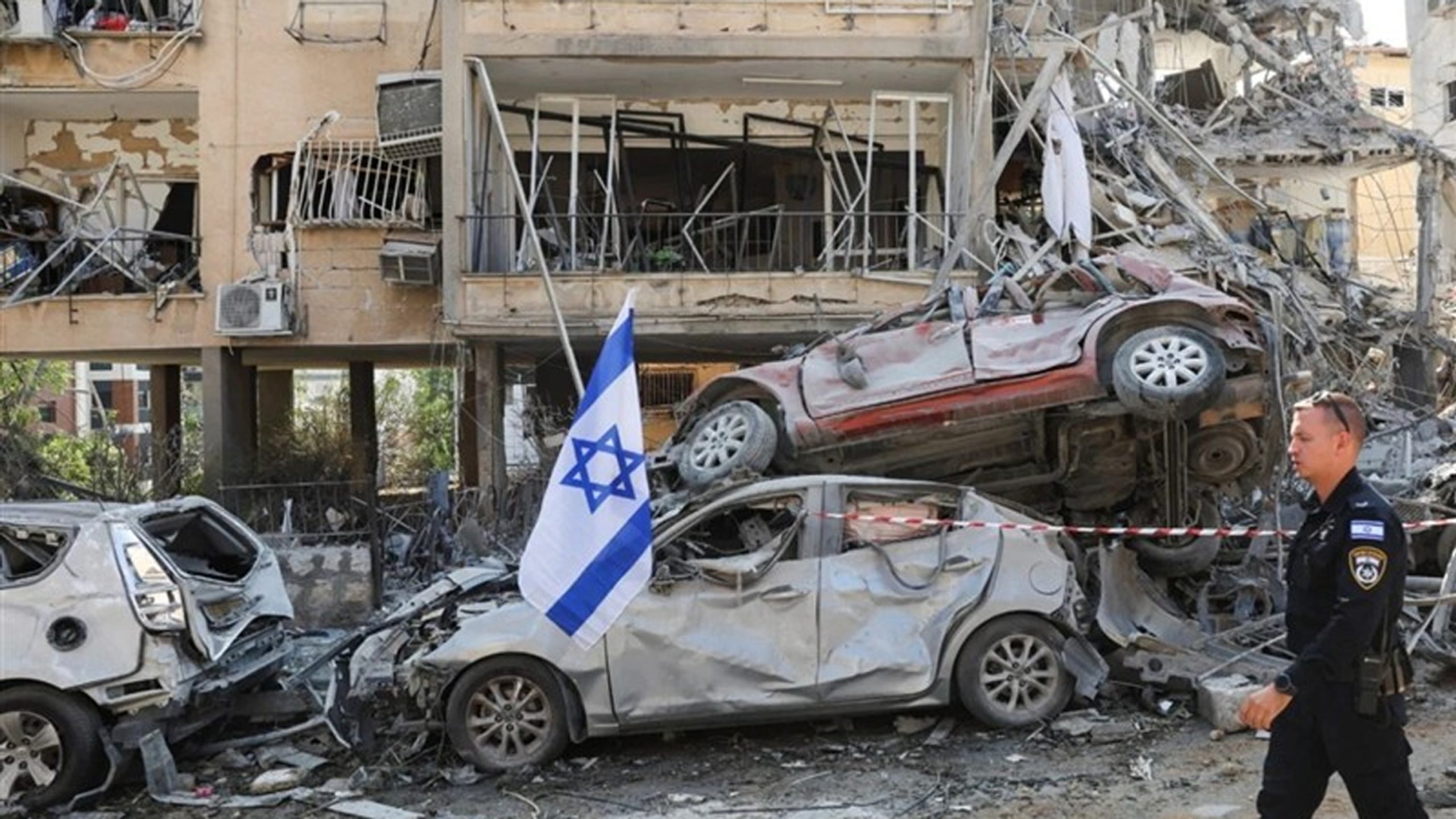
TEL AVIV — Israel is facing a severe economic crisis after three years of aggressive war policies under Prime Minister Benjamin Netanyahu, according to recent statistics and reports in international media. From 2023 through 2026, the financial cost of the ongoing conflict is expected to reach about 350 billion shekels, or $112 billion.
The recent 40-day fight with Iran has left visible scars on Israel’s economy. The Israeli military has proposed raising its budget to more than $46 billion, mainly to prepare for a possible next round of conflict with Iran and to cover losses from the previous war.
Iran’s Tasnim News Agency reported that the joint U.S.-Israeli offensive against Iran, which it said came without provocation, has crippled not only the country’s military spending but also its civilian economy.
According to Israel’s tax administration, more than 26,000 damage claims have been filed so far, with a combined value of about $500 million.
The Israeli economic news site Calcalist said total civilian costs would exceed $2.5 billion, putting heavy pressure on Tel Aviv’s current budget.
Israeli Finance Minister Bezalel Smotrich warned Netanyahu in a letter that economic activity halted during the war with Iran cost about $3.2 billion a week, pushing Tel Aviv’s economy to a breaking point.
In current conditions, Israel’s debt burden could reach 72% of GDP, according to the Israeli news outlet Maariv.
Tel Aviv’s finance ministry forecasts that GDP could shrink by as much as 2.5% in the first quarter of 2026.
The Israeli news outlet Ynet reported that the military and civilian costs of recent operations against Iran and Hezbollah have exceeded $21 billion. In addition, Israel’s daily spending in the first two weeks of war, in the face of an unprecedented Iranian missile attack, reached about $600 million.
Even in this crisis, the military has demanded an additional $4.8 billion in budget allocations. To close the gap, the Israeli cabinet will either have to raise taxes on ordinary citizens or suspend major infrastructure projects such as a metro rail and new administrative buildings.
Israel’s central bank has already signaled that without sharp tax increases by 2027, repaying the country’s heavy debt will not be possible. As a result, Israelis are expected to face high inflation and cuts to service-sector budgets in the coming years as the cost of Netanyahu’s war.
বাংলায় মূল প্রতিবেদন পড়ুন · Read the original Bengali report