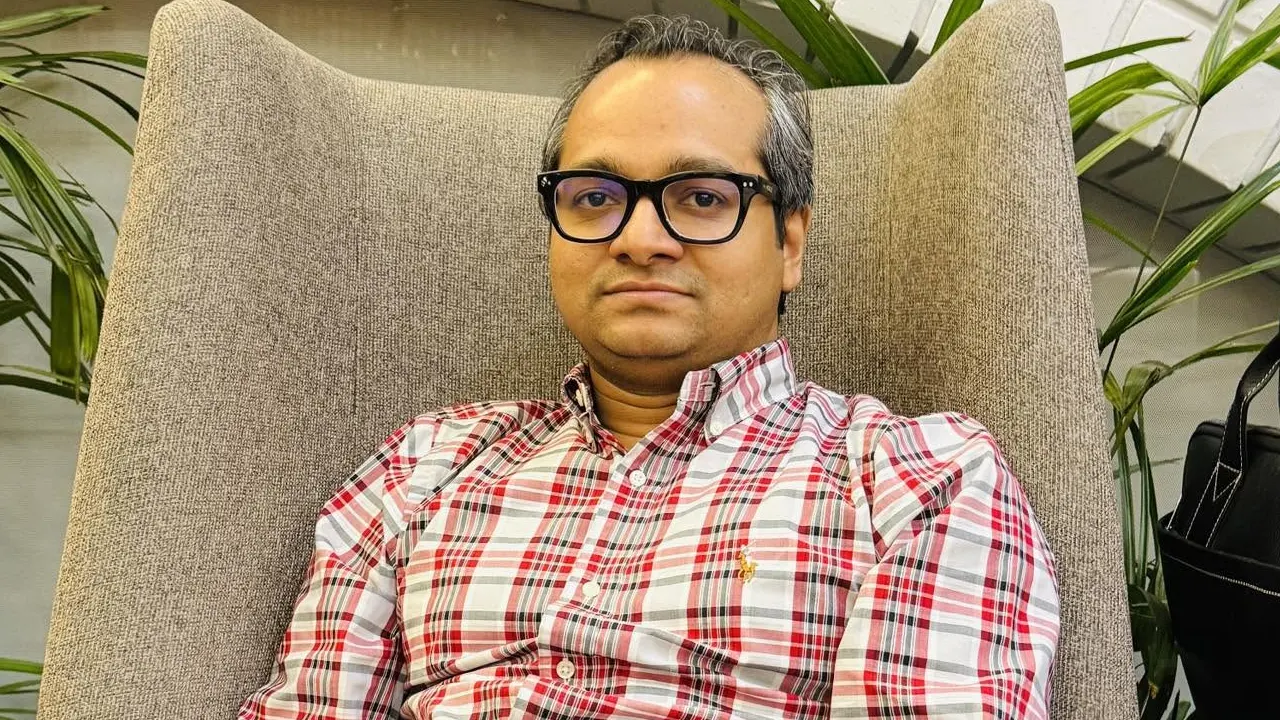
The government has appointed journalist and novelist Ehsan Mahmud as director general of the July Uprising Memorial Museum. He will hold the post for the next one year.
The appointment was announced in a notification issued Wednesday (September 15) by the public administration ministry’s contract and foreign appointments branch. The notification said he had been given the contract-based appointment under section 12(2) of the July Uprising Memorial Museum Act, 2026. He will serve in the role for one year from the date he takes charge.
As one of the conditions of the appointment, he must completely give up any other profession, business, or working relationship with any government, semi-government or private institution. The order, signed by deputy secretary Md Golam Rabbani, said the decision had been made in the public interest.
On taking up the new role, Ehsan Mahmud told the media: “The July uprising is an unforgettable chapter in the history of Bangladesh’s anti-fascist democratic struggle. This museum has been established to preserve its glorious memory, present the true history of the struggle to the new generation, and stand as a memorial to the sacrifices of July’s martyrs and fighters.”
He said new aspirations have grown around the institution since the uprising. The newly appointed director general said he wants to work with the lessons of democracy, equal rights and a non-communal Bangladesh that emerged from July at the forefront. He said he would try to turn the museum into a national cultural institution through the collective participation of all, alongside preserving, studying and researching the memory of the July uprising.
Ehsan Mahmud was born in Madaripur, with ancestral roots in Muladi, Barishal. A graduate, the journalist has worked at various media outlets during his career, including Daily Samakal, Desh Rupantor, Voice of America Bangla, Manabzamin and Netra News. Alongside journalism, he has also worked in fiction and poetry. His published works include the novels “Ekattorer Lalmia” and “Kokil Asomoy Dakiyachhilo,” and the poetry collection “Adibasi Premikar Mukh.” He has also published essays and writing on politics.