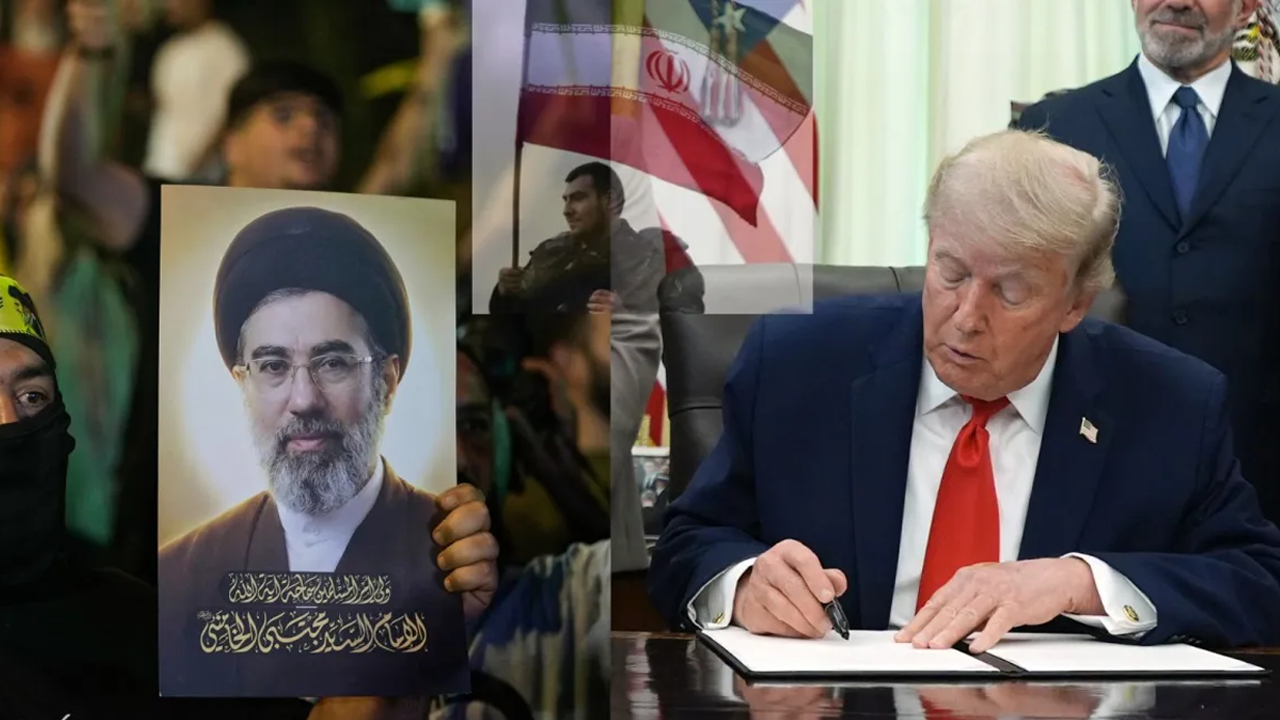
A plan has been drawn up to set up a special $300 billion investment fund as part of a proposed framework understanding between the United States and Iran. More than half of the fund’s financing has already been secured ahead of any formal agreement, a source directly involved in the matter said.
The proposed fund, to be called the Reconstruction and Development Fund, aims to encourage investment in Iran and to give both sides an economic incentive to move towards a final peace agreement, the source said.
It is not a compensation or reconstruction-aid programme, however. The fund will be financed entirely by the private sector and will contain no government grants or state money.
The source said investment commitments had already been received from various institutions in the United States, the Gulf Arab states, Asia, South America and Africa. Potential investment sectors include energy, transport, manufacturing and supply-chain management.
A senior Iranian source said Tehran had initially demanded $400 billion in compensation from the United States for war-related damage, but Washington rejected the demand. The idea of an investment-based fund then emerged as an alternative.
According to the Iranian source, regional countries could take part in various ways, including loan guarantees, opening credit lines or directly financing the reconstruction of war-damaged infrastructure.
Possible reconstruction projects include steel plants, oil refineries, airports and other infrastructure damaged in the conflict.
The source said the fund was not directly linked to talks on lifting US sanctions or freeing Iranian state assets frozen abroad. The two issues are separate financial processes operating on different timelines.
Within 60 days of the signing of a memorandum of understanding, a framework would be set up for final talks on the nuclear programme, regional security and other issues. During that period, the fund’s administrators would work with potential Iranian counterparts to identify projects and draw up plans.
US Vice President JD Vance had earlier said Iran could benefit from the $300 billion fund if it met the terms of an agreement with Washington. To do so, Tehran would have to limit its nuclear programme and accept strict international oversight.
The source also said it had not yet been finalised how the fund would be managed. But several institutions from South Korea, Japan, Singapore, Malaysia and the United States had already pledged investment.
Analysts say that if the fund proves effective, it could bring major change to Iran’s economy, which has been largely cut off from global investment by four decades of sanctions.
বাংলায় মূল প্রতিবেদন পড়ুন · Read the original Bengali report