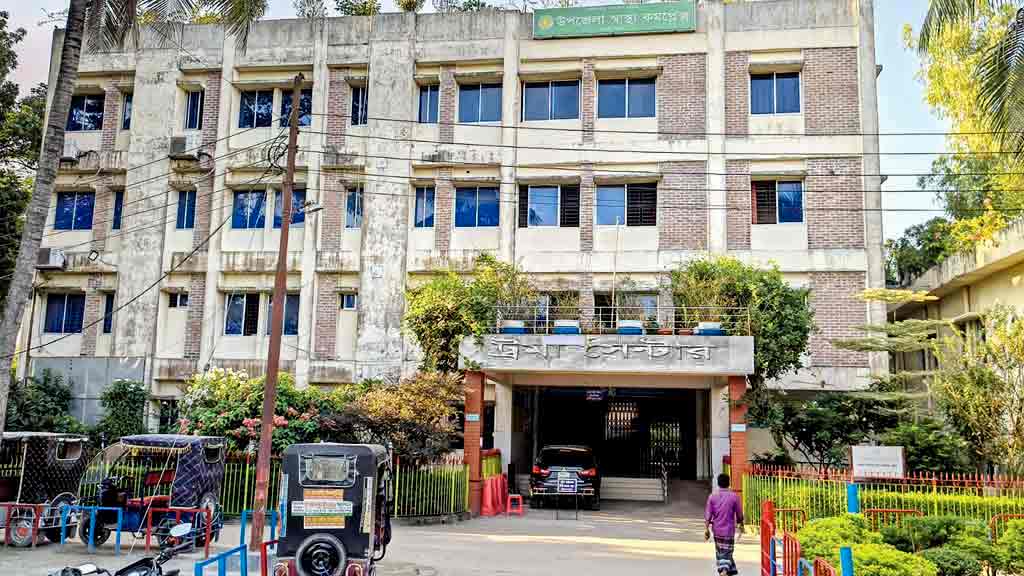
The present government has moved to open, in the shortest possible time, 24 trauma centres that have long lain unused beside the country’s highways. These trauma centres will be renamed accident and emergency treatment centres. A nationwide 24-hour ambulance network is also being set up.
The move is to modernise these long-idle institutions and open them as accident and emergency treatment centres. Treatment will be started in stages at all 24 centres, with the necessary doctors, nurses, medical equipment and other logistics ensured. The instruction to open the centres was given at a meeting between Prime Minister Tarique Rahman and health ministry officials on August 12.
The meeting decided that the existing 24 trauma centres must be renamed accident and emergency treatment centres, and that accident and emergency treatment centres should be established on vacant land beside roads and highways through a project, in discussion with the roads and highways division.
The prime minister also instructed at the meeting that X-ray machines, ambulances and equipment be provided as required from the health services division’s approved budget.
These 24 trauma centres were opened at various times beside the country’s important highways in order to ensure that people injured in road accidents receive treatment quickly, close to the scene. The aim was to reduce deaths by bringing the injured under treatment rapidly. For want of the necessary staff, medical equipment and administrative approval, however, the centres have lain unused year after year.
Health department sources said 10 trauma centres were initiated beside important highways around the country in the 2004-05 financial year and a further 14 in 2010. Of these, only two have outpatient departments running on a limited scale. One is being used as part of the orthopaedics department of the district hospital concerned. The purpose of building them was to arrange rapid treatment for patients with serious injuries to the head, chest, spine and bones in particular. The plan was for three-storey buildings with a 20-bed intensive care unit and a 40-bed isolation centre.
One such centre is the Mulibari trauma centre in Sirajganj Sadar. It was built in 2020 at a cost of about 11 crore taka to give immediate care to patients injured in road accidents on the Dhaka-Rajshahi-Rangpur highway. After six years unused, it was opened temporarily for 14 days from May 21 during the last Eid-ul-Azha to treat people injured in road accidents. It closed again afterwards.
The centres are located at various places around the country, including Atghoria in Pabna; Sherpur in Bogura; Sirajganj Sadar and Ullapara; Bhairab in Kishoreganj; Gopalganj Sadar; Shibchar in Madaripur; Shibalaya in Manikganj; Zajira in Shariatpur; Bhanga (Madhukhali) in Faridpur; Sreenagar in Munshiganj; Dhamrai in Dhaka; Elenga in Tangail; Lohagara, Hathazari and Raozan in Chattogram; Daudkandi in Cumilla; Bhaluka in Mymensingh; Chhatak in Sunamganj; and Bahubal in Habiganj.
Under the original plan, each trauma centre was to have 14 doctors in all, including seven consultants, three orthopaedic surgeons, two anaesthetists and two resident medical officers. Each centre was also to have 10 nurses along with a pharmacist, a radiographer and other technicians. No centre, however, has been staffed according to the proposed structure.
Asked about this, state minister for health Dr M A Muhit told BSS: “We have moved to open 24 trauma centres based around the highways. They will very soon be converted into accident and emergency centres. To ensure rapid emergency treatment in road accidents, an integrated network is being built with trained volunteers using ambulances and motorcycles.”
“We are working with the aim of running this in future as a sustainable part of our regular health system,” he said.