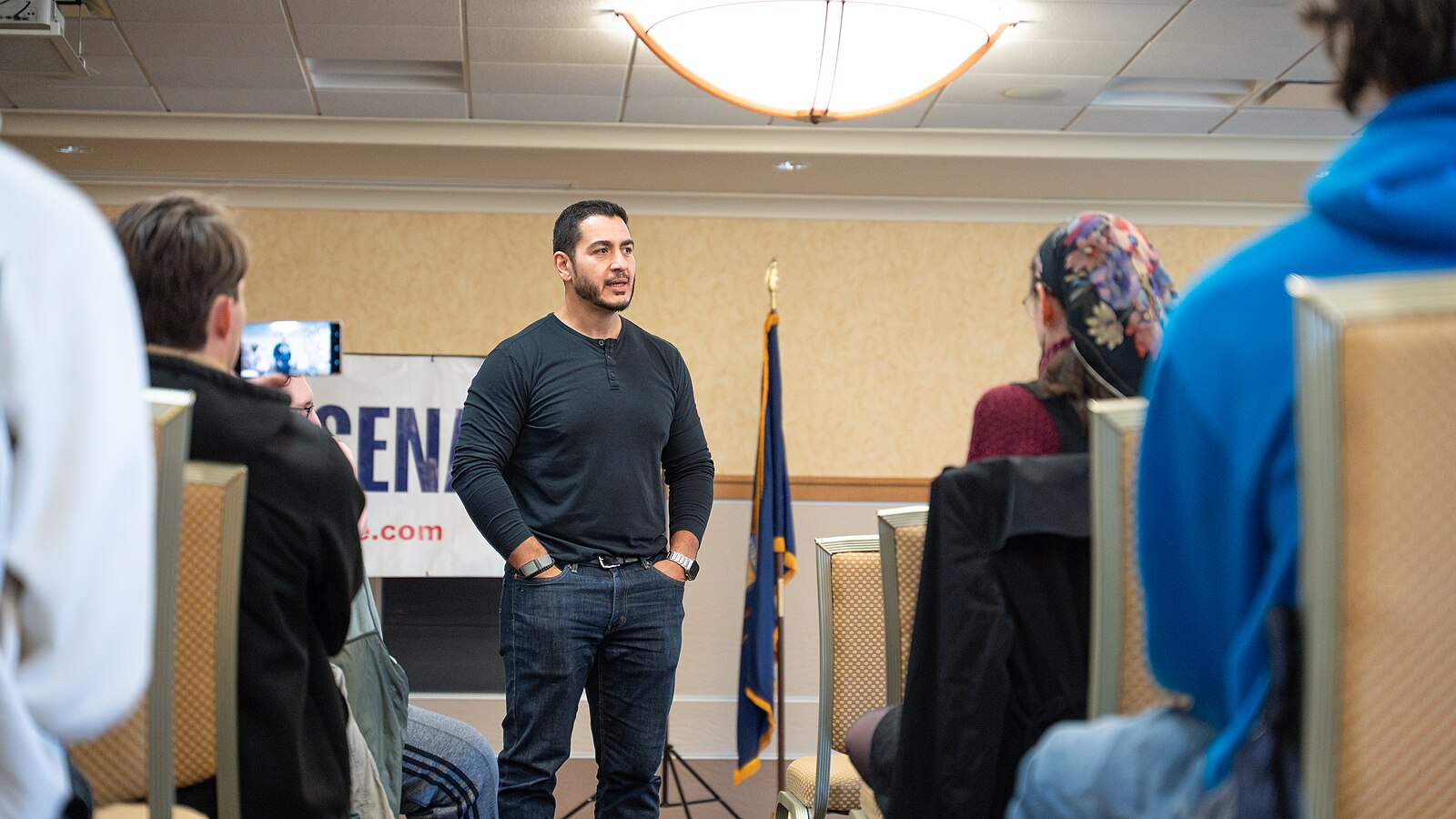
Since Abdul El-Sayed became the first Muslim in US history to be elected a senator, his rise, his personal life, his beliefs and the meaning of the win have been discussed and dissected across social media. Shaheen Siddiqui, a Canada-based engineer and chairman of the Muslim Circle of Canada, wrote his own analysis of El-Sayed on his Facebook timeline, and BD Global Times reproduces it here for its readers. In the 3 November election in Michigan, El-Sayed, a Democrat, defeated the Republican candidate Mike Rogers to win the Senate seat.
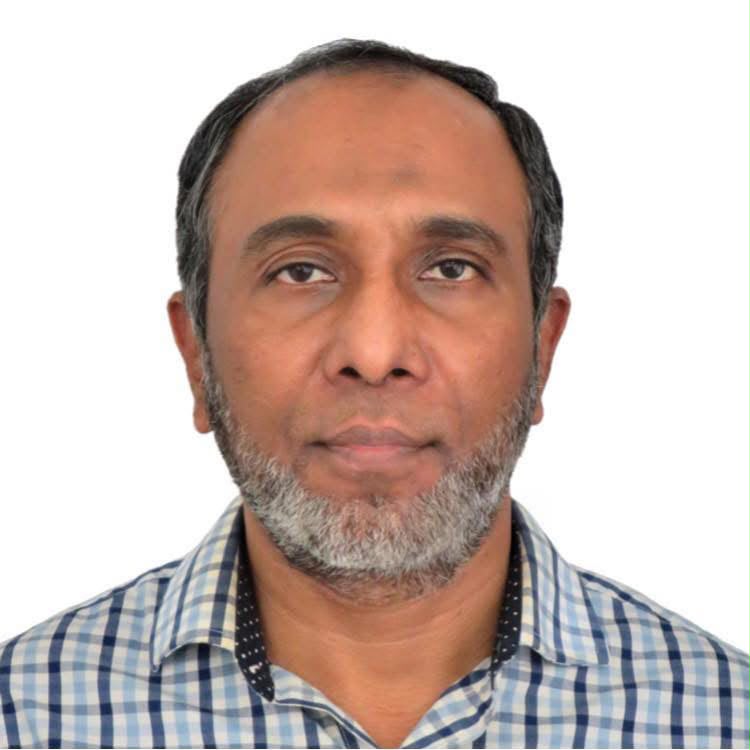
Engineer Shaheen Siddiqui. Photo: from his Facebook profile
Since becoming senator-elect, Abdul El-Sayed seems unwilling to waste a single minute. He is everywhere, giving one interview after another to America’s main outlets, MS NOW’s well-known Morning Joe, CNN and ABC among them. There is a lot to learn from each one. He is focused, plain-spoken, eloquent, sharp and remarkably self-assured. He does not let side issues distract him, and every time he brings the conversation back to his central point.
What stands out most is that the powerful American outlets that for years looked at Muslims differently, and presented them as outsiders to this society, are now giving El-Sayed a warm welcome. Words like habibi, inshallah and alhamdulillah no longer sound foreign to millions of Americans. Watching the way the interviews are conducted, you would think El-Sayed had long been one of their own. Only two days ago CNN was cool towards him. Now its manner is completely different.
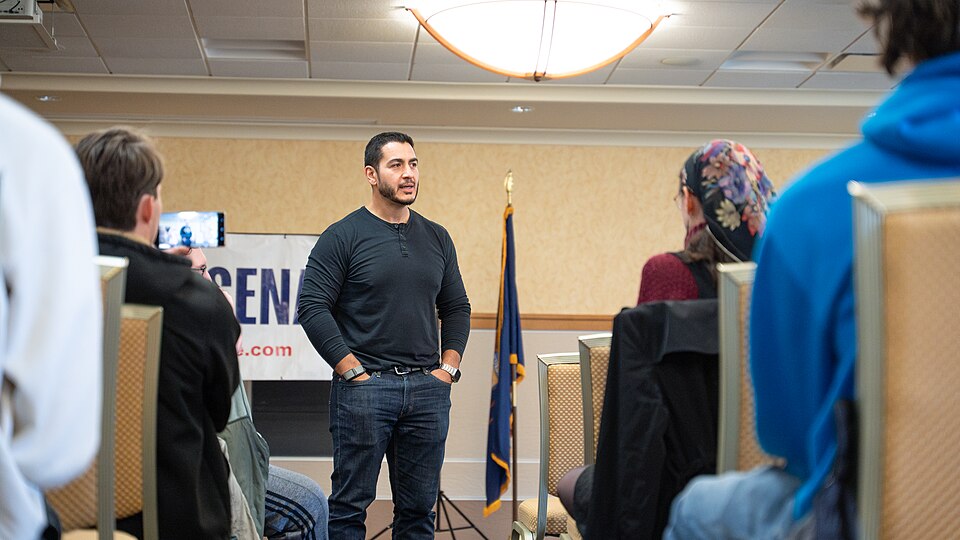
Abdul El-Sayed. Photo: Conlan Houston, Wikimedia Commons (CC BY-SA 4.0)
The most admirable thing about El-Sayed is that he has not shifted his words or his positions one bit to win this acceptance from the media. He speaks as fearlessly as before about his Muslim identity, his faith, his ethnicity, the colour of his skin, Gaza, genocide, war crimes and injustice around the world. He makes the point that Judaism and Zionism are not the same thing, and that the safety of Jewish children, Muslim children and the children of people with no religion matters to him as much as the safety of his own. What he said before the election he is still saying after it. In every interview, the same truth, the same firmness, the same courage. He does not hesitate for a moment to speak truth to the powerful.
For more than half a century, the beliefs, feelings and long-standing grievances of more than a billion Muslims counted for nothing in America’s mainstream media. Now here is a man standing at the centre of American politics and media and stating that reality without fear: Abdulrahman El-Sayed.
For Muslims in North America this is a very significant moment. We are watching America’s leading outlets treat a Muslim political leader not just as the representative of a minority community but as a political figure who matters. They listen to him and put his views up for discussion. For us that feels like a very big change.
JD Vance has called him “very sinister”; Trump and Vance have made all kinds of mocking and personal attacks on him. But El-Sayed has not stepped back an inch. He has hit back, protested the insults and shown that the days of keeping quiet out of fear of bullies are over. Answering Vance’s remark, he said: “What is sinister is dividing people for your own gain.”
He is doing what, until recently, we could barely imagine: a Muslim politician looking America’s most powerful people in the eye and speaking to them with equal firmness.
I believe El-Sayed will become even more important and influential in American politics in the days ahead. JD Vance has ambitions to run for president in 2028. El-Sayed will not let him off; he will strike back at him with his words every time. After he is sworn in in January, we may see just how hard El-Sayed can hit. A new equation will take shape in world politics. His recent stands already make it clear that the fearless El-Sayed will always speak out against injustice and attack.
For Muslim children and teenagers growing up in North America, he is an extraordinary inspiration, a symbol of hope for a whole generation. For young people who at times feel unsure about their religious and cultural identity, El-Sayed is opening the door to new possibilities. He is showing that you do not have to hide your faith, your identity or your ideals to succeed. You can stand tall, speak up for what you believe, dream big and even reach the highest levels of leadership. Perhaps his greatest achievement will be not only winning political battles but opening new doors for a whole generation and giving it the courage to dream.
That is why El-Sayed’s rise matters so much to us. I hope the young generation in Bangladesh will learn from him and take the country to new heights.
বাংলায় মূল প্রতিবেদন পড়ুন · Read the original Bengali report