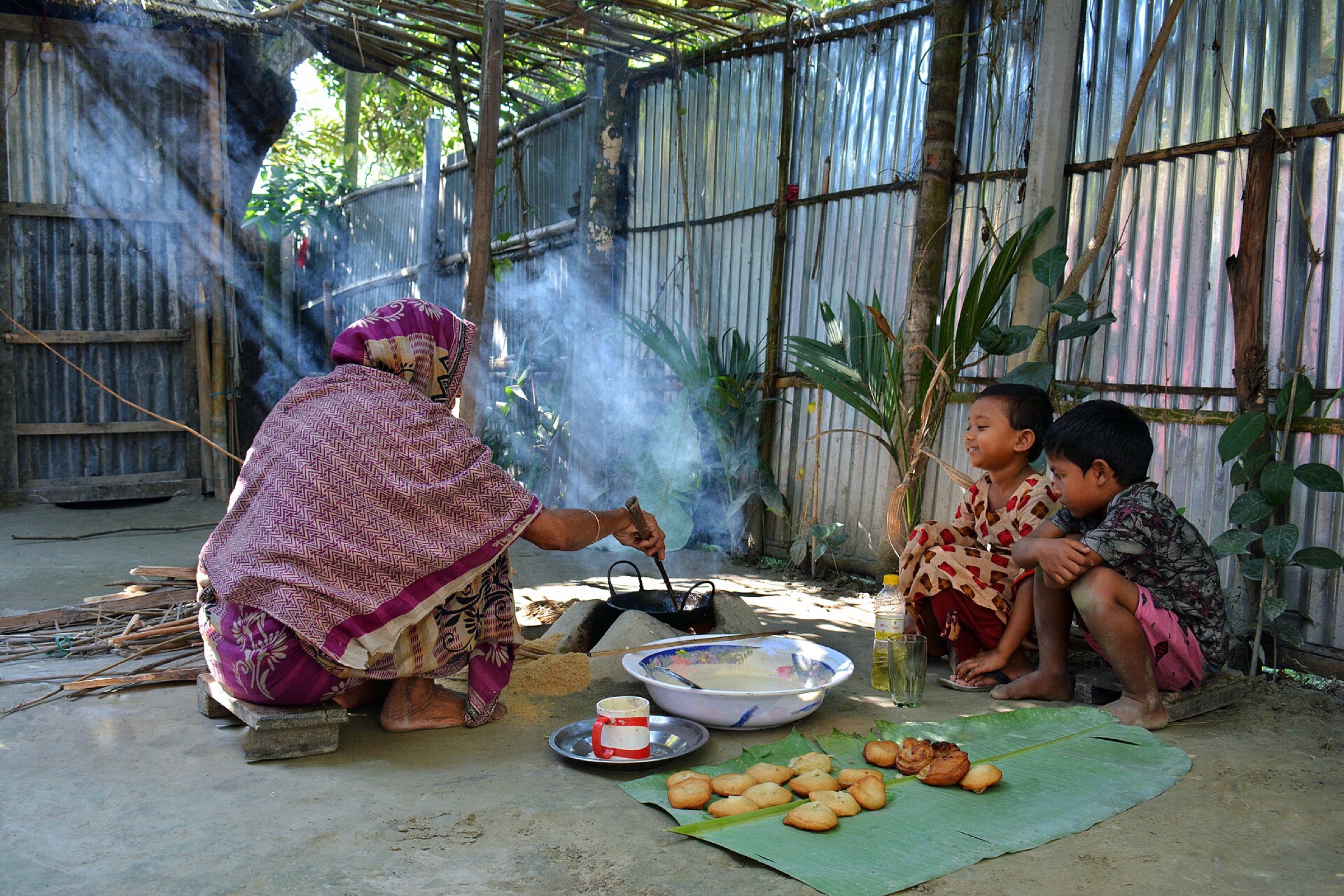
The issue has come to the fore around the recent death of an elderly woman living alone in a flat in the capital’s Mirpur. Maintaining old and helpless parents is a child’s social and moral duty. But, sadly, many children do not perform this duty — a tendency seen somewhat more among the educated. Despite having educated and capable children, many helpless parents are seen taking shelter in old-age homes. Nothing can be more heartbreaking and cruel than parents having to spend old age in an old-age home while having earning children. Every child should look after and maintain their old parents and keep them company.
To prevent parents from being neglected and deprived by children in old age, the Parents’ Maintenance Act, 2013 was passed. If a child forces old parents to live in an old-age home or elsewhere, or fails to maintain them, the parents can secure their rights for maintenance under this law. Its preamble states that, since it is expedient and necessary to make provision to ensure parents’ maintenance by children, the law was enacted. A child cannot force parents, against their will, to live together or separately in any old-age home or elsewhere. Every child must regularly check on their parents’ health, provide medical care, meet them as far as possible, and — if living separately — give a reasonable amount of money from their own income.
The act is not limited to parents’ maintenance: it also stresses the maintenance of grandparents in the parents’ absence — paternal grandparents in the father’s absence and maternal grandparents in the mother’s absence, to be maintained like parents. Offences under the law are cognizable, though bail may be available and there is scope for settlement. The complaint is filed and tried in the court of a first-class judicial magistrate or metropolitan magistrate, and the written complaint must be made by the parents themselves, or the court will not accept it. The court may send the complaint for settlement to the relevant union council chairman, member or councillor, or another suitable person, settling only after giving both sides a hearing.
Under the act, “maintenance” means food, clothing, medical care, accommodation and companionship. Under section 3, every child must ensure parents’ maintenance, and where there are several children they must ensure it through discussion among themselves. Under section 5, failing to maintain parents carries a fine of up to 100,000 taka and, in default, three months’ imprisonment; under section 5(2), a child’s spouse, son, daughter or other close relative who obstructs or refuses to cooperate in the maintenance of parents or grandparents is deemed to have aided the offence and is liable to the same penalty. The act emphasises settlement, empowering union council, municipality and city-corporation chairmen, members and commissioners to mediate, with provision for the court to recognise such settlements. Who bears the duty of maintaining parents in old age is a reasonable question — one the law answers clearly. But the question is not only legal; it is also moral. Practically all parents want their children’s good and do not wish to go against them, but if circumstances force them, they have no choice.
বাংলায় মূল প্রতিবেদন পড়ুন · Read the original Bengali report