Even after the bedroom light goes off, street light seeps in through the window, and a phone screen glows beside the bed. In modern life, night is never quite completely dark.
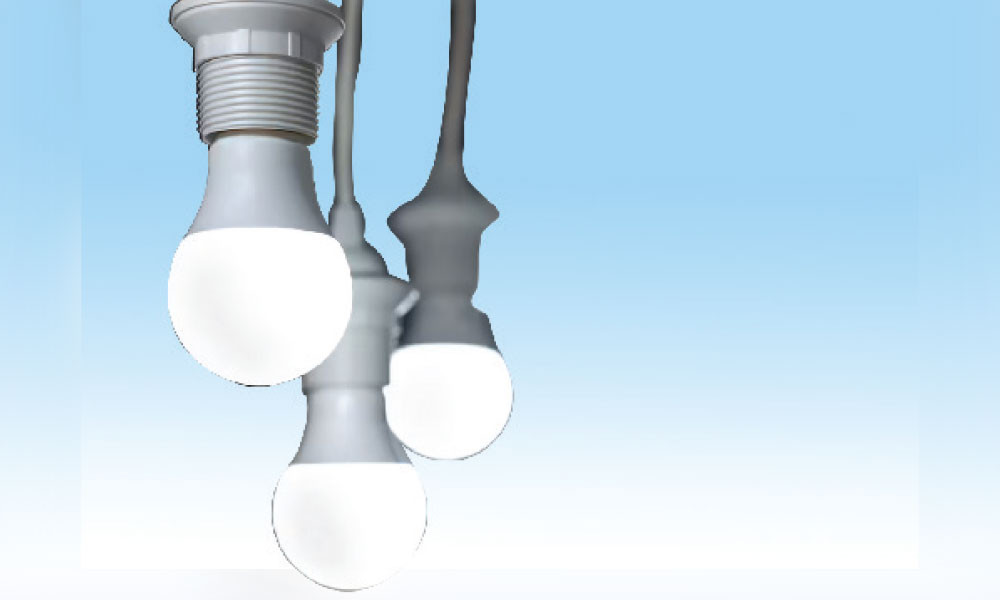
Researchers say that using cool white LED lighting, in particular, which carries a higher proportion of blue light, for long stretches at night can disrupt the body’s natural hormonal rhythm.
In a review published in the journal Environmental Research, French researchers Yvan Touitou and Sébastien Point argue that LED blue light should be considered a potential “endocrine disruptor” — something that interferes with the hormonal system. Among the findings that stood out most in their analysis was that LED blue light reduces melatonin secretion. Melatonin helps bring on sleep and also keeps the body’s internal clock on schedule.
Light signals reach the brain’s “master clock” through special light-sensitive cells in the eye’s retina. That signal is necessary during the day. But bright, blue-heavy light at night sends the brain the wrong message, as if it were still daytime. As a result, the normal rise in melatonin is disrupted, sleep onset is pushed later, and the daily rhythm governing cortisol, insulin and glucose regulation can shift as well.
Not all LED light is the same, however. Cool white bulbs generally carry a larger share of blue light than warm white bulbs. The effect depends on how bright the light is, how close it is to the eyes, and how long and at what time of day it is used. During the day, blue light actually helps keep the body’s biological clock on the correct rhythm. The concern is specifically about inappropriate light exposure at night.
A separate 2026 review examining the effects of artificial light at night on women’s reproductive health found a possible link to irregular or prolonged menstrual cycles and hormonal changes. Disruption to the biological clock could also affect the signaling between the brain, the pituitary gland and the ovaries. However, researchers have found little direct evidence of this in humans so far; most of the data comes from studies and observations in other animals. Factors such as night work, insufficient sleep, stress and diet can also influence outcomes. The idea that using LED lighting alone will cause infertility, PCOS or other hormonal disorders is also not entirely accurate.
To reduce the risk, avoid keeping indoor lighting brighter than necessary after evening. Use dimmer, warmer-toned lighting. Reducing phone and computer use, along with screen brightness, an hour before bed can help. Keeping the bedroom as dark as possible is important. Spending some time in natural morning light can also help keep the body’s clock on track. Women experiencing irregular periods, long-term insomnia or other hormone-related symptoms should not simply blame lighting, and should consult a doctor instead.
বাংলায় মূল প্রতিবেদন পড়ুন · Read the original Bengali report