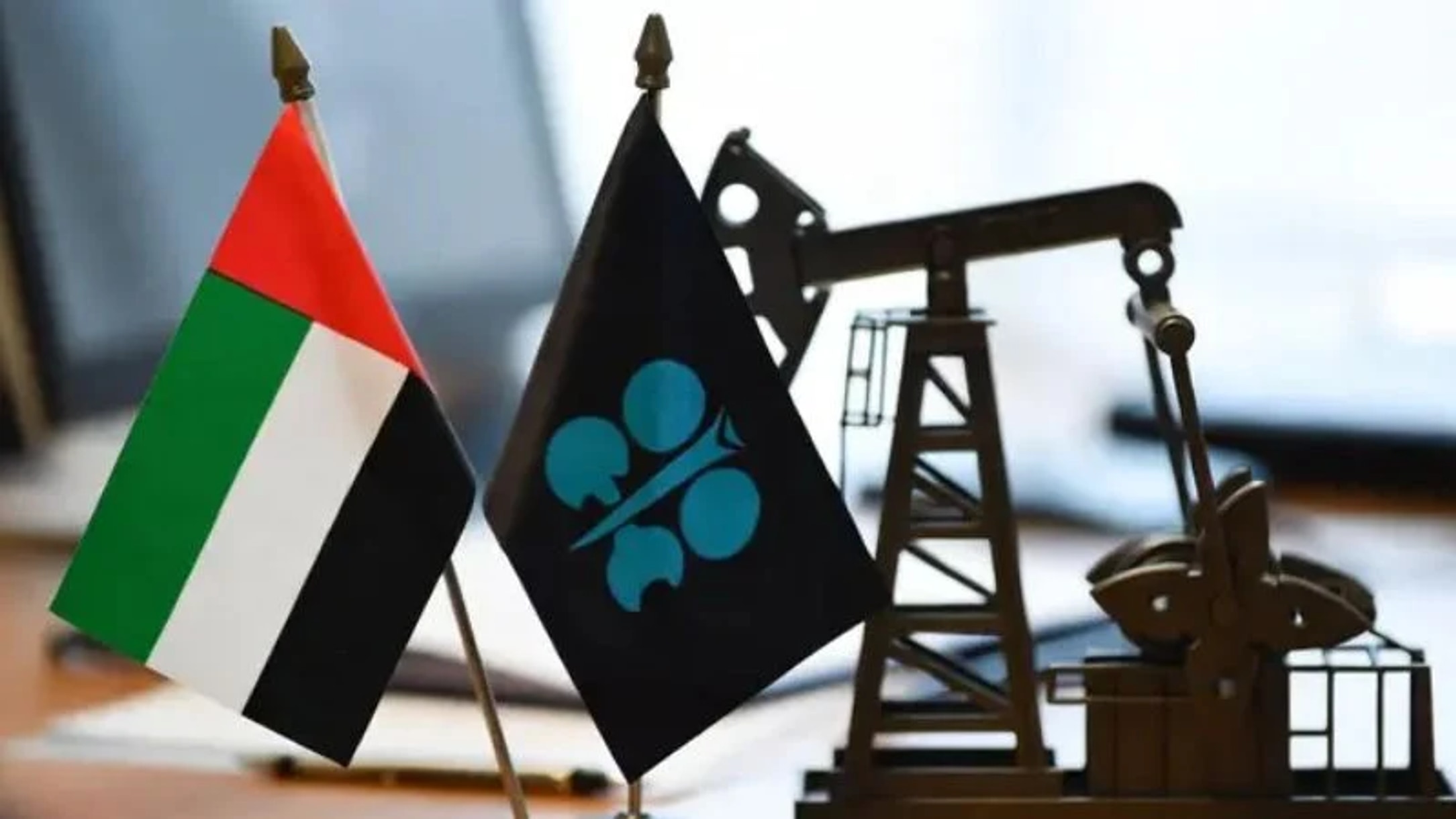
DHAKA — The United Arab Emirates (UAE) has announced it will leave OPEC, the cartel of oil-exporting countries. The decision has fueled fresh discussion about OPEC’s future.
The Organization of the Petroleum Exporting Countries (OPEC) was founded in 1960. Its aim was to coordinate the oil policies of member countries and to stabilize the market, so that consumers could obtain oil regularly, affordably and without interruption.
At its founding, the group had only five member countries: Iran, Iraq, Kuwait, Saudi Arabia and Venezuela. The membership later grew to 12. Today, OPEC members supply about 36.17 percent of the world’s crude oil production and control about 79.22 percent of global oil reserves. The UAE joined the group in 1967.
Alongside OPEC, another name has come up in discussions: OPEC Plus. This is a broader alliance that includes OPEC members along with other oil-producing countries such as Russia.
What OPEC does
Member countries regularly monitor market conditions and then jointly decide whether to increase or decrease oil production. Through this they control supply and try to keep prices stable.
When oil production is cut, supply in the market decreases and prices rise. When production is increased, supply rises and prices tend to fall. These decisions usually have to be taken unanimously. As a result, OPEC’s decisions directly affect global oil supply and prices.
Impact of the UAE leaving
The UAE wants OPEC’s production quotas to be raised, because its production capacity is much higher than what it is currently allowed to pump. The UAE has said that from May 1, it will leave the alliance and set its own production levels.
Oil and energy ministers of OPEC member countries usually meet twice a year. The alliance’s total production level is set at those meetings. Emergency meetings are also held when needed.
The news of the UAE leaving OPEC has not caused a major change in oil prices. Rather, the upward trend in prices has been observed since the start of the Iran war. Many analysts believe the UAE’s decision will increase supply in the global market, which could lead to a modest drop in prices.
Earlier, U.S. President Donald Trump had alleged that OPEC was artificially raising oil prices by keeping supply restricted.
A change in the trade pattern
With the UAE leaving OPEC, the Middle East’s ability to keep oil prices artificially high has taken a major hit. A decline in OPEC’s influence could be good for consumers in the long term. The UAE is the second-largest producer in the region, so it will emerge as a major new competitor in the market, able to produce oil without OPEC’s limits.
The development also shows that the Iran war is bringing lasting changes to global trade patterns and creating new supply chains. The full impact of these market changes is not yet clear. This is only the beginning.
The UAE’s decision could create volatility for U.S. oil producers. Although the United States is largely energy self-sufficient, it is not fully so. It produces more oil than it consumes, but still has to import about a third of its demand. That is because the light, low-sulfur crude oil produced in the United States is less useful for making heavy fuels and other petroleum products. As a result, Washington still depends on the Middle East for some of its oil.
বাংলায় মূল প্রতিবেদন পড়ুন · Read the original Bengali report