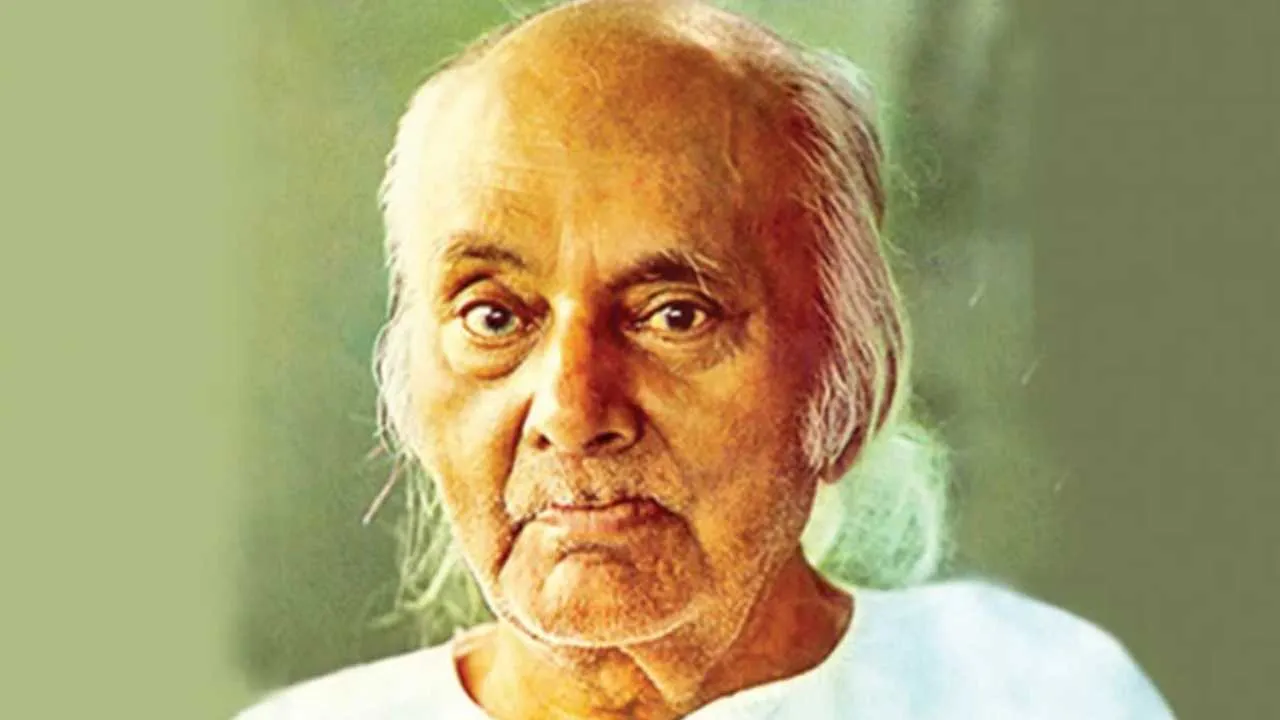
Today marks the 50th death anniversary of Kazi Nazrul Islam, the poet of rebellion, humanity and equality. On 12 Bhadra 1383 of the Bengali calendar, the flame of this singular genius’s life was extinguished at Bangladesh Medical University (formerly PG Hospital) in Dhaka. To mark the occasion, the Nazrul Institute, Nazrul Academy, Shilpakala Academy and various other social organizations and institutions have taken up programs.
Nazrul Islam was born into the Kazi family in Churulia village, Bardhaman district, West Bengal, on 11 Jyaishtha 1306 of the Bengali calendar.
He grew up battling severe poverty from childhood. But rather than being defeated by poverty, he overcame it — creating timeless poems, songs, hamd, naat, ghazals, plays and Shyama Sangeet. There is scarcely a corner of literature he did not touch.
Kazi Nazrul Islam’s creative period lasted just 23 years. In that brief span, he gave the Bengali language and literature astonishing gifts. Nazrul’s poetry, songs and literary works sparked a renaissance in people’s minds, showing the path to liberation from exploitation and deprivation. He practiced literature, and also went to war in the hope of human liberation. In the poet’s own words: “In one hand I hold the curved bamboo flute, in the other the war trumpet.”
After Bangladesh’s independence, on May 24, 1972, the poet Nazrul was brought to Bangladesh with his family, with the permission of the Indian government. He was given the status of National Poet. Arrangements were made for him to live with state honors, and he was given a house in the capital’s Dhanmondi. Dhaka University conferred an honorary D.Litt. on the poet in 1974. In 1976, the government of Bangladesh granted him Bangladeshi citizenship. On February 21 of that same year, he was awarded the Ekushey Padak.
বাংলায় মূল প্রতিবেদন পড়ুন · Read the original Bengali report