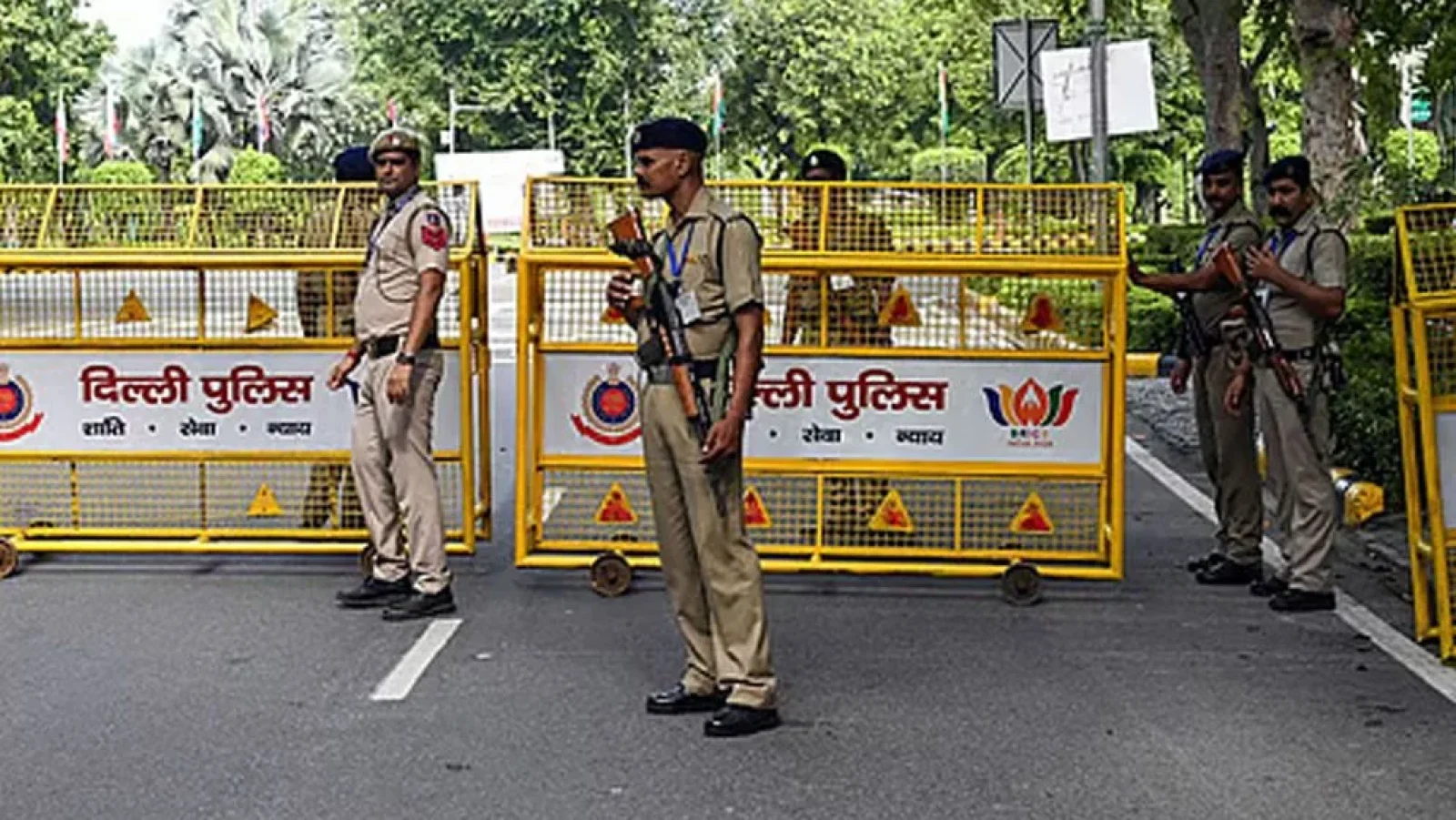
Various legal provisions are applied at different times in the Indian capital, Delhi, to keep law and order and reduce public suffering. Among them, section 133 of the Code of Criminal Procedure is important for removing nuisances that are dangerous or harmful to the public. The purpose of the section is not only to control protests or public gatherings, however; stopping a nuisance in the public interest is also one of its aims.
Section 133 of India’s old Code of Criminal Procedure, the CrPC, gave an empowered magistrate the power to make a conditional order to remove conditions harmful to public movement and health. A similar provision is now in section 152 of the Bharatiya Nagarik Suraksha Sanhita (BNSS), in force since 1 July 2024.
In what circumstances can the section be applied?
Under the law, an order can be given to remove an unlawful obstruction or nuisance created on a road or place used by the public. An order can also be given to stop or regulate a trade or occupation if its activities harm public health.
How is the order given?
An empowered magistrate can make an order after considering the situation, on the basis of a police report or other information. The order tells the person or body concerned to remove the nuisance within a set time. Anyone who does not agree with the order has the chance to appear at the appointed time and place, put their case and show cause why the order should not be made final.
In other words, it is essentially a preventive legal measure to ensure the public’s safety, health and normal movement.
What is the difference between sections 133 and 144?
The two sections do not have the same purpose. Section 133 of the old CrPC was used mainly to remove a public nuisance. Section 144, on the other hand, gave the power to impose a ban in an emergency to prevent a possible danger or breach of the peace. In the new BNSS the provision equivalent to section 144 is section 163.
বাংলায় মূল প্রতিবেদন পড়ুন · Read the original Bengali report