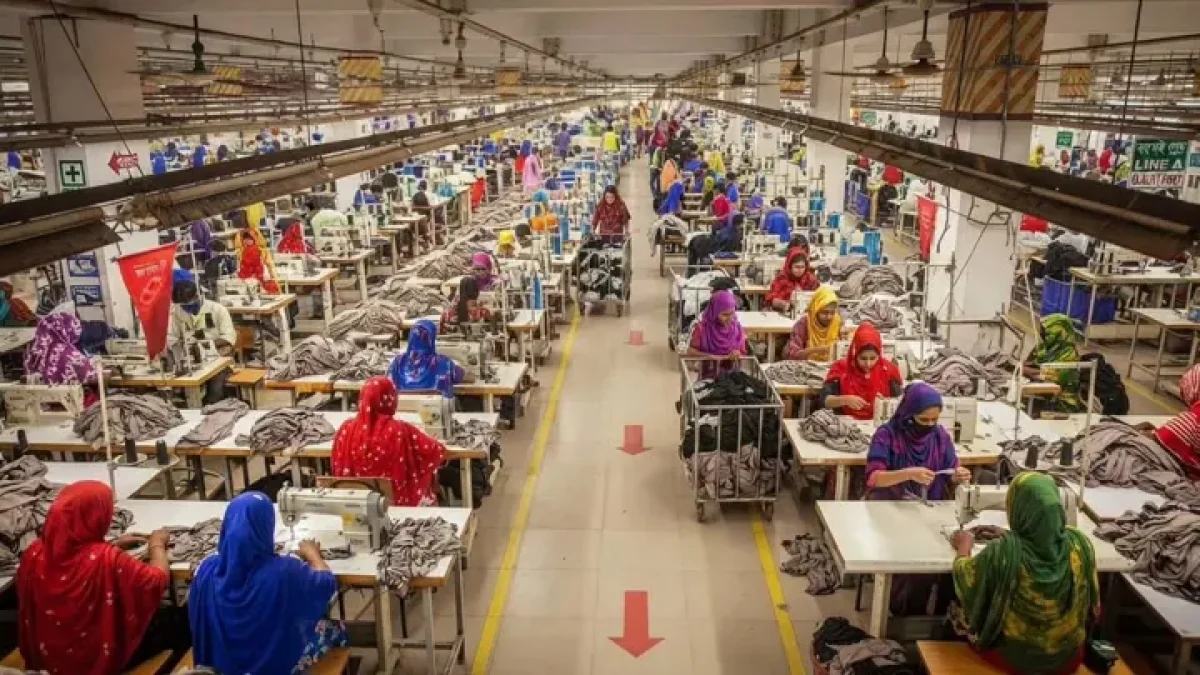
Small and midsize entrepreneurs play an important role alongside large factories in Bangladesh’s garment industry, contributing to exports, jobs and production capacity. Differences in financial resources, access to working capital and payment terms from international buyers call for closer examination of their stability and ability to operate over the long term.
Factories need a steady supply of cash to buy raw materials, pay workers, cover electricity and gas bills, transport and other operating costs. Delays in payment after goods are delivered to international buyers can strain cash flow and make it difficult to start production on new orders.
The position can be especially difficult for factories with limited access to bank loans and relatively little working capital. They must buy raw materials while meeting wage obligations on time; delayed buyer payments can make daily operating expenses hard to cover.
Weak finances can also put pressure on regular wages, overtime and other benefits. Difficulty financing raw materials and production risks disrupting output and timely delivery to buyers.
Inconsistent international orders are another challenge. Smaller factories may have fewer buyers and orders than large ones. Dependence on a few buyers can mean reduced or canceled orders directly affect revenue and cash flow.
Production costs, loan interest, energy and transport add pressure. If international buyers’ purchase prices do not adjust as costs rise, margins may shrink, making additional expenses particularly difficult for businesses already operating on slim profits.
Understanding factories’ actual financial position requires detailed data by size, including margins, bank debt, receivables, working capital, order continuity and wage and benefit payments. Reviewing the past 12 to 24 months could identify which firms face the greatest pressure and the principal causes.
Experts say smaller factories need easier access to working capital, financing against export earnings and bank loans. Timely payments and fair purchase prices from international buyers also need attention.
Financially strained factories could be offered opportunities for business restructuring, technology upgrades, greater production efficiency and access to new markets. These could help control costs and strengthen long-term capacity.
The financial stability of small and midsize garment factories affects not only owners but also workers’ jobs, regular pay and Bangladesh’s export capacity. Assessing their financial pressures and providing financing and policy support where needed are important to the industry’s long-term stability.
বাংলায় মূল প্রতিবেদন পড়ুন · Read the original Bengali report