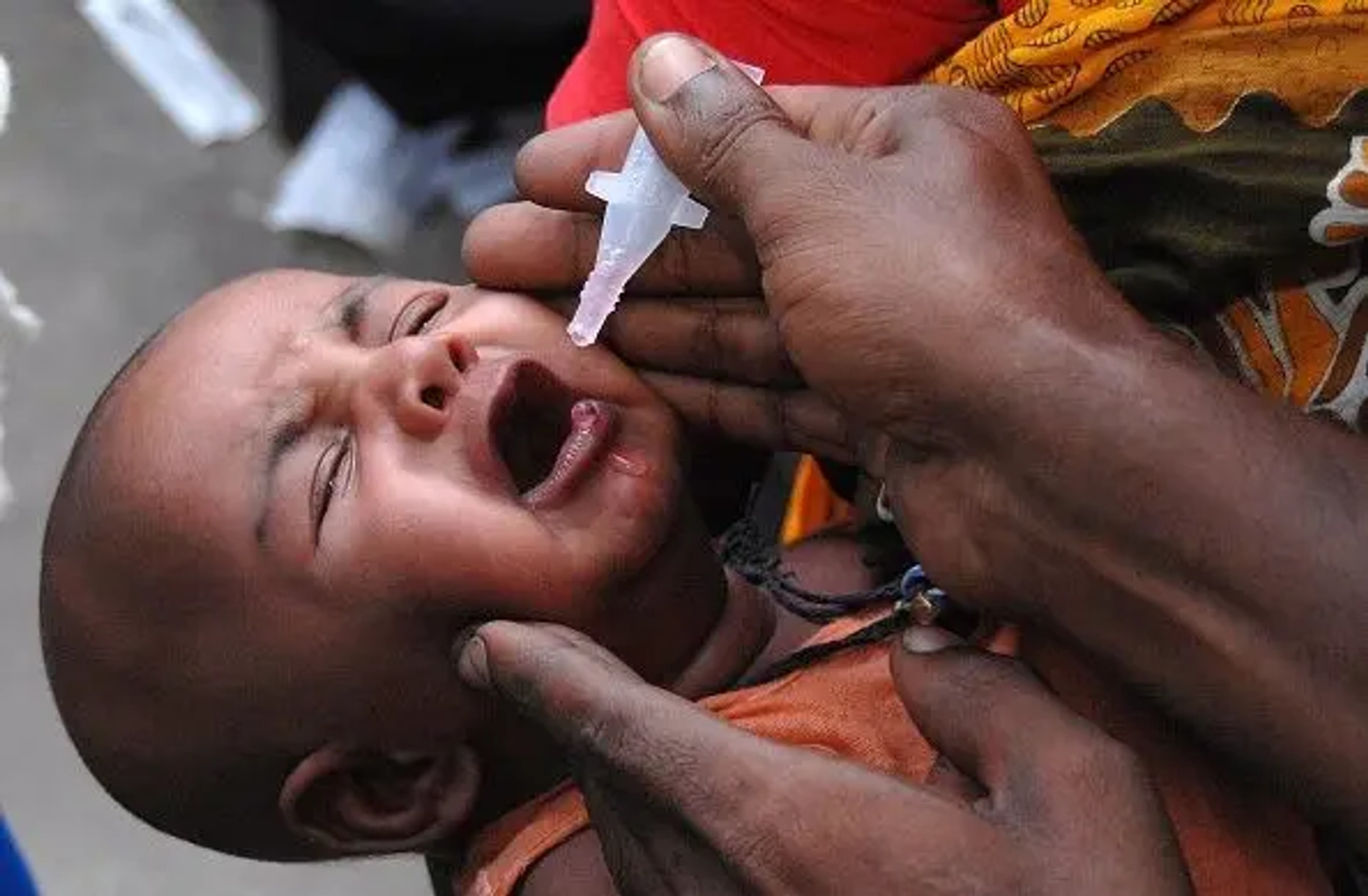
From the moment a child is born, a struggle with the world begins. One of the strongest shields in that struggle is the vaccine.
Newborns have very weak immune systems, and vaccines build the foundation of disease resistance, public health experts said.
In Bangladesh, as in most countries, children are vaccinated according to a fixed schedule from birth.
These vaccines protect children from serious infectious diseases that once killed millions.
Doctors said there is no substitute for vaccines in building immunity and providing long-term health protection for children and the wider population.
Vaccination in Bangladesh is provided through two main systems: government vaccines and private vaccines.
According to the World Health Organization’s standards and guidelines, these vaccines must be administered at the right age and in the right doses.
Government vaccines
Government vaccines are a set of mandatory, essential vaccines that protect children from serious infectious diseases. Under the government’s Expanded Programme on Immunization (EPI), all children in Bangladesh receive these vaccines free of charge. Doctors said the vaccines are essential to child survival.
Government vaccines include:
- BCG (Bacillus Calmette-Guérin): Protects against bacterial tuberculosis.
- Pentavalent: A combined vaccine that protects against diphtheria, whooping cough, tetanus, hepatitis B, and haemophilus influenzae B (Hib). Diphtheria and whooping cough are bacterial infections of the throat and respiratory tract. Tetanus is usually contracted through cuts and wounds. In severe cases, these diseases can be fatal. Hepatitis B is a viral liver disease. Hib is a bacterial disease that can cause severe infections of the brain, lungs and blood in children.
- OPV/IPV: Polio is a viral disease that can leave children paralyzed for life. The vaccine is given orally as OPV and by injection as IPV. It protects children from paralysis.
- PCV (Pneumococcal Conjugate Vaccine): Protects against the bacterium pneumococcus, which causes pneumonia (lung infection), meningitis (infection of the brain) and sepsis (blood infection).
- MR (Measles-Rubella): Protects against measles and rubella. Measles causes fever, rash and cough; complications can include pneumonia, brain infection or blindness, and the disease is highly contagious. Rubella in pregnant mothers can cause birth defects, but the vaccine eliminates that risk.
- DT/Td/TT/DPT (diphtheria-tetanus combinations): Given to prevent tetanus from cuts and injuries, and diphtheria infections of the respiratory tract.
- Rabies: Given free at government hospitals and health centers under the rabies elimination program for those bitten or scratched by animals such as dogs, cats and monkeys, though many people still buy the vaccine themselves.
Children aged six months to five years are also given vitamin A capsules through the government program.
If these government vaccines are given on schedule at government hospitals, upazila health complexes, union health centers, community clinics or vaccination drives, the government covers the cost.
Outside those settings, a service charge may apply.
Private vaccines
Private vaccines are not mandatory and provide additional protection for children, public health experts said.
They are usually purchased and administered at private hospitals or clinics. Private vaccines include:
- Rotavirus: For preventing diarrhea.
- Varicella: For preventing chickenpox.
- Hepatitis A: For preventing jaundice or liver infection.
- TCV (Typhoid Conjugate Vaccine): Protects against typhoid fever, which spreads through contaminated food or water.
- Influenza: Protects against seasonal flu — fever, cold, sore throat and headache. It is particularly important for those with respiratory conditions, doctors said, as it can reduce the risk of asthma attacks.
- MMR (Measles-Mumps-Rubella): Protects against measles, mumps and rubella.
- HPV (Human Papillomavirus): Prevents cervical and other cancers in girls and women.
- Meningococcal: Prevents meningitis.
- ETEC: Given to prevent cholera and diarrhea.
Private vaccine prices vary. A single dose can range from about 1,000 taka to 8,000 taka or more, depending on the hospital.
When each vaccine should be given
For full protection, some families give only government vaccines, while others give both government and private vaccines.
Many parents ask whether all vaccines are necessary or whether government vaccines alone are enough.
“Government vaccines protect a child’s life from certain diseases and build immunity, while private vaccines add extra protection against several other diseases,” public health expert Benazir Ahmed said.
He stressed the importance of following the vaccine schedule.
Birth to six months
According to the EPI, one dose of the government BCG vaccine should be given within six weeks of birth to prevent tuberculosis. No booster is needed.
At six weeks, children receive the first doses of three important government vaccines — Pentavalent, polio and PCV. OPV is given as two oral drops, while two IPV doses are injected into the thigh muscle.
Four weeks later, at 10 weeks of age, the second doses of the three vaccines are given. Four weeks after that, at 14 weeks, the third dose of Pentavalent and polio is given. The third dose of PCV is given at 18 weeks.
The private meningococcal vaccine can be given starting six weeks after birth to prevent meningitis, with a booster every three years.
Two doses of private rotavirus vaccine can be given between six weeks and six months of age, with a four-week gap between doses.
At six months, the first dose of the private influenza vaccine can be given, followed by a second dose four weeks later. After that, one dose can be given each year before flu season.
Nine months to two years
Within nine months of birth, the government MR vaccine is given to prevent measles and rubella, along with a fourth booster dose of polio. The MR booster is given at 15 months.
If the government MR vaccine cannot be given, the first dose of the private MMR vaccine can be given at one year, followed by a second dose four to six years later.
Adults can also receive the MMR vaccine.
The first dose of the private hepatitis A vaccine can be given after the child’s first birthday, with a second dose six months later.
At 15 months, the government TT vaccine for tetanus prevention and the MR vaccine booster are given. The booster increases the effectiveness of the initial vaccine.
Two doses of the private Varicella vaccine for chickenpox can be given any time between the ages of one and 12. The second dose follows four to eight weeks after the first. The vaccine is not needed if the child has already had chickenpox.
At 18 months, the government DPT (diphtheria, polio, tetanus) booster and the government OPV (polio) booster are given.
These boosters strengthen immunity and ensure long-term protection after the three doses of Pentavalent and polio.
After age two, the first dose of the private ETEC vaccine can be given to prevent cholera and diarrhea. Second and third doses follow one week apart.
After age two, the first dose of the private typhoid vaccine is given, followed by a booster every three years.
Five to 16 years
At age five, before children start school, the DT (diphtheria-tetanus) vaccine is given as social mixing increases the risk of infection.
After age 10, the private HPV vaccine can be given to girls in three doses. The second dose follows one month after the first, and the third dose comes six months after that.
The government Td (tetanus and diphtheria) vaccine is given to adolescents aged 10 to 16. Vaccinating adolescent girls protects both them and their future children.
After age 15, and before motherhood, five doses of the government TT vaccine are required. The second dose follows 28 days after the first, the third six months later, the fourth one year after that, and the fifth one year later.
Public health expert Benazir Ahmed said it is critical to complete every vaccine course on schedule.
Some vaccines’ effectiveness wanes over time, which is why booster doses are needed. Boosters reactivate or strengthen the body’s immunity.
Missing doses prevents a child from building full immunity and leaves them at risk of contracting the disease at any time.
Benazir Ahmed advised parents not to panic if a scheduled vaccine date is missed, and to take the child to the nearest vaccination center as soon as possible.
“There is a set time frame for vaccination. What is important is that no vaccine should be given before the scheduled time. But if the time for any dose has passed, it can still be given later,” he said.
Side effects and common misconceptions
Many parents remain anxious about vaccines, particularly side effects, and various misconceptions persist.
Some fear vaccines because they think they make children sick. The reality, public health experts said, is that mild fever, pain, restlessness or crying, and slight swelling or redness at the injection site can occur, but these reactions are normal and temporary.
Such symptoms usually subside within a day or two. However, if there is a high fever, seizures, shock, paralysis of any body part, or infection at the injection site, doctors should be consulted immediately.
Another misconception is that giving many vaccines together causes harm. Experts said a child’s body can handle all the vaccines if they are administered according to schedule.
Some parents believe that government vaccines alone are enough. Public health experts said anyone who wishes can also take private vaccines on schedule to reduce the risk of additional diseases.
Others believe their child is safe because the child stays at home. The reality is that infections can come not just from outside but from family, guests and even through the air.
An important concept in medical science is herd immunity — when most people in a community are vaccinated, the entire community is protected.
Vaccinating a child is not just a personal decision but a social responsibility.
Vaccinating one child means protecting not only that child but a generation and the wider community, doctors said. To vaccinate a child is to protect others as well.
বাংলায় মূল প্রতিবেদন পড়ুন · Read the original Bengali report