In the hill country of Andalusia in southern Spain, Muslims are building new settlements, places of worship and ways to reconnect with the region’s history. Many Muslims from across Europe who have moved to this once Muslim-ruled region say they are finding their history, their identity and a new sense of spiritual peace.
In 2024, British-Hungarian Muslim Henrietta Szovati and her husband Ajmal Masroor, a therapist and imam, bought an old farmhouse in the hills of Alora in Malaga. They call their project the House of Andalus.
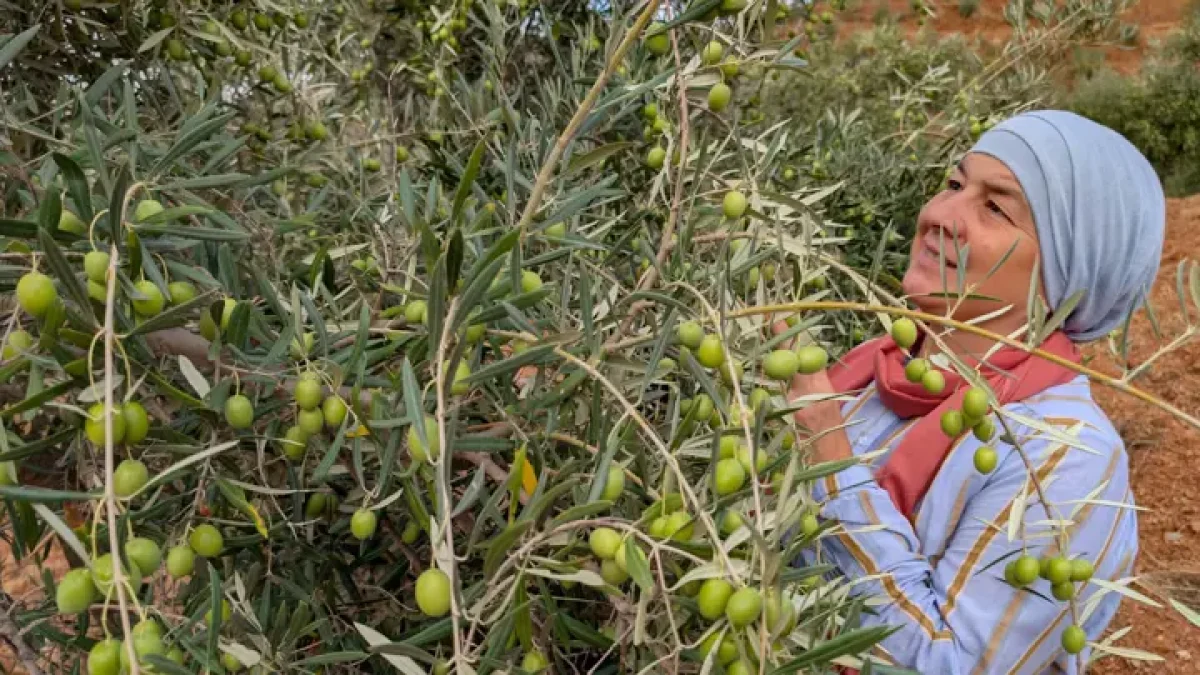
On about 14 hectares, pomegranate, fig and mango trees are being planted alongside olive trees. The couple are creating a garden of plants mentioned in the Quran, a library and educational programmes on Islamic history. The centre will be open to Muslims and non-Muslims alike.
Henrietta felt like an outsider even after more than two decades in Britain. In Spain, she says, neighbours care more about personal relationships than religious identity. Her friendship with her Catholic neighbour, Maria Garcia, is one example of coexistence between faiths. But the rise of anti-immigrant and anti-Muslim politics across Europe is raising questions about the future of Muslims in Spain too.
Historian and travel writer Tharik Hussain says the legacy of al-Andalus reminds European Muslims that Islam is not something outside the continent’s history. For nearly eight centuries in the Middle Ages, Muslims ruled parts of the Iberian Peninsula. Their influence is still visible in the architecture, fortresses, Arabic script, irrigation systems and language of Cordoba, Seville and Granada.
The Great Mosque of Granada also has a long history of struggle behind it. It opened its doors in 2003, after decades of effort and fundraising. For the local Muslim community it was an important milestone in establishing their religious identity and their place in society.
South of Granada, in the Alpujarras and around Orgiva, multinational Muslim communities have also taken root. Writer and teacher Medina Tenour Whiteman says the historic monuments of al-Andalus give Muslims a sense of roots, but present-day life cannot be understood through past glory alone. Learning the language, building ties with neighbours and becoming part of local society matter just as much.
The region’s cultural heritage is not limited to its buildings. Food historians have found possible links between Alora’s traditional bread soup, sopa perota, and medieval Andalusian cooking, suggesting that Muslim traditions from centuries ago may survive in local food and daily life.
Some argue, however, that Andalusia should be seen in the light of present-day Spain rather than as the rediscovery of a lost Muslim empire. Amid economic pressure, social division and debates over religious identity, Muslims are making a new place for themselves.
Henrietta hopes the House of Andalus will become a centre where people can reflect on history as well as nature, faith and the meaning of life. The project faces big challenges of money and labour, but she believes lasting communities are built on personal relationships, mutual respect and faith.
বাংলায় মূল প্রতিবেদন পড়ুন · Read the original Bengali report