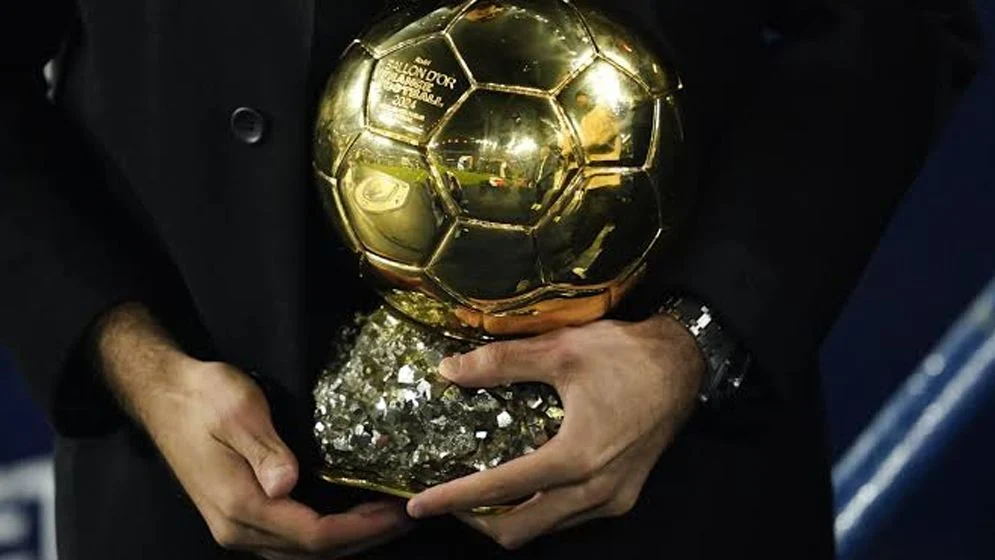
As the contest for the Ballon d’Or grows more heated, one question keeps coming up: what actually counts for most in choosing the world’s best footballer? Are goals, assists and individual performance the final word, or do the trophies won with a team also play a large part?
In practice, no single set of numbers is the decisive factor in winning the Ballon d’Or. Alongside individual performance, team success, the player’s contribution to that success, their conduct on the pitch and fair play are all taken into account.
Ahead of the 2026 Ballon d’Or there is therefore a great deal of discussion around stars such as Lamine Yamal, Kylian Mbappe, Harry Kane, Lionel Messi and Rodri. Who finally wins the award, however, is settled through a specific voting process.
How the winner is picked
The Ballon d’Or is organised by France Football, with UEFA joining as co-organiser from 2024. A shortlist of 30 footballers is published first. One specialist journalist from each of the top 100 countries in the FIFA rankings then gets to vote.
Each voter picks their ten favoured players from the list of 30, in order. Points are then awarded according to position: 15 points for a first choice, 12 for second, 10 for third, eight for fourth, seven for fifth, five for sixth, four for seventh, three for eighth, two for ninth and one for tenth.
Once the points from all voters are added up, whoever has the highest score wins the Ballon d’Or.
If two or more players finish level on points, the first tiebreak is who has the most first-choice votes. If they are still level, second-choice votes are considered, then third choices and so on down the order until a winner is determined.
What counts most
Three things carry most weight in the Ballon d’Or assessment.
Individual performance: how much impact a player had on the pitch, and how important and exceptional their performance was, is one of the principal measures. Goals, assists and overall skill all come into consideration here.
Team success: what a player has achieved for club and country matters too. Winning trophies alone is not enough, though; how much the player personally contributed to that success is also weighed.
Class and fair play: a player’s conduct on the pitch, their sportsmanship and their fair play form part of the assessment as well. A footballer’s overall behaviour can therefore influence the Ballon d’Or vote.
The contest for the Ballon d’Or is not settled by goal tallies or trophy counts alone. Voters choose their player on a combined assessment of individual skill, contribution to the team’s success and conduct on the field.