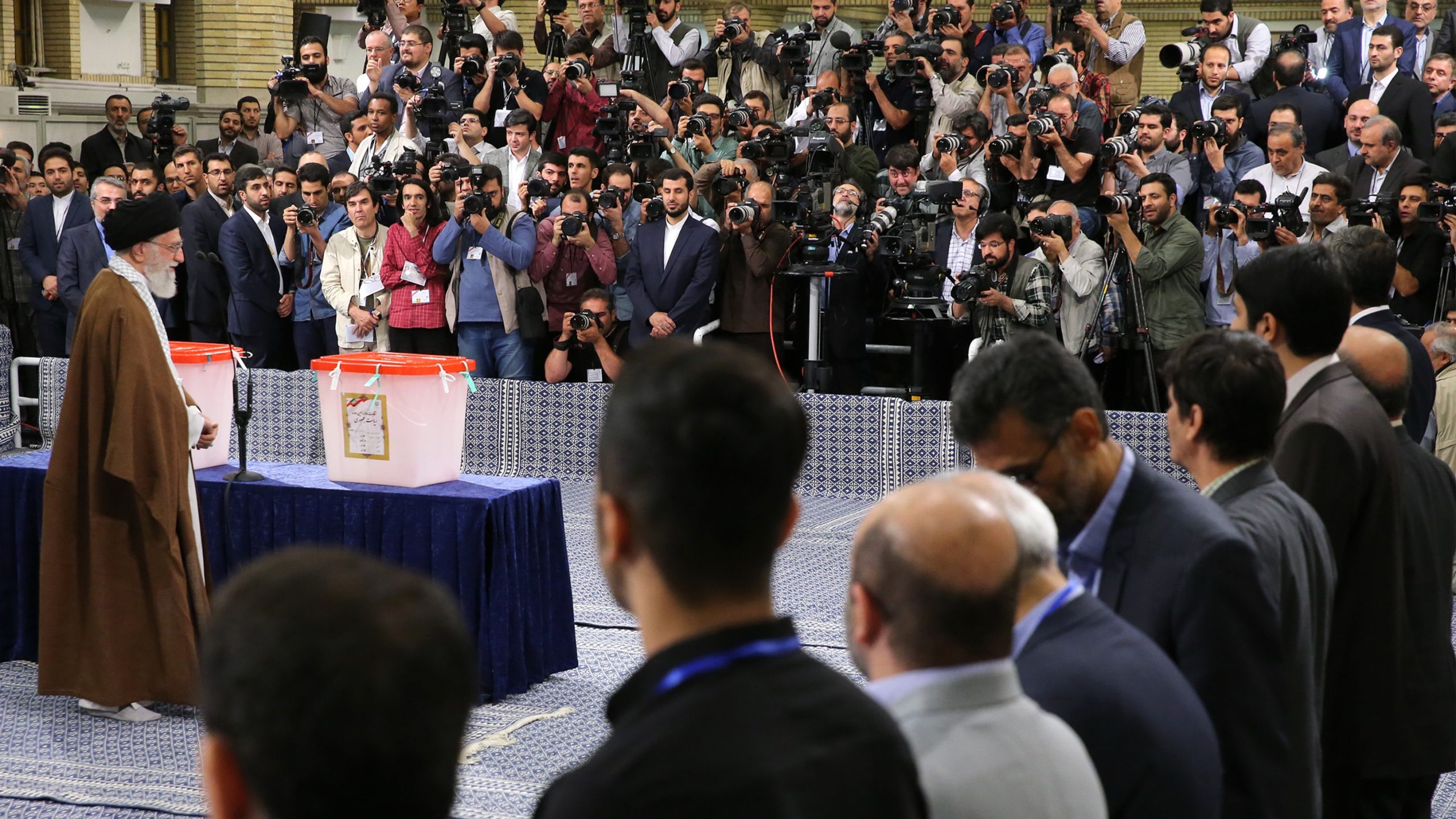
Six-day funeral and burial proceedings are underway across five cities in Iran and Iraq for Ayatollah Ali Khamenei, Iran’s former supreme leader who was killed four months ago in a joint US-Israeli strike. Tehran expects 10 to 20 million people to participate in the ceremonies.
In his autobiography “Cell Number 14,” Khamenei chronicled key moments of his life.
Khamenei began his career as an imam at the small Imam Hasan Mosque, located in a narrow alley in Mashhad. He later moved to the larger and more prominent Keramat Mosque, which became a gathering place for students, businessmen, and various social groups. However, authorities alarmed by his growing popularity barred him from leading prayers there.
Three months after being banned from Keramat Mosque, he returned to Imam Hasan Mosque, where he delivered talks every Saturday after Maghrib prayers.
Around 1966, while in Tehran, he led congregational prayers and delivered sermons at a mosque then under construction, later known as Amirul Muminin Mosque.
During exile, Khamenei served as imam at Al-Rasul Mosque, the only Shia mosque in Iranshahr, where he delivered popular and educational talks after prayers.
While imprisoned at a military prison in Mashhad, he led fellow inmates in congregational prayers. Prison guards, observing his influence, eventually banned him from leading prayers and speaking with other prisoners.
বাংলায় মূল প্রতিবেদন পড়ুন · Read the original Bengali report