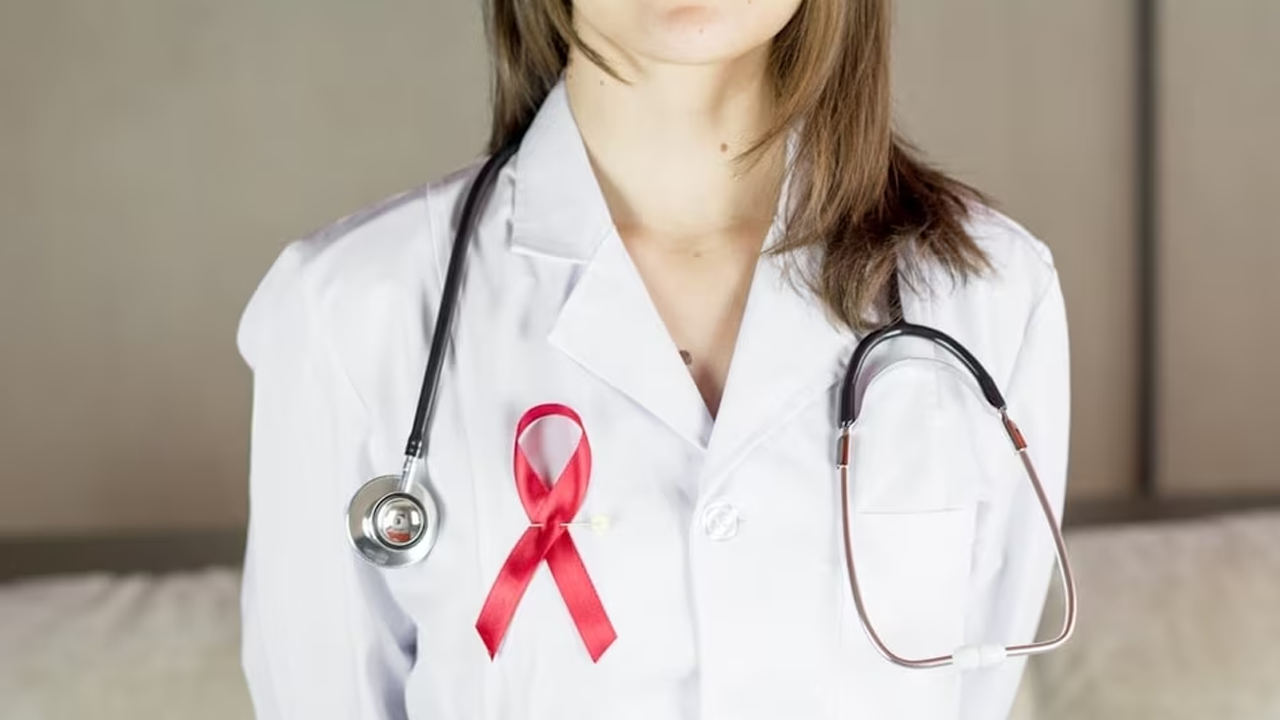
Information is abundant in the digital age, but distinguishing fact from rumor can be difficult. Health misinformation spread on social media can create unnecessary fear and anxiety, including long-standing misconceptions about breast cancer.
In a recent Hindustan Times report, oncologist and surgeon Dr Kristine Lai addressed several common breast cancer myths. Fear does not prevent cancer, she said, while accurate, evidence-based knowledge can improve awareness. Lai urged people to rely on scientific evidence rather than accepting online claims without scrutiny.
Below are eight misconceptions about breast cancer discussed by Lai and the evidence she presented.
1. Can wearing a bra cause cancer?
Some women believe that wearing a bra for long periods, particularly an underwire bra or a bra worn while sleeping, increases cancer risk. Lai said there was no scientific link between bras and cancer. Cancer Australia also does not list bra use as a risk factor.
2. Coffee and breast pain
Some people believe coffee increases breast cancer risk. Caffeine can make some women’s breasts feel tender or lumpy, but Lai said this was generally related to hormonal changes rather than cancer. There is no need to stop drinking coffee solely out of fear that it causes cancer, she said.
3. Does sugar feed cancer?
A widespread online myth says sugar nourishes cancer. Lai said every cell in the body depends on glucose. Eliminating sugar alone cannot destroy cancer cells and would also affect healthy cells. People should not be needlessly alarmed about carbohydrates or sugar, she said.
4. Effects of soy foods
Although some people believe soybeans, tofu or soy milk increase breast cancer risk, current medical evidence does not support that conclusion. The phytoestrogens in soy do not act in the same way as the body’s natural estrogen, and some studies have associated soy with health benefits.
5. Breast size and cancer risk
Some people believe larger breasts carry a higher cancer risk. Lai said risk did not depend on breast size, which is simply a physical characteristic.
6. Injury and cancer
A fall or pressure from a seat belt can cause concern when it injures a breast. Lai said an injury could temporarily produce a treatable lump, but there was no evidence that such trauma turned into cancer.
7. Abortion or miscarriage
A study of about 83,000 women in 16 countries found no association between abortion or miscarriage and breast cancer. Lai described the supposed link as a misconception that only increases emotional stress.
8. IVF and fertility treatment
Some people believe hormones used in in vitro fertilization increase breast cancer risk. Lai said no conclusive evidence had established such a link, and people considering IVF should not be alarmed by the claim.
Conclusion
“My goal is to remove fear from women’s minds, not increase it,” Lai said. Anyone with health concerns should consult a medical specialist and receive regular checkups instead of relying on confusing social-media claims.
বাংলায় মূল প্রতিবেদন পড়ুন · Read the original Bengali report