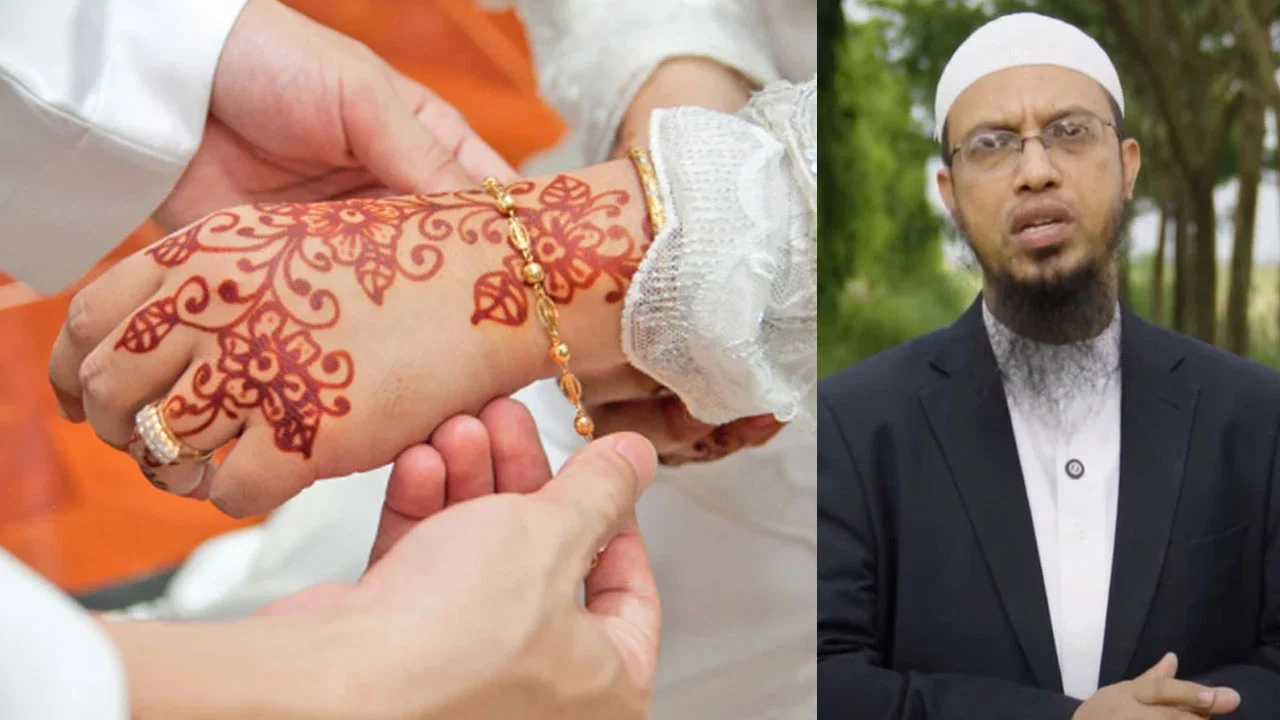
Maintaining ties of kinship means keeping in touch with those to whom we are related by blood or marriage, treating them well, standing by them in trouble and helping them as one is able. Islam places great importance on maintaining kinship ties; various verses of the Qur’an command it and condemn those who sever such ties.
Maintaining kinship ties is a basic trait of a believer. Describing the traits of wise believers, Allah says: “And those who join that which Allah has ordered to be joined and fear their Lord and are afraid of the evil of the account” (Surah Ra’d: 21). In a video, Islamic scholar Shaykh Ahmadullah, chairman of the As-Sunnah Foundation, described three classes of relatives.
First-class relatives: This class comprises relatives on the father’s side, who have the highest priority — father, uncle, grandfather, aunt, brother, sister, children and mother.
Second-class relatives: Those who are blood relatives but do not directly share in inheritance — maternal uncle, maternal grandfather, maternal grandmother and maternal aunt. Since a mother’s blood runs in your body, you have a blood tie with your mother’s brothers and sisters.
Third-class relatives: This class covers in-laws, or kinship formed through marriage, with whom there is usually no direct blood relationship.
বাংলায় মূল প্রতিবেদন পড়ুন · Read the original Bengali report