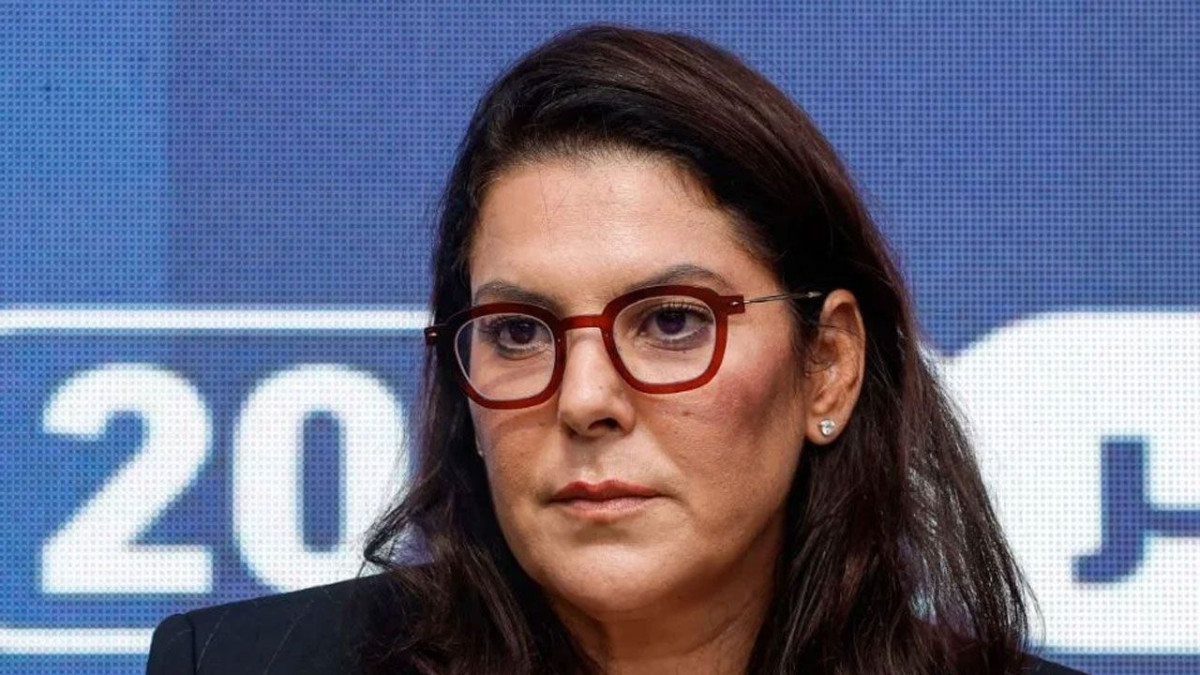
Morocco’s King Mohammed VI on Tuesday (September 29) appointed Marrakesh mayor Fatima Zahra El Mansouri as the country’s first woman prime minister. The royal cabinet made the announcement after her party won last week’s parliamentary elections.
El Mansouri’s centre-right Authenticity and Modernity Party (PAM) won the most seats, 97 in the 395-member House of Representatives, 31 more than its nearest rival. But the election saw the lowest turnout in two decades.
The royal cabinet said the king had tasked the 50-year-old, a former housing minister, with “forming a new government”.
In a televised address soon after her appointment, El Mansouri called it “truly historic”. “For the first time in our country’s history, a woman is taking charge of the government. This is a source of pride not only for me but for all Moroccan women,” she said.
Lacking an absolute majority, the PAM will have to form a coalition government with other parties, though the king still holds wide powers on major policy matters. “The work starts today. We will first begin discussions within our party, and then with all political parties,” the new prime minister said.
El Mansouri joined the PAM in 2008, the year it was founded by Fouad Ali El Himma, now a royal adviser, as a counterweight to the country’s Islamist movement. In 2009 she became the first woman elected mayor of Marrakesh, lost the post six years later and was elected mayor again in 2021.
Her government faces several urgent problems, including unemployment, the rising cost of living and long-standing social inequalities that hit young people especially hard.
The election came weeks after thousands of mostly young Moroccan migrants suddenly crossed into the Spanish enclave of Ceuta, a crisis that highlighted young people’s socio-economic frustration. A year earlier, a Gen Z protest movement took to the streets demanding better healthcare and education.
“We are fully aware that this period will be crucial and that Moroccans, especially young people, will have high expectations,” El Mansouri said. “That is why we will adopt a programme that offers realistic and effective solutions to citizens’ concerns.” The PAM has promised average annual economic growth of 5 percent, inflation of 2 percent and at least one million new jobs over its five-year term.
The National Rally of Independents (RNI), which led the outgoing coalition government, came second with 66 seats. The right-wing Istiqlal Party was third with 65 seats, and the Islamist opposition Justice and Development Party (PJD) won 54.
The PJD made significant gains after winning only 13 seats in 2021, having made fighting corruption a central plank of its campaign. Its leader, former prime minister Abdelilah Benkirane, called the result a “victory” but ruled out joining a PAM-led coalition, claiming without giving details that the PAM was “tainted by fraud”.
বাংলায় মূল প্রতিবেদন পড়ুন · Read the original Bengali report