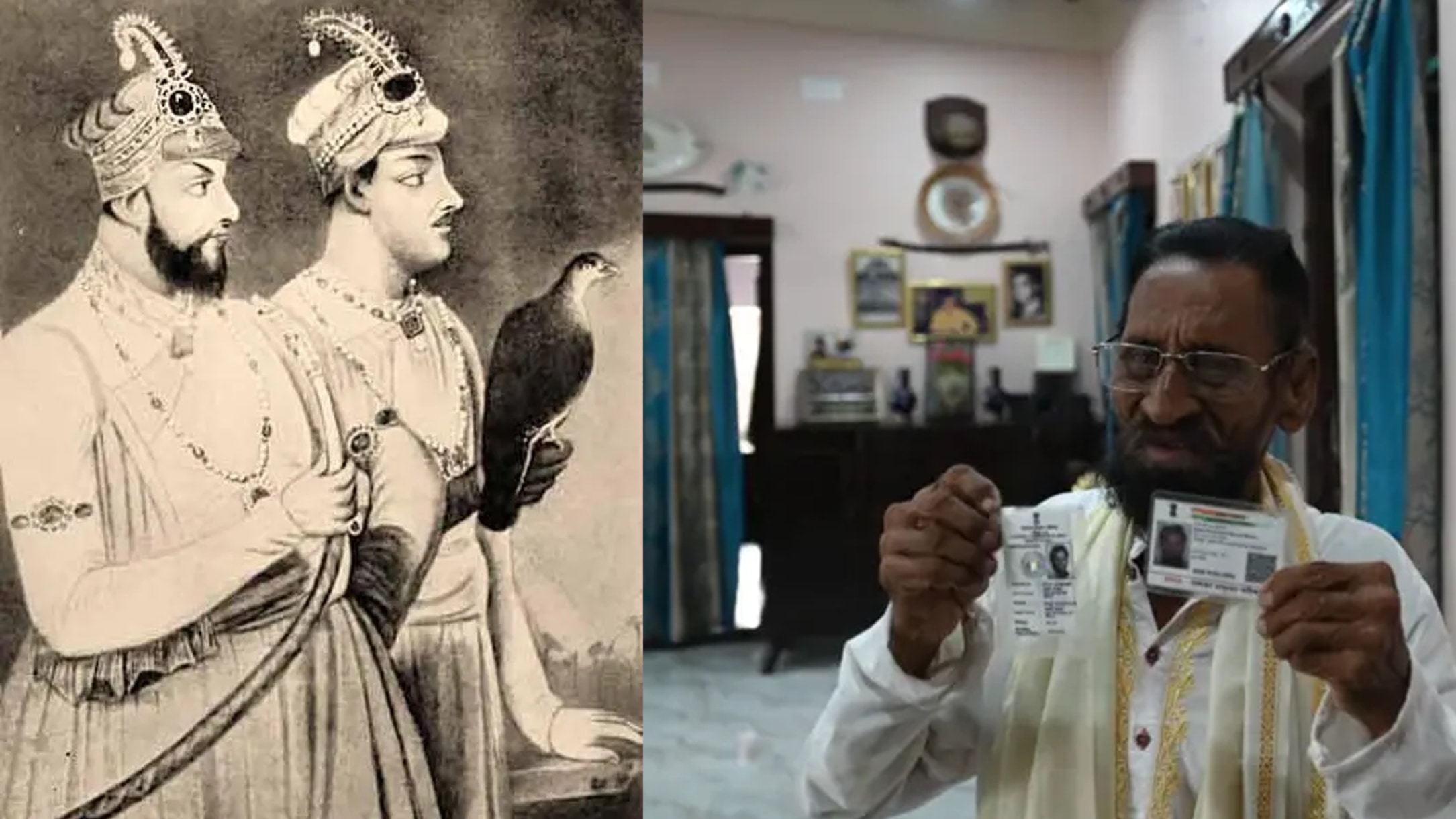
MURSHIDABAD — Syed Mohammad Reza Ali Mirza, a descendant of Nawab Mir Jafar known as the “Chhote Nawab,” along with his son Syed Mohammad Fahim Ali Mirza and 344 other members of the family — 346 people in all — were unable to cast votes in the West Bengal assembly election. Their names were removed from the electoral roll, denying them the right to vote in the election that began Thursday, April 23.
In a city whose history, architecture, and heritage carry their ancestors’ names in every brick, the descendants of Nawab Mir Jafar were excluded from the voting process. Although they were initially under consideration, when the electoral roll was published their names did not appear.
Mohammad Reza Ali Mirza is the 15th-generation descendant of Mir Jafar. Known in Murshidabad as the “Chhote Nawab,” he still lives with his family near the Ghanta Ghar in the Killa Nizamat area. His son, Syed Mohammad Fahim Mirza, the 16th-generation descendant of the nawab, lives in the same house.
He is the Trinamool Congress councillor for Ward No. 10 of the Murshidabad municipality. His name has also been removed from the electoral roll. The Nawab family has about 3,000 members in the area, of whom about 2,000 are voters. From this year’s roll, 346 names have been dropped.
Asked whether he would go to vote, Reza Ali Mirza said, “No, I am not going. Should I get beaten? I thought I would file a request to vote at the polling booth. But then I thought, if there is any disturbance, the entire blame would fall on me. Thinking all this, I did not go. At this age I am facing such a situation for the first time in my life. I feel very bad. Was this what I deserved?”
He added: “From Hazarduari Palace to other nawabi structures in Murshidabad, all were built by our ancestors. Yet our names have been struck from the electoral roll, and our citizenship itself has been taken away. We are descendants of Nawab Mir Jafar. Syed Wasif Ali Mirza was offered the presidency of Pakistan at the time of India’s independence. But our family has always been Indian. After the country became independent, Murshidabad was part of Pakistan for three days. In the end, through our family’s intervention, Murshidabad was incorporated into India in exchange for Khulna. And this is the plight of those descendants today.”
বাংলায় মূল প্রতিবেদন পড়ুন · Read the original Bengali report