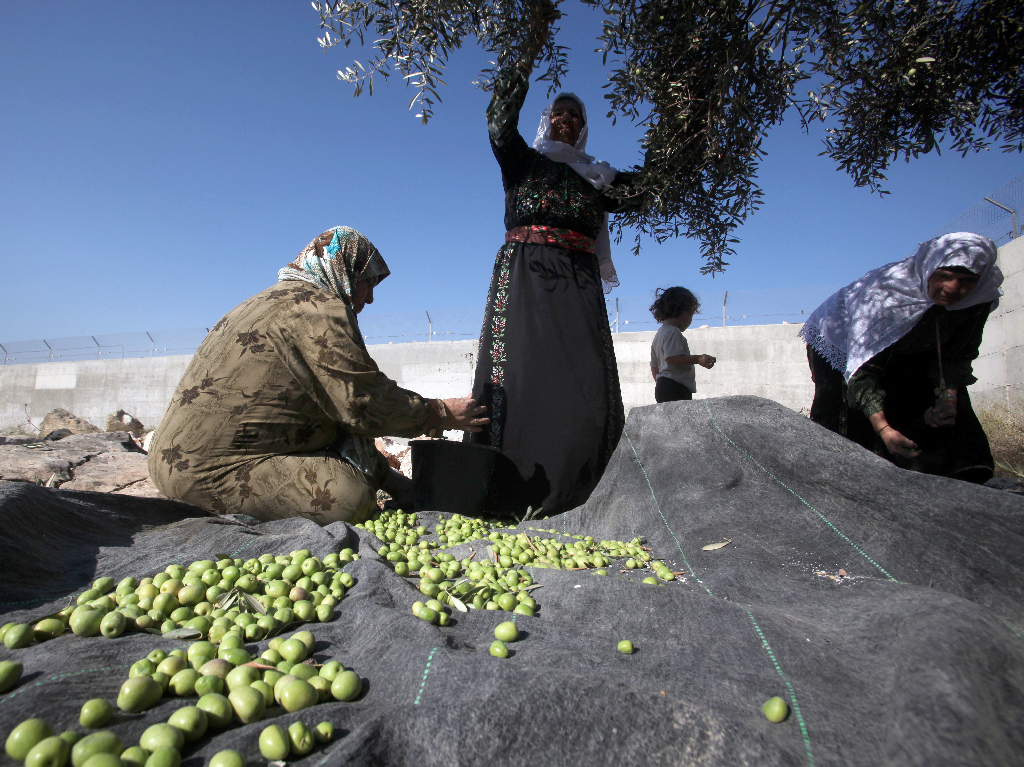
From the Middle East, Europe and the United States to Malaysia, supplies of Palestinian olive oil have fallen significantly in supermarkets around the world. Behind this lie adverse weather, Israeli occupation policy, settler violence and the ongoing unrest in the West Bank. As a result, one of Palestine’s most important agricultural products and export sectors has fallen into severe crisis.
Describing the situation on Sunday (19 July), the Middle East-based outlet The National noted that the family of Kamal Muqarkar, a farmer from Beit Jala south of Jerusalem in the occupied West Bank, has been involved in olive farming for generations, and once ran their household on the income from selling olive oil. But this year, he says, is the worst season since 2009: with too little rain and settler attacks, olive production has fallen by more than 70 percent.
After the Gaza war, many people in the West Bank who once worked in Israel returned to farming for lack of a livelihood, but they are not getting the results they expected there either. Muqarkar said the past two years’ weather had been a “disaster,” and that violence and occupation policy had deepened the crisis. Thirty percent of Muqarkar’s family’s land was lost during the construction of Israel’s separation wall, and with the expansion of nearby Israeli settlements and the establishment of new outposts, many farmers cannot safely reach their own land. During last year’s harvest too, many did not go to pick olives for fear of attacks.
According to Fayad Fayad, chairman of the Palestinian Olive Oil Council, olive-oil production in Palestine last year fell to just 33 percent of the normal average. Only 7,000 tonnes were produced, while the West Bank’s domestic market alone needs at least 13,000 tonnes, leaving virtually no surplus for export. In normal times, Palestine exports about 4,000 tonnes of olive oil to Gulf countries, 1,000 tonnes to Jordan and another 2,000 tonnes to other countries, but this time those exports have almost come to a standstill.
Fayad said olive oil provides about 15 percent of the total income of Palestine’s agricultural sector. About 70,000 olive-grove owners, and about 30,000 more families involved in transport, processing, marketing and other work, depend on the sector — meaning the livelihoods of about one lakh families are tied directly or indirectly to olive oil. He said that last season, for about 20 percent of the time, farmers could not enter their own land because of Israeli settler violence or obstruction, and that more than 31,000 acres of land, close to Israeli settlements, are effectively out of reach of their Palestinian owners. But good rainfall this year has created some optimism among farmers, who expect a good harvest in the new season starting in October — though, they say, even with favourable weather that hope will not be realised if violence and obstruction of access to land continue.
বাংলায় মূল প্রতিবেদন পড়ুন · Read the original Bengali report