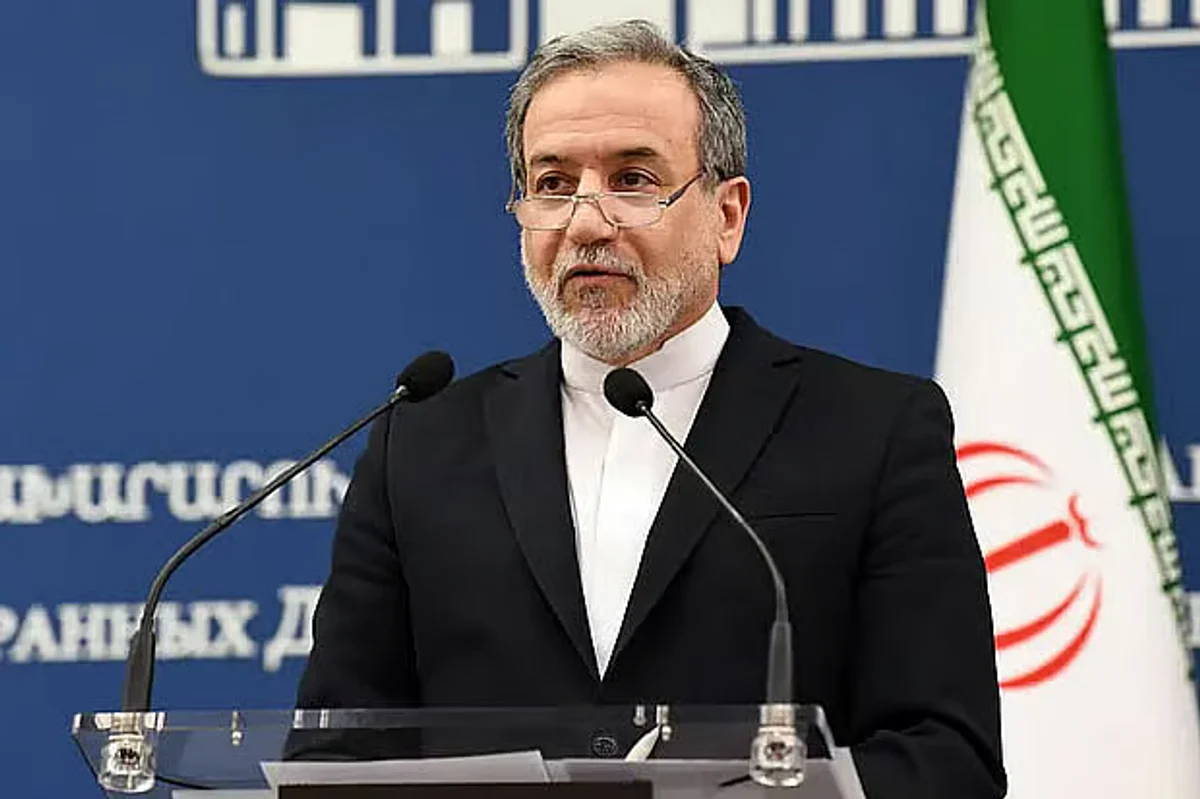
Iranian Foreign Minister Abbas Araghchi has spoken about the dangers his negotiating team has had to work under throughout the peace talks with the United States. Araghchi leads the Iranian delegation negotiating with Washington to end the war.
Recalling a conversation with Steve Witkoff — the Middle East envoy of US President Donald Trump, who leads the American delegation — Araghchi said: “I told Witkoff that the threats from the United States and Israel created a hostile environment for Tehran’s negotiators.” He made the remarks in an interview with Mehr News Agency.
Recalling that exchange, Araghchi added: “I asked Witkoff, have you ever been in a meeting where at every moment you felt the entire meeting could be bombed? While speaking on the phone, were you ever in a state where you felt you could be blown up or destroyed, as they say? When checking on your family by phone, did you ever think this might be the last time you speak with them?”
Araghchi said that despite the continuing threats, Tehran refused to back down. “We resisted the illegal and unreasonable demand for zero-level uranium enrichment and stood firm in our position,” he said. “When they saw they could not achieve their aim through negotiations, they started the war.”
Addressing his adversaries, Araghchi said: “You must negotiate. We cannot be threatened, and we cannot be swayed by bribes or inducements.”
The minister said the United States first contacted Tehran about nuclear talks last year, and that contact had continued intermittently since. Araghchi claimed that Tehran’s firm posture at the negotiating table was what pushed the United States and Israel toward a harder course. He insisted that they had been defeated in the 12-day war and that Iran does not fear US threats, rejecting Washington’s claim that military pressure could force Iran to submit.
Referring to the United States’ detention of President Nicolás Maduro in a military operation last January that brought about a change of government in Venezuela, Araghchi stressed that Tehran does not operate under a single power structure, so removing one leader would not cause the Islamic Republic to collapse. “This is not Venezuela, where if you seize one person the rest will be frightened and retreat,” he said, adding that decision-making in Tehran is divided across multiple levels under a unified leadership.
The Iranian minister made the comments as the ceasefire mediated between Washington and Tehran has effectively broken down. On Monday, US forces struck Iran for a ninth consecutive day. US Central Command (CENTCOM) confirmed that three American soldiers had been killed in the renewed conflict. Concern has further grown over shipping through the Strait of Hormuz.
বাংলায় মূল প্রতিবেদন পড়ুন · Read the original Bengali report