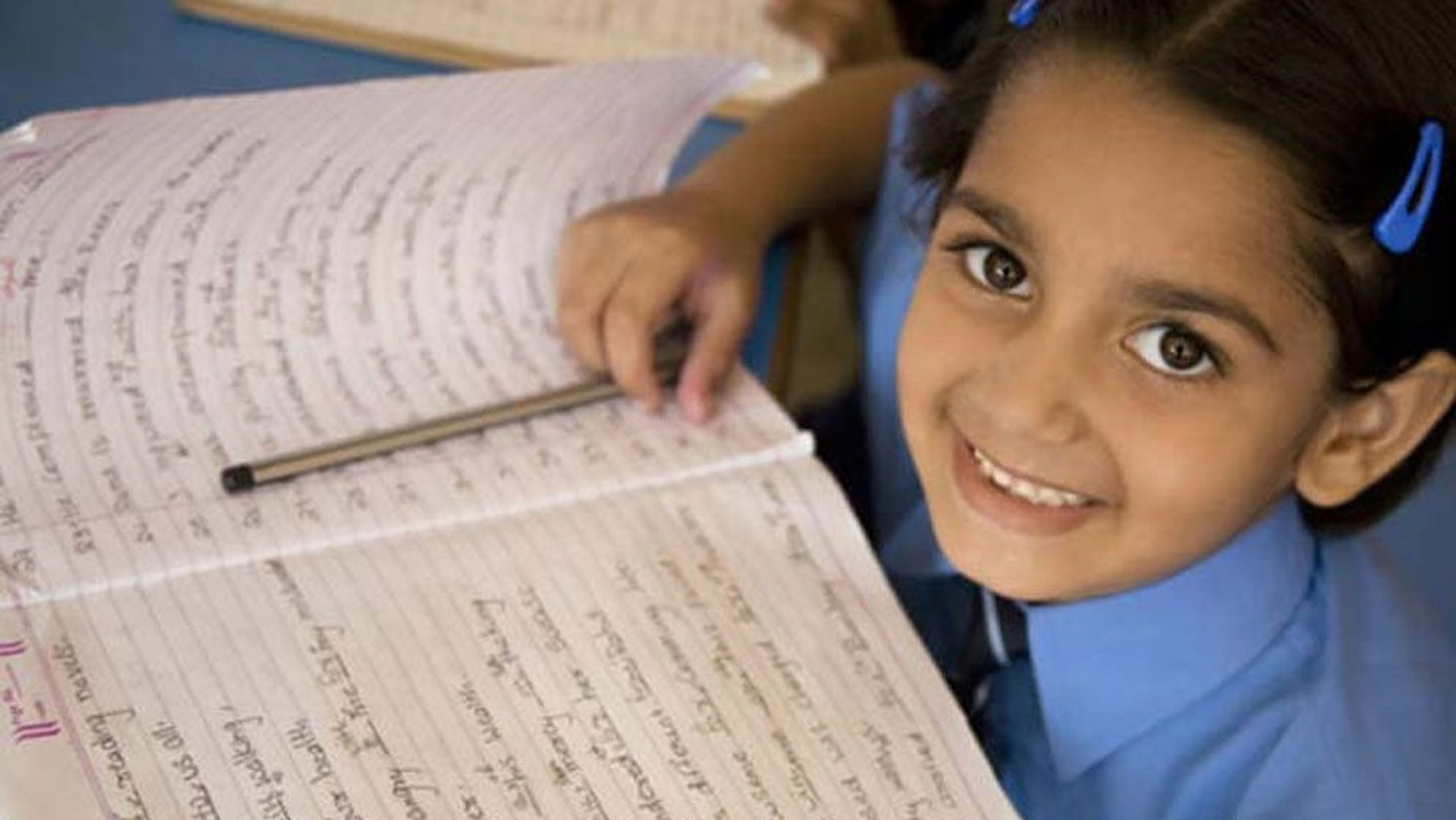
Today’s child is the real wealth of tomorrow’s country and nation. They are, in essence, the makers of the country and the nation. The birth of a child brings not merely a new member into a family; a new possibility is born for a nation.
The child in the mother’s arms today may tomorrow be a scholar, a teacher, a scientist, a judge, a doctor, an entrepreneur, a writer, a politician, a journalist, an intellectual, a member of parliament or a minister, the head of a government or a state, or a good citizen of fine human character devoted to the welfare of the country and the nation.
Ensuring children’s right to grow up in a safe, healthy and dignified environment is therefore not only a family responsibility; it is the moral and constitutional duty of the state, of society and of the whole of human society.
The reality, however, is that as in many countries of the world, countless children in Bangladesh are still subjected to physical, mental, social and emotional abuse. Abuse is not confined to children of poor families; children face various kinds of violence in wealthy families, in educational institutions, in religious institutions, in the workplace and even in the digital world.
It is a matter of deep regret that in many cases an attempt is visible to legitimise the abuse of children in the name of “discipline,” “education” or “order.” This mentality must change. Otherwise the bright future of these innocent and promising children may become uncertain.
There is a fundamental difference between discipline and abuse
Raising a child to be an honest, disciplined and responsible person is the foremost duty of every guardian. In the same way the role of respected teachers in forming their character and raising them to be true human beings is beyond doubt immense.
They will discipline children as necessary to raise them as good citizens. But humiliating, belittling, physically and mentally abusing or intimidating them in the name of discipline is in no way acceptable.
The purpose of discipline is to correct mistakes, to give moral instruction and to build self-control. The result of abuse, by contrast, is fear, humiliation, a loss of self-confidence and mental injury.
If a child learns to fear a guardian or teacher rather than respect them, the environment favourable to learning is destroyed. Fear may produce temporary obedience, but it can never play a positive part in forming a healthy personality.
Mental abuse is silent but the wound is very deep
In our society physical injury is identified as abuse, but mental abuse is given little importance. In some cases it is neglected.
The frequent use of phrases such as “you will never be able to do anything,” “you are not like the others,” “you are our shame” and “you are useless and idle” can create deep wounds in a child’s mind.
Humiliating a child in front of others, comparing them with a sibling or classmate, depriving them of love, disregarding a child’s opinion or presenting each of their mistakes as a failure of character — these behaviours are seriously harmful in the long term to a child’s self-respect and mental health.
Many adults still cannot forget the humiliating words they heard in childhood. The wound of a physical injury heals in time, but a mental injury sometimes has to be carried for a whole lifetime.
The negative effect of abuse on a child’s brain development
The period of fastest development of the human brain is childhood. At this time safety, love and positive relationships build the foundation of a child’s mental development.
Growing up over a long period in an environment of fear, humiliation and violence, on the other hand, can damage a child’s capacity to learn, their concentration, emotional control, social relationships and capacity for decision-making. That can have a negative effect on their education, their working life and their family life.
The teaching of Islam: mercy, love and dignity
The central teaching of Islam is mercy, justice and humanity. The Prophet Muhammad, peace be upon him, set an example of extraordinary affection, love, patience and gentleness towards children.
He greeted children with salaam, played with them, took them in his arms and showed respect for their feelings. He said: “He who does not show mercy to our young and does not honour our elders is not one of us.” (Jami at-Tirmidhi)
In the Holy Quran too, Allah has commanded justice, mercy and good conduct. Cruelty towards children is therefore in no way consistent with the moral ideals of Islam.
Law and morality must go together
Framing proper laws is essential for the protection of children. Creating awareness of the law and carrying out justice as swiftly as possible are equally important.
Where cases of child abuse are hushed up, offenders are emboldened and victims are deprived of justice. The family, the school, society and the state must all adopt a policy of “zero tolerance” in protecting children.
Let educational institutions be a safe refuge
Educational institutions must be places where children learn with joy and enthusiasm, ask questions and find the opportunity to develop the talent and possibility latent within them. If a teacher’s hand holds fear, humiliation or violence, education loses its humane purpose.
Teachers must be developed not merely as instructors but as guides and builders of character. Positive discipline, empathy and just conduct are the real foundation of education.
New challenges in the digital age
Children today are growing up in the digital world alongside the real one. Cyberbullying, online harassment, the misuse of personal information and humiliation on social media are modern forms of mental abuse. Ensuring children’s digital safety is therefore also a demand of the times.
What society must do
A social movement needs to be built to prevent child abuse. For that:
The practice of non-violent and positive parenting in the family.
Strict implementation of child protection policies in educational institutions.
A safe system for children to report complaints.
Training for teachers, guardians and religious leaders.
Making mental health care accessible to children.
Raising awareness of children’s rights in the media.
Ensuring that every allegation of abuse is investigated impartially and that legal action is taken.
The real strength of a civilised society lies in the smiles of its children, in their self-confidence and in their safe childhood. Physical or mental abuse of children does not harm one child alone; it harms the boundless possibility of a nation’s future.
We must remember that children are not weak; they are the seeds of possibility. Our duty is not to burn that seed in the fire of violence but to give it the chance to grow in the light and air of love, moral instruction, safety and dignity.
Children must be shown dreams, not fear; seeds of love must be sown in their hearts, not wounds; they must be sheltered with the touch of humanity, not abuse. A safe childhood can lay the foundation of a safe, just and prosperous Bangladesh.
Writer: Md Mukhlesur Rahman, former principal, Jamia Diniya, and founding director, Tamirul Millat Madrasa, Tongi branch.
বাংলায় মূল প্রতিবেদন পড়ুন · Read the original Bengali report