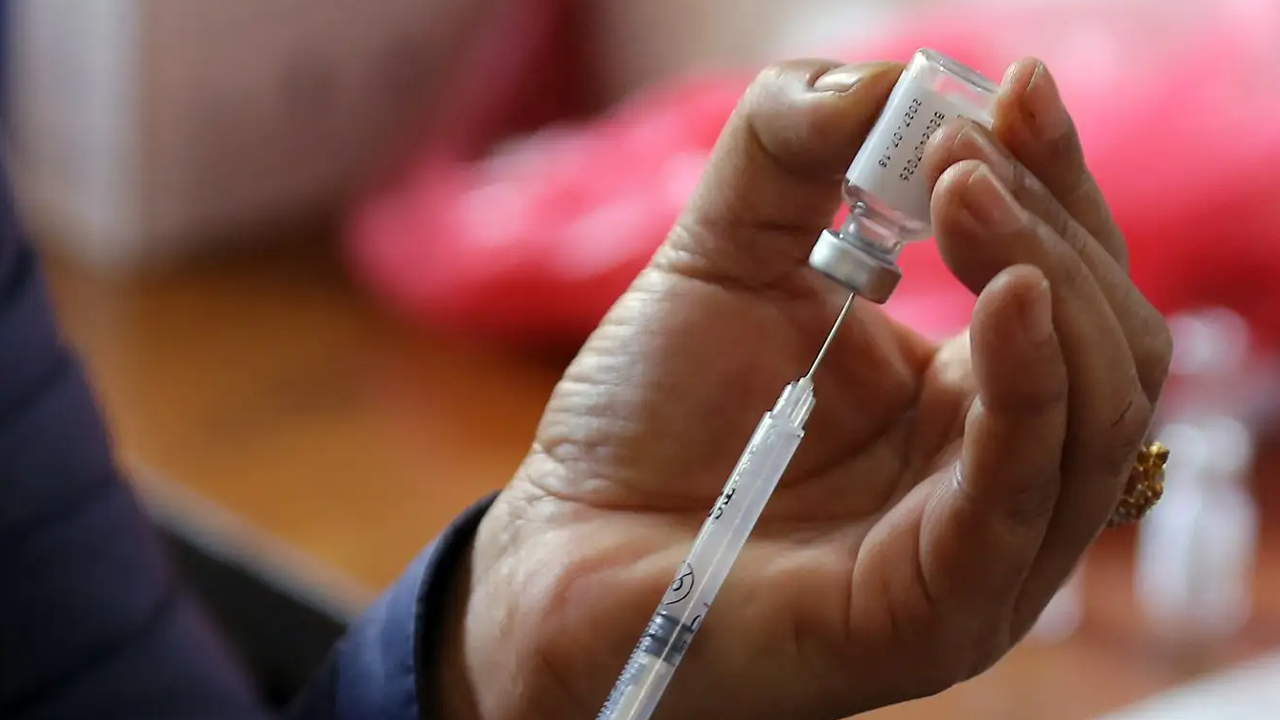
The risk of dying from cervical cancer before age 30 has fallen to almost zero for girls who received the human papillomavirus (HPV) vaccine at age 12 or 13, according to a landmark study.
The study found that cervical cancer death rates have dropped significantly since England introduced the HPV vaccination program for schoolgirls in 2008. Researchers said the vaccine has saved at least 200 lives so far.
Between 2020 and 2024, no deaths from cervical cancer were recorded among women aged 20 to 24, the first time in any five-year period that no deaths have been recorded in this age group, the study found. Without the vaccination program, researchers estimated about 23 deaths would have been expected over the same period.
Cervical cancer is currently the 14th most commonly diagnosed cancer among women in the United Kingdom, with about 3,300 cases each year.
Experts say HPV, a virus spread through close skin contact, is responsible for about 99 percent of cervical cancers. Most infections clear on their own, but in some cases they cause abnormal changes in cells that can develop into cancer many years later.
Cancer Research UK, which funded the study, called the results an incredible milestone. The charity cautioned, however, that vaccination rates in England have not yet reached the desired level.
“We knew the HPV vaccine was highly effective at preventing cervical cancer,” the charity’s chief executive, Michelle Mitchell, said. “Now, for the first time, we have proof that it is directly saving lives.”
Researchers said the current decline in deaths is only the beginning, and that more lives will be saved as the vaccinated generation grows older. The UK government has set a goal of effectively eliminating cervical cancer as a public health problem by 2040.
According to the World Health Organization, meeting that goal requires vaccinating at least 90 percent of girls by age 15. In 2024-25, the rate in England was 76 percent.
Experts say young people who have not yet been vaccinated should do so quickly. Boys in England are now also given the HPV vaccine, which reduces the risk of anal, penile, throat and mouth cancers and lowers viral transmission.
Health officials said that alongside the vaccination program, continued routine cervical cancer screening is also very important. Women aged 25 to 64 are advised to undergo regular screening.
বাংলায় মূল প্রতিবেদন পড়ুন · Read the original Bengali report