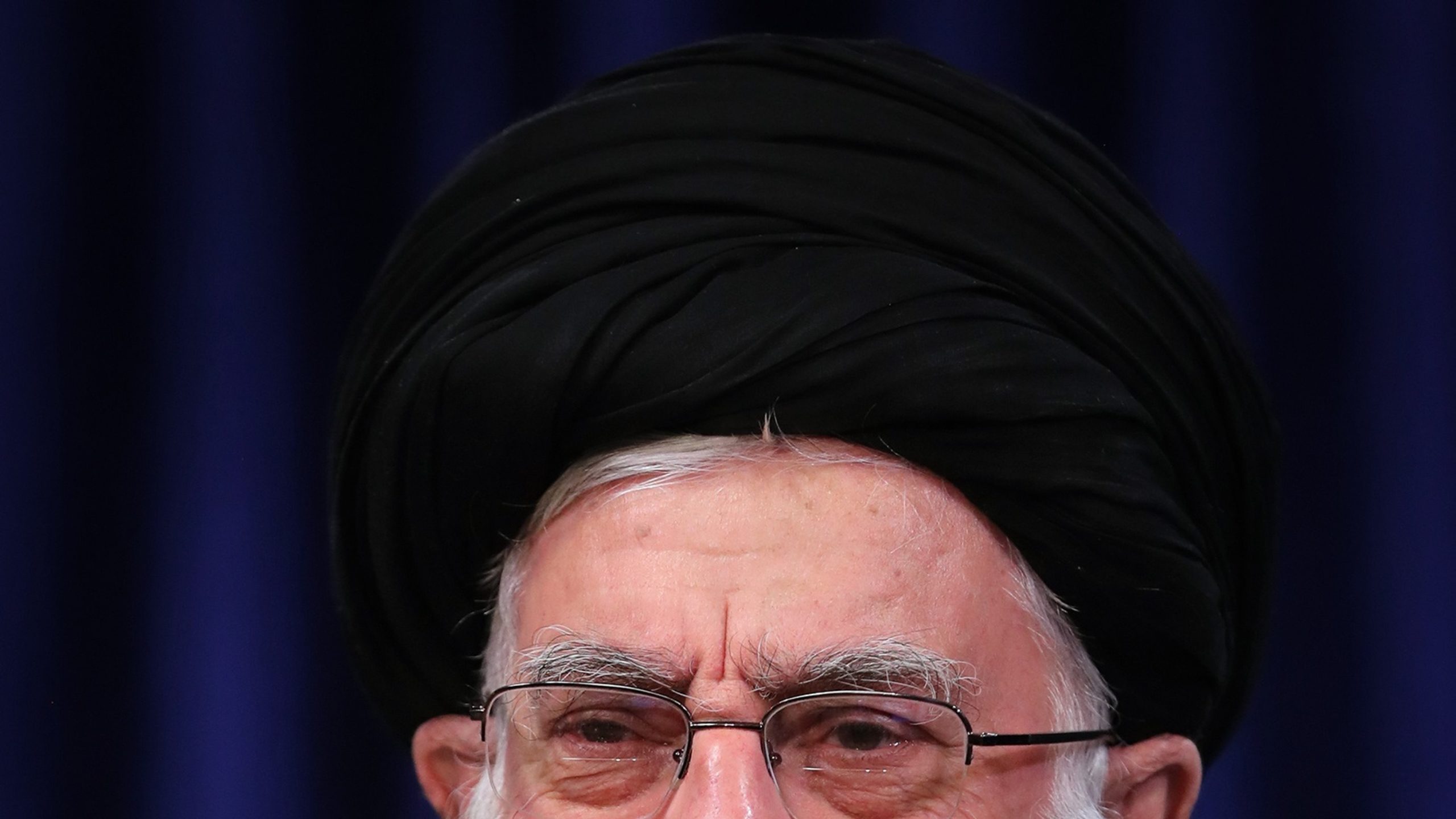
Funeral arrangements are underway for Iran’s longest-serving supreme leader Ayatollah Ali Khamenei. His death is being regarded as the end of a defining era in the country’s political history.
Khamenei assumed the role of supreme leader in 1989, during the post-Iran-Iraq war reconstruction. Under his leadership, the Office of the Supreme Leader established extensive authority over the armed forces, the judiciary, state broadcasting, and key strategic appointments.
During his tenure, the Islamic Revolutionary Guard Corps became one of the most influential forces in Iran’s security, politics, and economy. Iran also significantly expanded its ballistic missile program, citing the need for deterrence against the United States, Israel, and regional rivals.
The nuclear program dispute with the West was among the most consequential issues of his rule. Khamenei repeatedly maintained that Iran was not seeking nuclear weapons, while insisting on the country’s right to enrich uranium for peaceful purposes.
As part of its regional strategy, Iran extended its influence across the Middle East through alliances with allied governments and armed groups. However, the policy deepened tensions with Gulf Arab states, Israel, and the United States.
Rather than weakening the state, Khamenei’s death has become a symbol of unity and solidarity for many Iranians. Alongside nationwide mourning, fresh discussions about future leadership and Iran’s political trajectory have emerged.
বাংলায় মূল প্রতিবেদন পড়ুন · Read the original Bengali report