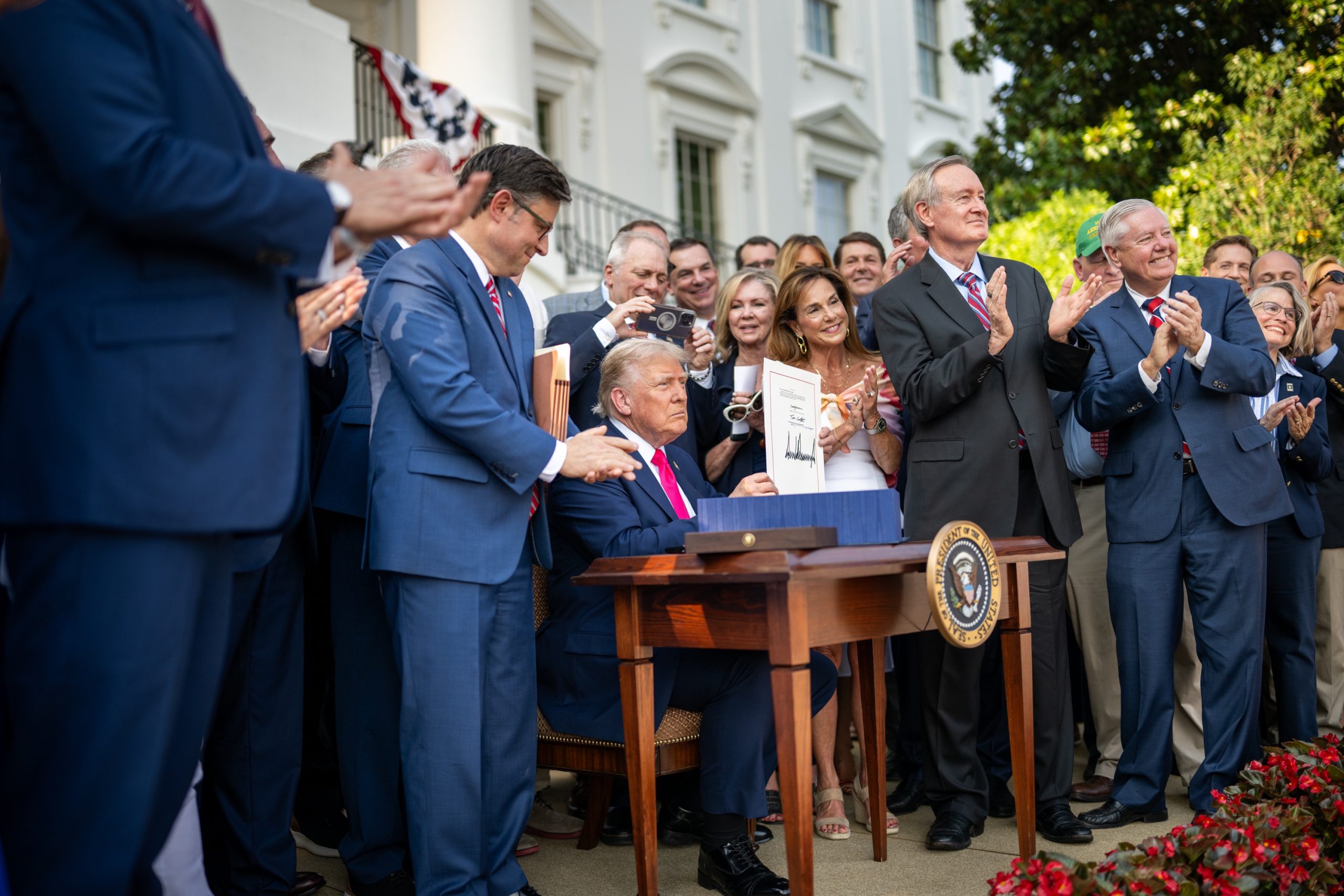
US President Donald Trump has signed into law a measure extending existing American sanctions against Iran by a further five years, keeping them in force until 2031. The same law also creates scope for increasing sanctions, tariffs and other restrictions on Russia.
A White House statement said Trump signed the bill, HR 5334, known as the Lindsey O. Graham Sanctioning Russia and Iran Act of 2026, on Friday. Alongside scope for extending the duration of sanctions, tariffs and various restrictive measures against Russia, it extends the existing sanctions on Iran.
The existing sanctions on Iran had been due to expire this year. Under the new law, the Iran Sanctions Act of 1996 will remain in force for a further five years. As a result, the United States will be able to act until 2031 against foreign nationals and institutions connected with Iran’s energy sector. The law does not, however, impose any fresh sanctions on Iran. Transactions connected with Iran’s energy sector include buying the country’s petroleum, transporting it, financing it, insurance-related business and investment in petroleum projects.
Tehran has described the new and harsher American sanctions as economic terrorism.
China is the largest buyer of Iranian oil. According to US Treasury Department figures, about 90 percent of Iran’s total oil exports go to China. The United States has previously sanctioned oil traders, shipping companies and tanker operators in the United Arab Emirates, Hong Kong and India over their alleged role in selling and transporting Iranian oil.
Under the sanctions, restrictions may be imposed on the assets held in the United States by the individuals or institutions concerned, on their access to American financial institutions and on their ability to transact in dollars.
As a result of the decision, the risk of indirect American sanctions on foreign companies and financial institutions with business ties to Iran will also remain in place for the next five years, until 2031.
The law is named after the Republican senator Lindsey Graham, who died in July. He was a forceful supporter and advocate of the Iran war begun by the United States and Israel and of Israel’s military operation in Gaza, and worked for the passage of this law.